
BPC-157 (Body Protection Compound-157) is a synthetic pentadecapeptide composed of 15 amino acids, derived from a sequence originally isolated from human gastric juice. It demonstrates high chemical stability and has been extensively investigated for its potential cytoprotective, angiogenic, and modulatory roles in molecular pathways related to nitric oxide (NO) and vascular endothelial growth factor (VEGF). Experimental studies indicate possible effects on endothelial integrity, connective tissue reorganization, and regulation of the inflammatory response.
TB-500 is the functional synthetic fragment of Thymosin Beta-4, an endogenous peptide widely distributed in human tissues. Its primary investigated action involves the regulation of actin dynamics (G-actin), thereby promoting cell migration, cytoskeletal reorganization, and cellular differentiation processes during tissue repair. It has also been associated with promoting angiogenesis and modulating inflammatory and fibrotic processes in experimental models.
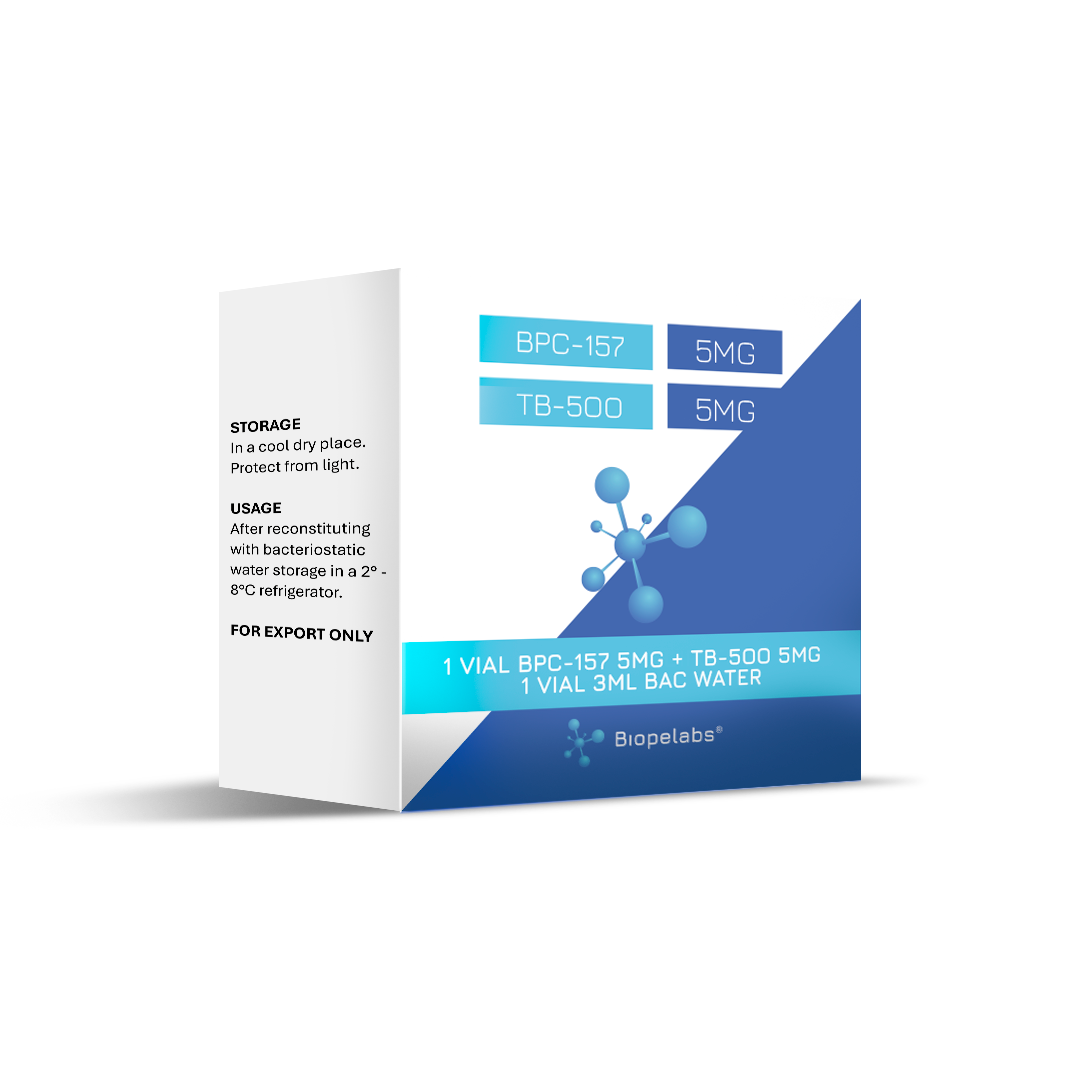
The 5 mg + 5 mg dosage association maintains the same molecular basis as combinations at higher concentrations, differing only in the quantitative amount of active substance per unit, with no change in the peptides’ chemical structure. The formulation remains classified as experimental and is intended exclusively for scientific research.
Important Information
| Properties | Value |
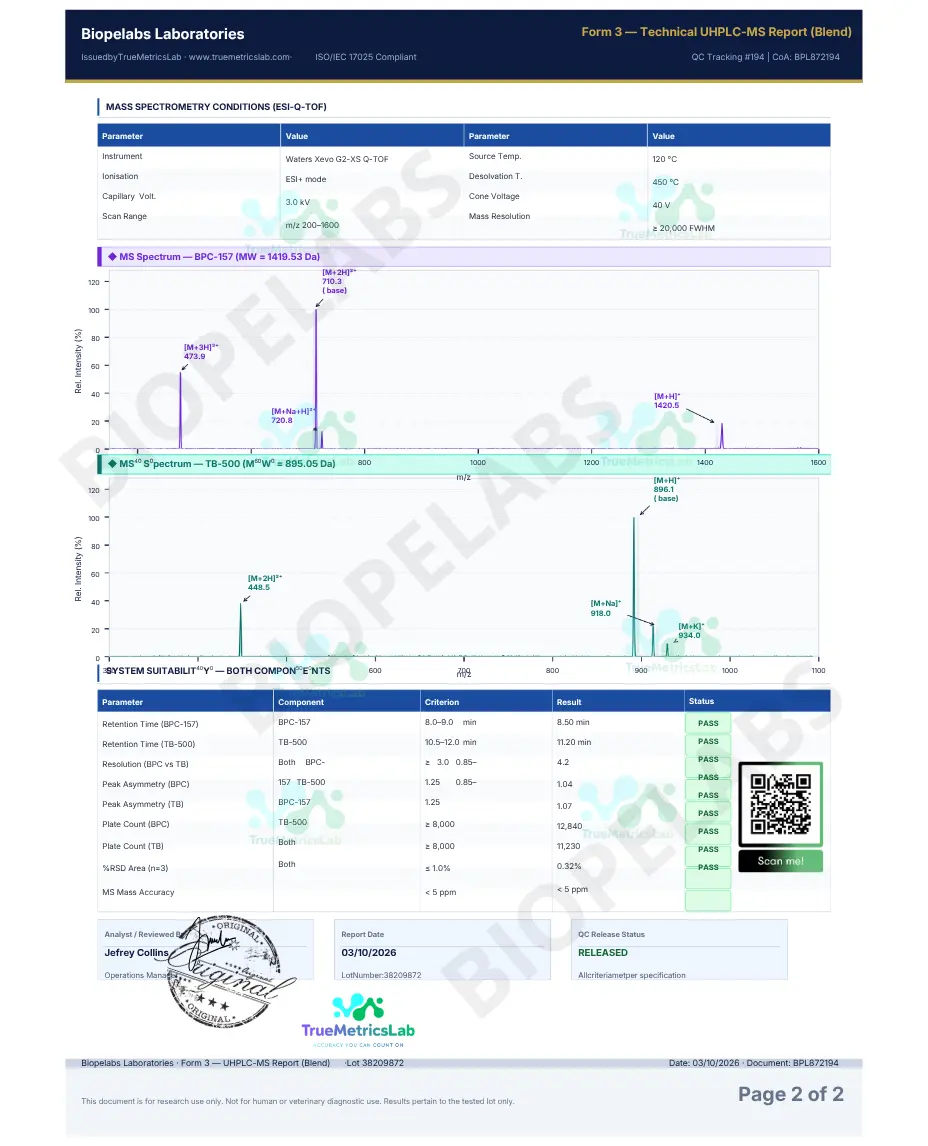
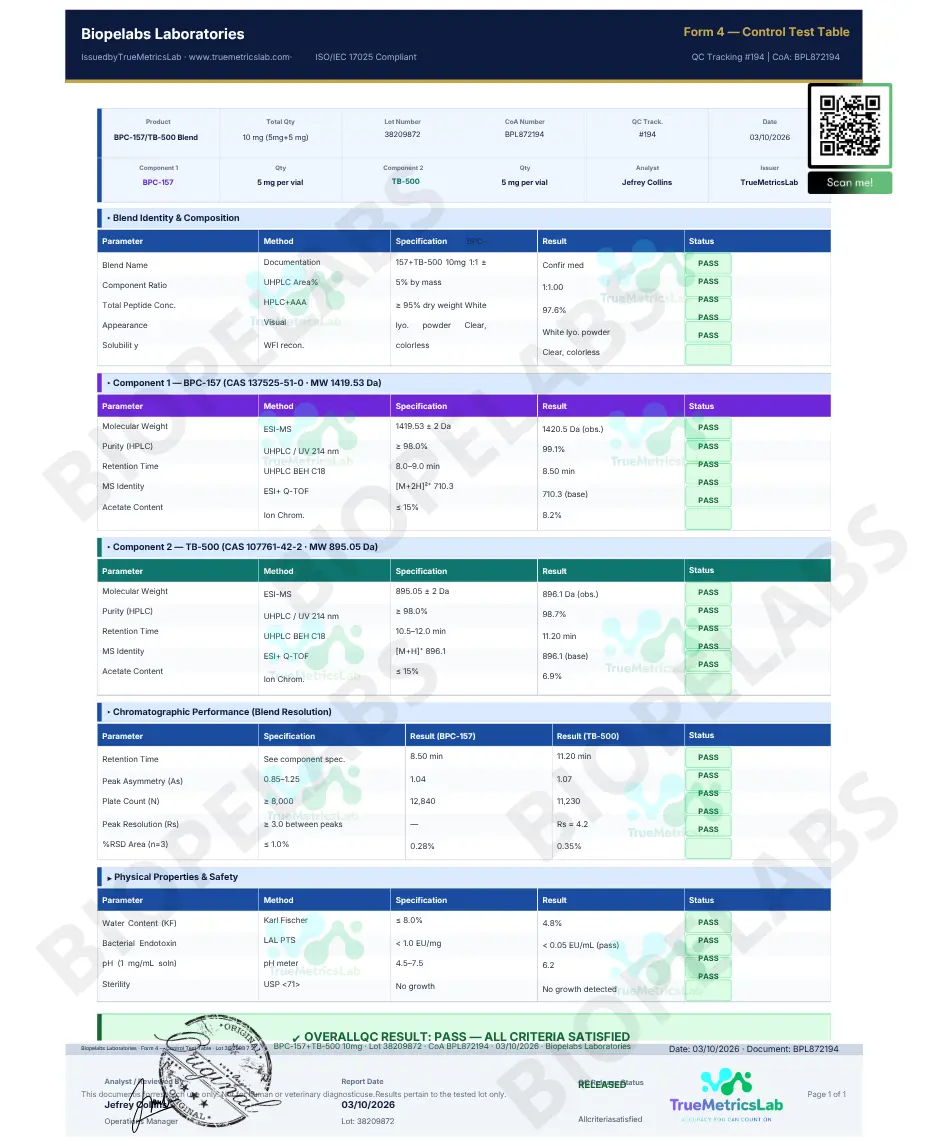
| Molecular Formula | BPC-157: C₆₂H₉₈N₁₆O₂₂ TB-500 (active fragment of Thymosin Beta-4): C₂₁₂H₃₅₀N₅₆O₇₈S |
| Molecular Weight | BPC-157: approximately 1419.6 g/mol TB-500: approximately 4963.5 g/mol |
| Synonyms | BPC-157 is also referred to as Pentadecapeptide BPC, Body Protection Compound-157, PL-14736. TB-500 is referred to as synthetic Thymosin Beta-4, Thymosin Beta-4 active fragment, synthetic Tβ4. |
Observed Scientific Findings
Preclinical studies involving BPC-157 have demonstrated accelerated repair of tendons and ligaments in animal models, increased neovascularization, reduced inflammatory markers, and a possible protective effect on the gastrointestinal mucosa and muscle tissue. Experimental evidence also suggests support for peripheral nerve regeneration.
Research on Thymosin Beta-4 and its synthetic fragments indicates stimulation of cell migration, promotion of angiogenesis, reduction of fibrosis, and support for cardiac and musculoskeletal repair in animal models. Experimental results also point to improved cutaneous wound healing.
To date, the available data are predominantly derived from in vitro and animal model studies. There are not yet sufficient robust clinical trials to confirm therapeutic efficacy in humans, and the blend therefore remains strictly investigational.
Lyophilized Peptides
The peptides undergo a lyophilization process, a technique that contributes to greater stability and durability, while maintaining purity and molecular structure during storage. It should be noted that no bulking agents are used during this process.
Intended Use
Biopelabs warns: this material is provided exclusively as a chemical input for research. Its use is restricted to in vitro assays and experimental activities in laboratory settings. The information presented is strictly for informational and educational purposes. Handling must be performed only by properly qualified professionals. The product is not classified as a medication, food, or cosmetic, and should not be used, marketed, or described as such.
Product intended exclusively for laboratory research. Not for human use.
Scientific Research on BPC-157 5mg + TB-500 5mg
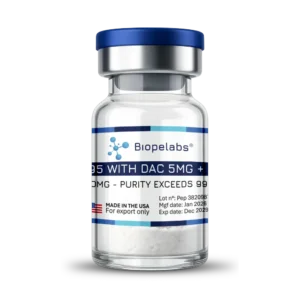
The blend consists of BPC-157 (5 mg), a synthetic 15-amino-acid peptide derived from a partial sequence of a gastric protective protein, and TB-500 (5 mg), a synthetic form corresponding to the active fragment of Thymosin Beta-4 (Tβ4).
Both are being investigated in experimental models related to tissue repair, angiogenesis, inflammatory modulation, and cellular structural reorganization.
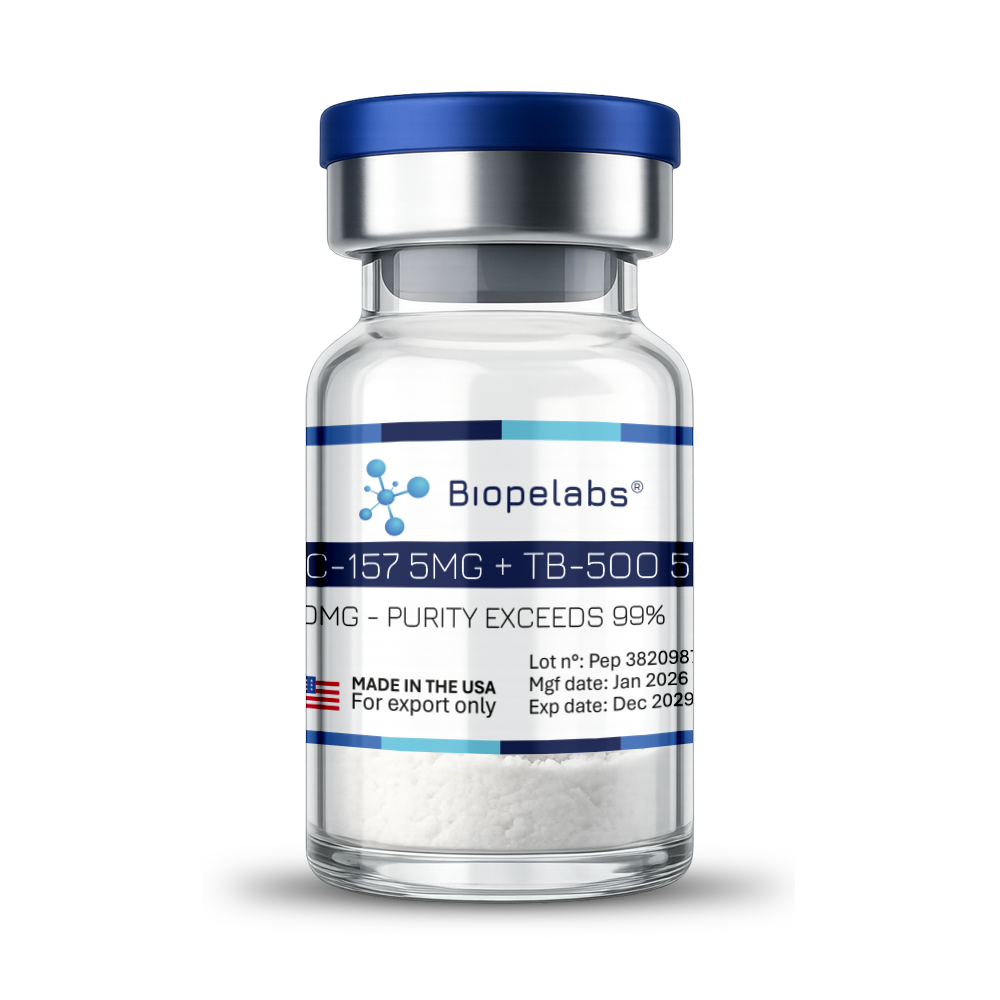
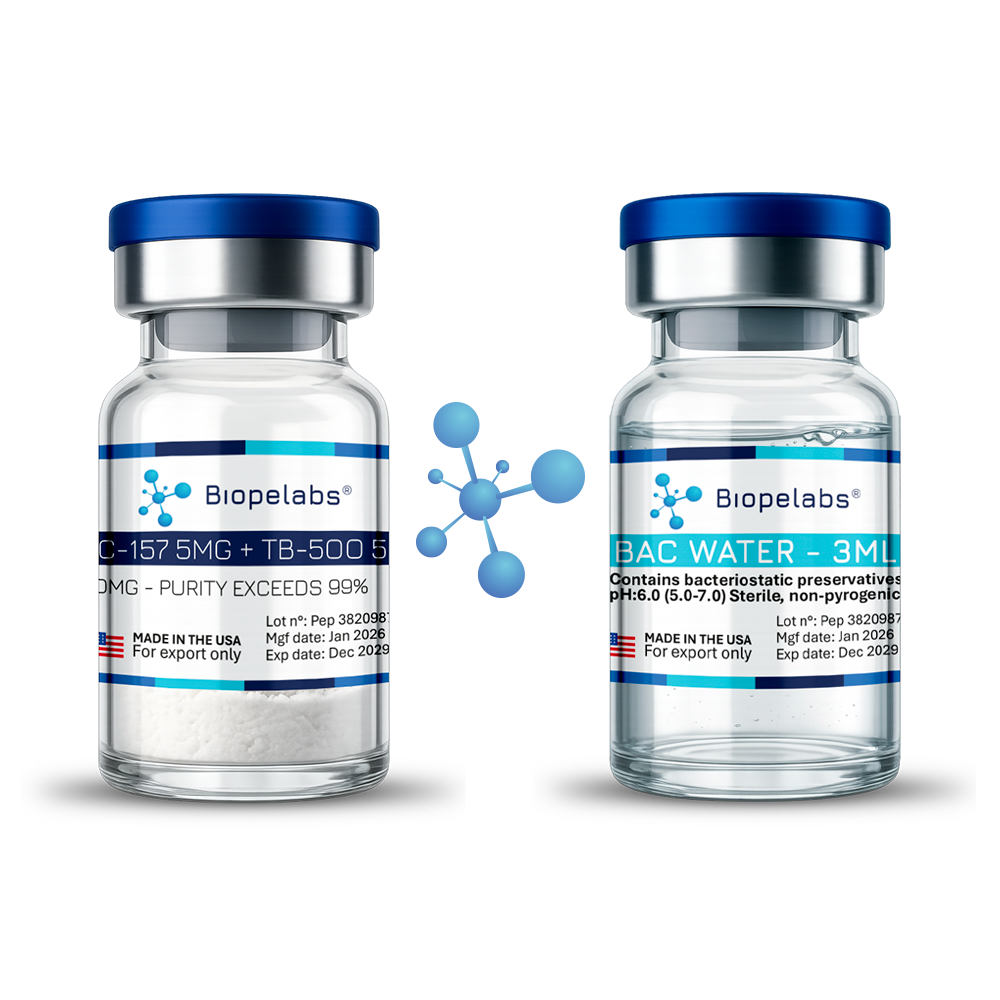
Presented as a sterile lyophilized powder, packaged in an appropriate vial for use in laboratory protocols.
Mechanism of Action and Inhibition
BPC-157 has been studied for its ability to:
TB-500 primarily acts by:
The lower-dose combination maintains the experimental rationale of a potential complementary effect on regeneration and inflammatory modulation.
Metabolic Impacts Already Scientifically Investigated
In preclinical studies, investigations have observed effects related to:
The data remain largely restricted to experimental in vitro and in vivo studies.
Investigation in Oncological Models
Thymosin Beta-4 and its fragments have been evaluated in oncological models due to their involvement in cell migration and angiogenesis, exhibiting context-dependent behavior.
BPC-157 has limited literature in this field, with its primary focus being on inflammatory and tissue repair models.
Specific Action of the Peptide BPC-157
Experimental studies highlight a possible gastrointestinal cytoprotective action and a potential influence on the recovery of muscle and tendon tissues, associated with angiogenic and inflammatory modulation.
Pharmacokinetic Considerations in Research
Formal pharmacokinetic data remain limited. In animal models:
Lyophilization helps preserve molecular integrity until reconstitution.
Final Considerations
The BPC-157 5mg + TB-500 5mg blend maintains the same biological rationale as the higher-concentration formulation and is being investigated in experimental protocols focused on tissue regeneration and inflammatory modulation.
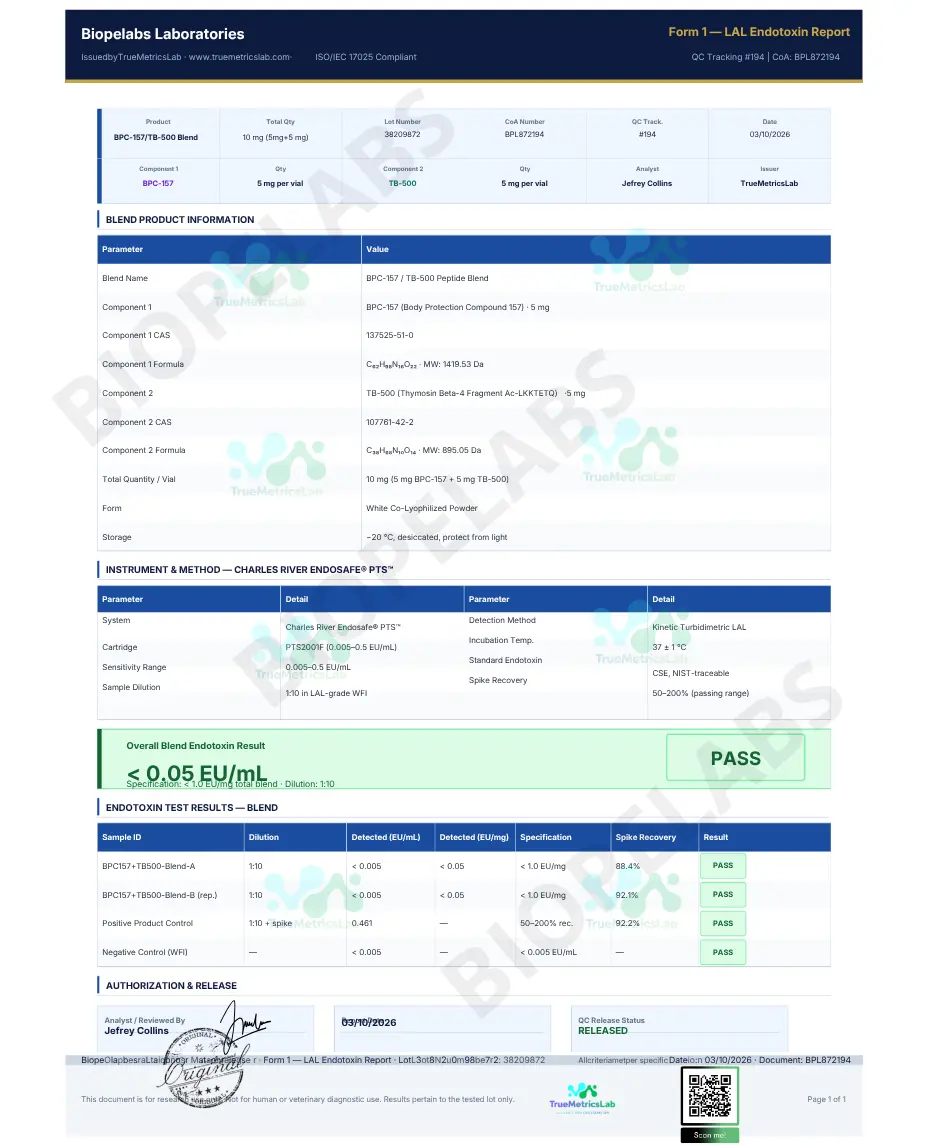
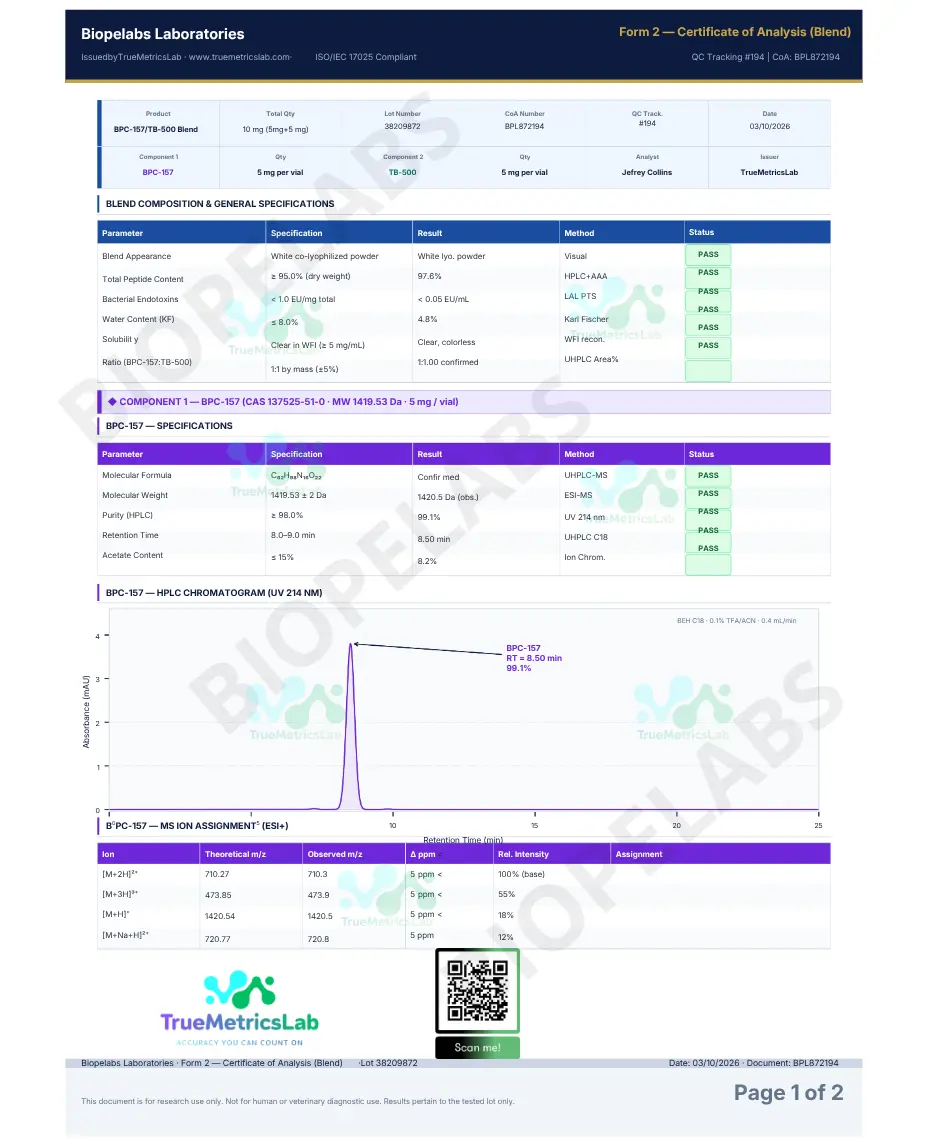
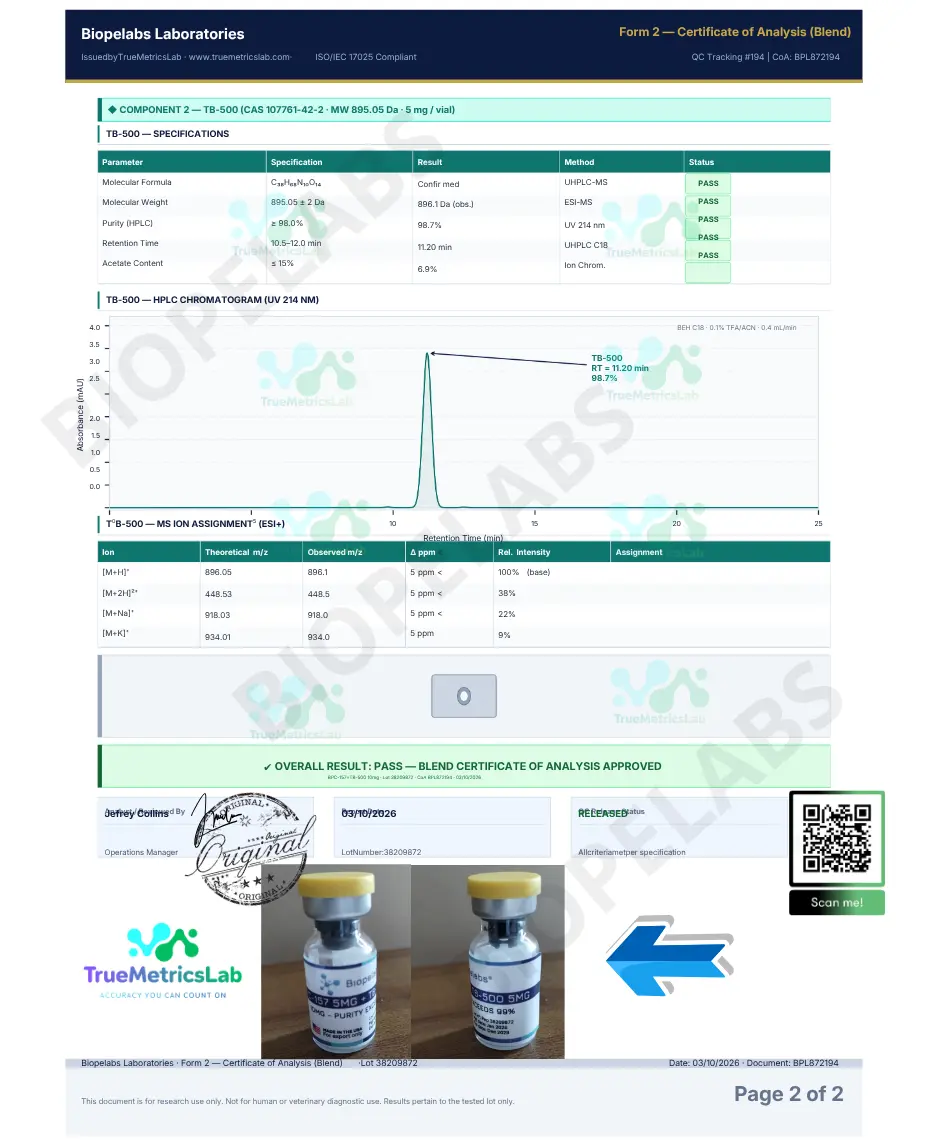
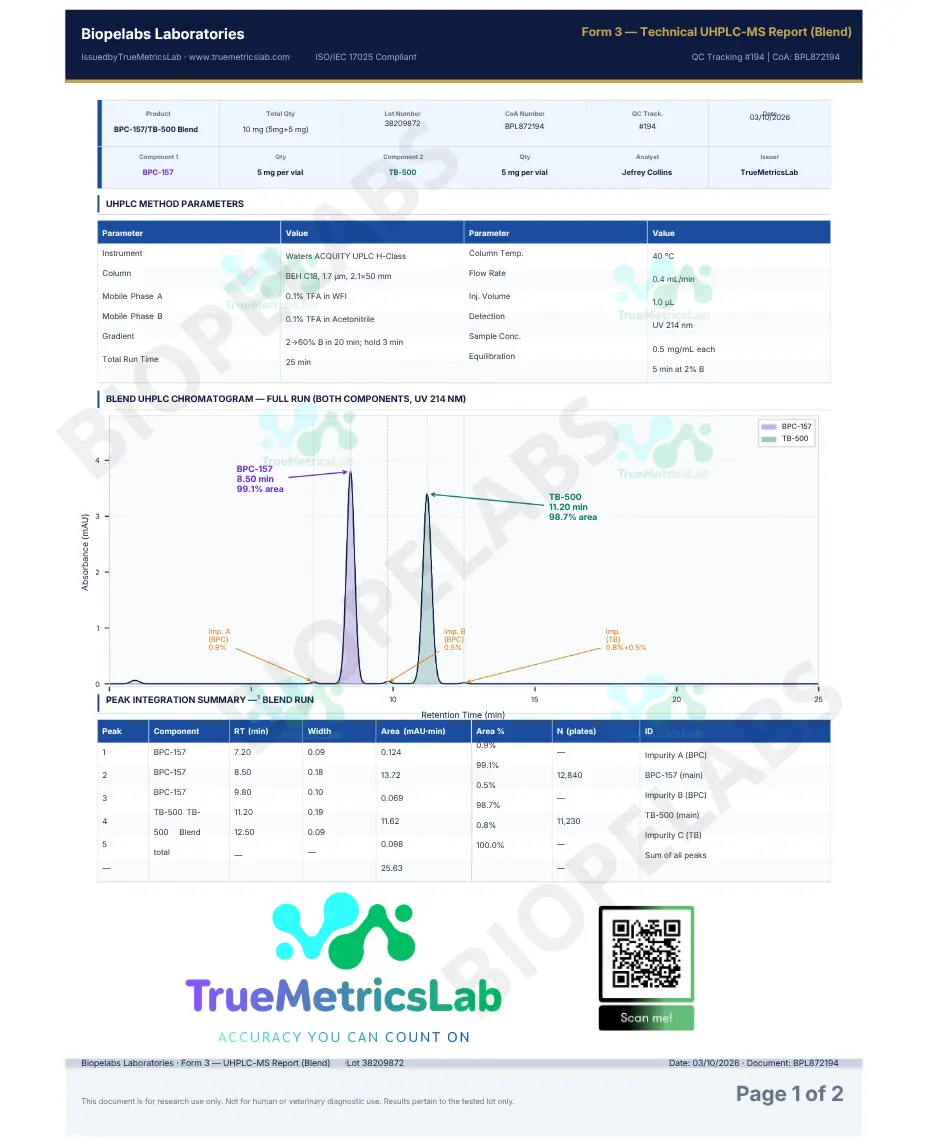
Available evidence is predominantly preclinical. Use is restricted to controlled scientific research, with technical documentation and a lot-specific Certificate of Analysis (COA).
References
Goldstein, A. L., & Kleinman, H. K. (2015). Advances in the basic and clinical applications of thymosin β4. Expert Opinion on Biological Therapy, 15(sup1), S139–S145. https://doi.org/10.1517/14712598.2015.1014792
Sikiric, P., Seiwerth, S., Rucman, R., et al. (2016). Stable gastric pentadecapeptide BPC 157: Novel therapy in gastrointestinal tract and beyond. Current Pharmaceutical Design, 22(12), 1601–1613. https://doi.org/10.2174/1381612822666151221151424
Malinda, K. M., Sidhu, G. S., Mani, H., et al. (1999). Thymosin beta4 accelerates wound healing. Journal of Investigative Dermatology, 113(3), 364–368. https://doi.org/10.1046/j.1523-1747.1999.00702.x
Only logged in customers who have purchased this product may leave a review.
| Weight | 40 g |
|---|---|
| Dimensions | 7 × 3,6 × 8 cm |



Reviews
There are no reviews yet.