
ARA‑290 is a non‑erythropoietic peptide engineered from the structure of erythropoietin, engaging selectively the so‑called “innate repair receptor” (β‑common receptor, βCR) that mediates cytoprotective and tissue‑repair signaling. By sparing classical erythropoietin‑driven erythropoiesis, ARA‑290 becomes a promising candidate for research in conditions characterized by inflammation and tissue injury, especially neuroinflammatory and ischemic diseases.
One of the main areas of interest is its effect on neuropathic pain and metabolic disorders. In patients with type 2 diabetes, ARA‑290 has demonstrated improved metabolic control and alleviation of neuropathic symptoms, suggesting a dual role in both metabolic and nervous‑system health. In preclinical and early‑phase clinical work, the peptide reduces neuroinflammation, protects small‑fiber nerves from apoptosis, and may support nerve‑fiber regeneration.
Important Information
| Property | Value |
| Molecular formula | C₅₁H₈₄N₁₆O₂₁ |
| Molecular weight | 1257.3 g/mol |
| Synonyms | Cibinetide, 1208243‑50‑8, ARA‑290, PHBSP, ARA 290 |
Main structure of the peptide ARA‑290
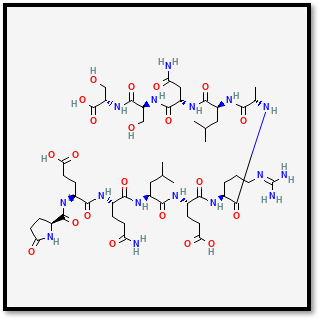
Source: PubChem
Lyophilized Peptides
Peptides undergo a lyophilization process, a technique that contributes to greater stability and extended shelf life, while preserving purity and molecular structure during storage. It is important to note that no fillers are used during this procedure.
Intended Use
Biopelabs states: this material is provided exclusively as a chemical input for research purposes. Its use is restricted to in vitro assays and experimental activities in laboratory environments. The information presented is strictly for informational and educational purposes. Handling must be carried out only by properly qualified professionals. This product is not classified as a medication, food, or cosmetic, and must not be used, marketed, or described as such.
ARA‑290 (also known as Cibinetide) is a synthetic 11‑amino‑acid peptide derived from the secondary‑structure helix‑B region of erythropoietin (EPO). Its key scientific interest lies in the ability to separate the neuroprotective and anti‑inflammatory effects of EPO from its hematopoietic (erythropoietic) actions.
Unlike native EPO, ARA‑290 does not bind the erythropoietin homodimer receptor (EPOR₂), so it avoids stimulating red‑blood‑cell production while still engaging the “innate repair receptor” (IRR), a heterocomplex of EPOR plus the common‑beta receptor (CD131/βcR).
The central mechanism of ARA‑290 is activation of the innate repair receptor (IRR), triggering anti‑inflammatory and anti‑apoptotic signaling cascades, primarily via JAK2/STAT5 and PI3K/Akt pathways.
This leads to downregulation of pro‑inflammatory cytokines such as TNF‑α, IL‑6, and MCP‑1, and to inhibition of NF‑κB nuclear translocation, the master regulator of inflammatory gene expression, thereby reducing tissue‑level oxidative stress.
No specific small‑molecule or receptor antagonist that “blocks ARA‑290” itself is widely reported in the literature; however, pharmacological or genetic disruption of the IRR complex (for example, targeting βcR or downstream JAK/STAT or PI3K/Akt elements) would be expected to blunt its biological effects.
Clinical and preclinical work has particularly focused on metabolic and neuropathic conditions:
Because native EPO can promote tumor growth via EPOR₂ on many cancers, long‑term EPO use in oncology has been limited. ARA‑290, lacking EPOR₂ binding, is considered a safer candidate for managing complications in cancer‑related care:
ARA‑290 is typically administered subcutaneously or intravenously in experimental and early‑phase protocols. It has a very short plasma half‑life in humans (around 2–5 minutes), but its biological effects can persist due to prolonged activation of intracellular signaling cascades after IRR engagement (“hit‑and‑run” kinetics). The peptide is degraded by endogenous peptidases into constituent amino acids, resulting in low risk of cumulative toxicity or complex cytochrome‑P450‑mediated drug interactions.
ARA‑290 represents a precision‑medicine advance in pharmacology by isolating EPO’s tissue‑repair and anti‑inflammatory properties from its hematopoietic effects. For researchers, it is a robust tool for studying the innate repair receptor system and for exploring therapies in chronic‑inflammatory and neurodegenerative conditions, especially SFN‑related and metabolic‑neural disorders. Although early‑phase clinical data are encouraging, large‑scale phase‑III studies are needed before broad therapeutic adoption, and long‑term safety and optimal dosing regimens remain active research questions.
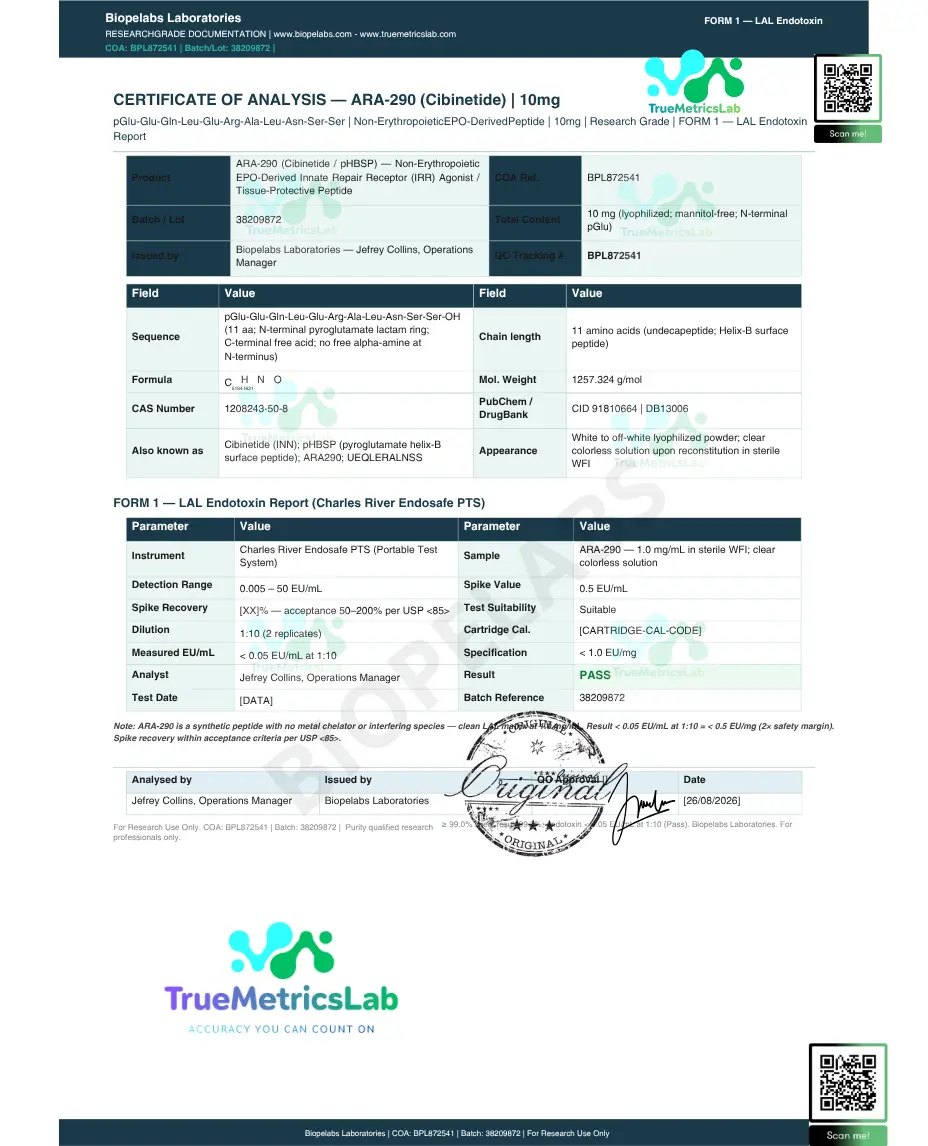
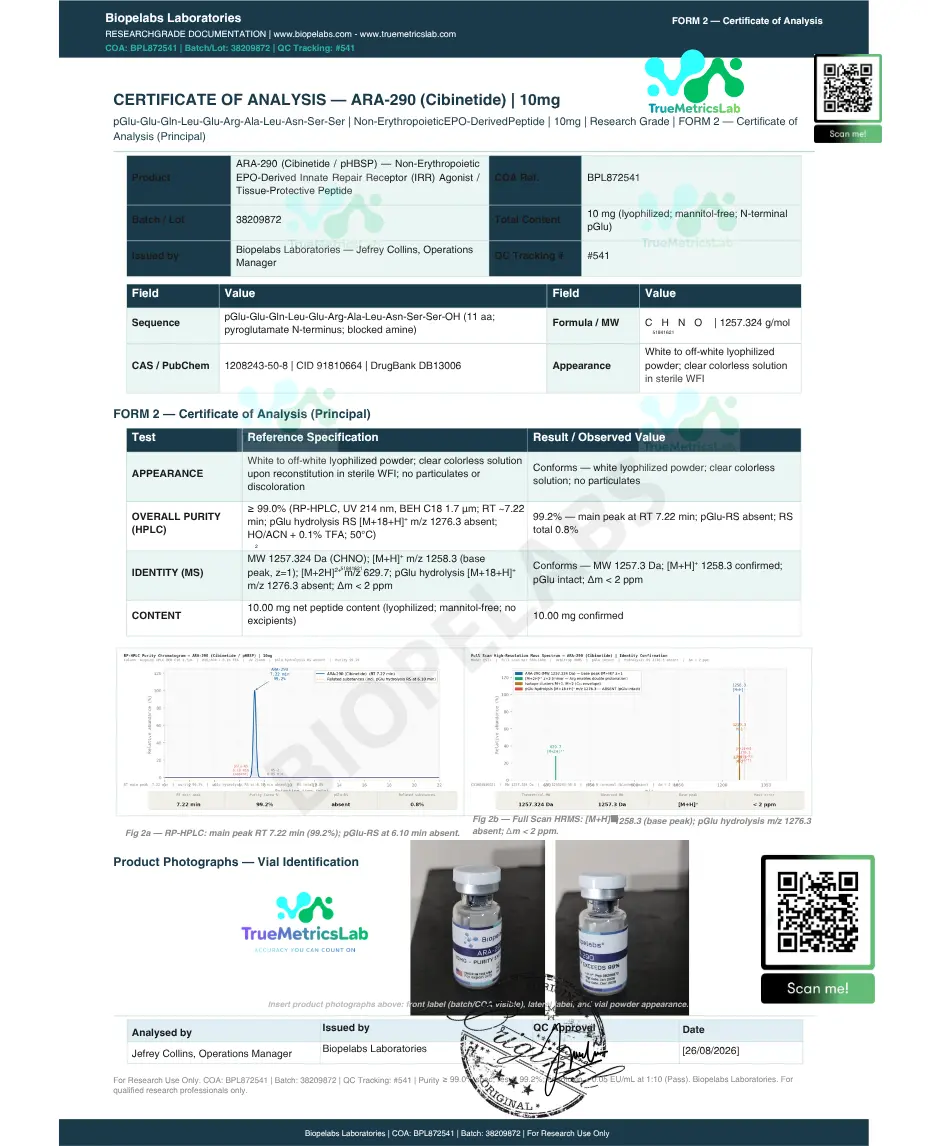
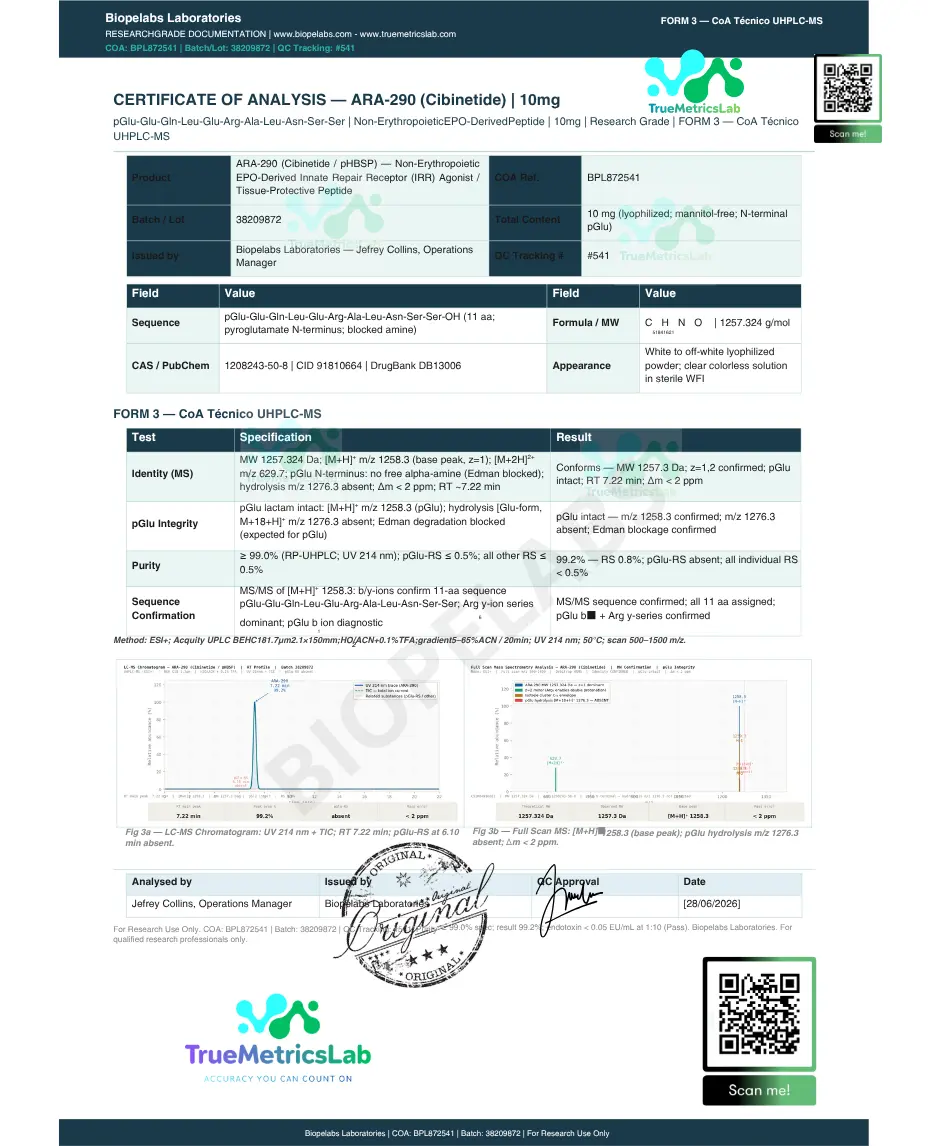

Only logged in customers who have purchased this product may leave a review.
| Weight | 40 g |
|---|---|
| Dimensions | 7 × 3,6 × 8 cm |



Reviews
There are no reviews yet.