

BPC-157 is a synthetic pentadecapeptide derived from a sequence isolated from human gastric juice, widely studied in experimental models for its cytoprotective, angiogenic, and inflammatory response-modulating potential. In a dermal context, it has been investigated for its possible ability to stimulate neovascularization, connective tissue reorganization, and modulation of factors such as VEGF and nitric oxide (NO), which are associated with endothelial integrity and tissue repair.
GHK-Cu (glycyl-L-histidyl-L-lysine complexed with copper) is an endogenous tripeptide naturally present in human plasma, saliva, and urine, with recognized relevance in dermatological studies. The form complexed with the copper ion (Cu²⁺) plays a significant role in activating extracellular matrix remodeling processes, stimulating collagen synthesis (types I and III), elastin, and glycosaminoglycans, as well as possibly modulating matrix metalloproteinases (MMPs). It is widely investigated in models of cutaneous wound healing and dermal regeneration.
TB-500, corresponding to the functional synthetic fragment of thymosin beta-4, is associated with the regulation of actin dynamics and cell migration. In experimental studies, it has demonstrated potential involvement in angiogenesis, inflammatory modulation, and acceleration of tissue repair, including epithelial and connective tissues.
The combination of these three peptides is proposed on an investigational basis as a multimodal approach aimed at deep dermal regeneration, acting simultaneously on angiogenic, inflammatory, and structural pathways of the extracellular matrix. The formulation remains classified as experimental and is intended exclusively for scientific research.
Important Information
| Properties | Value |
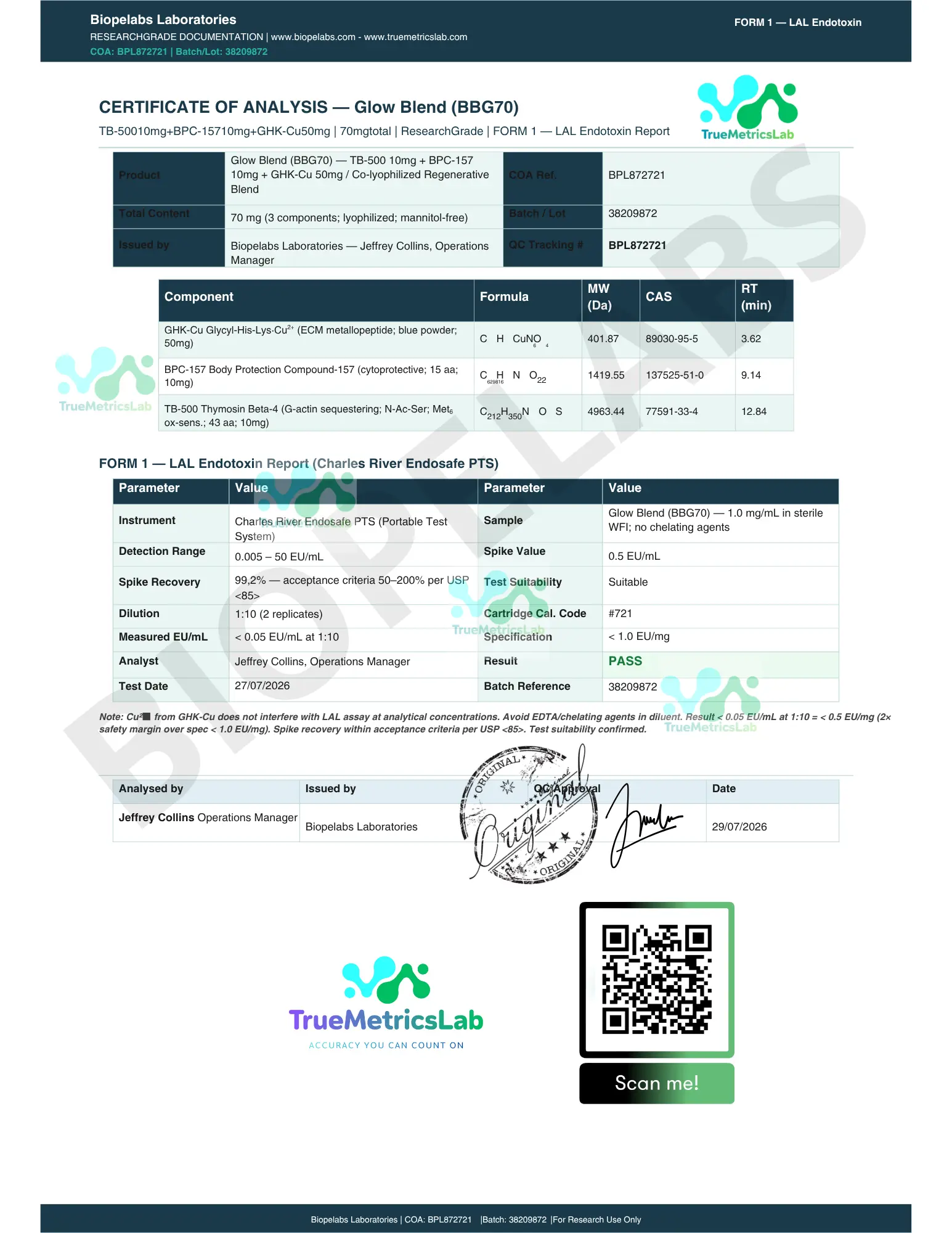
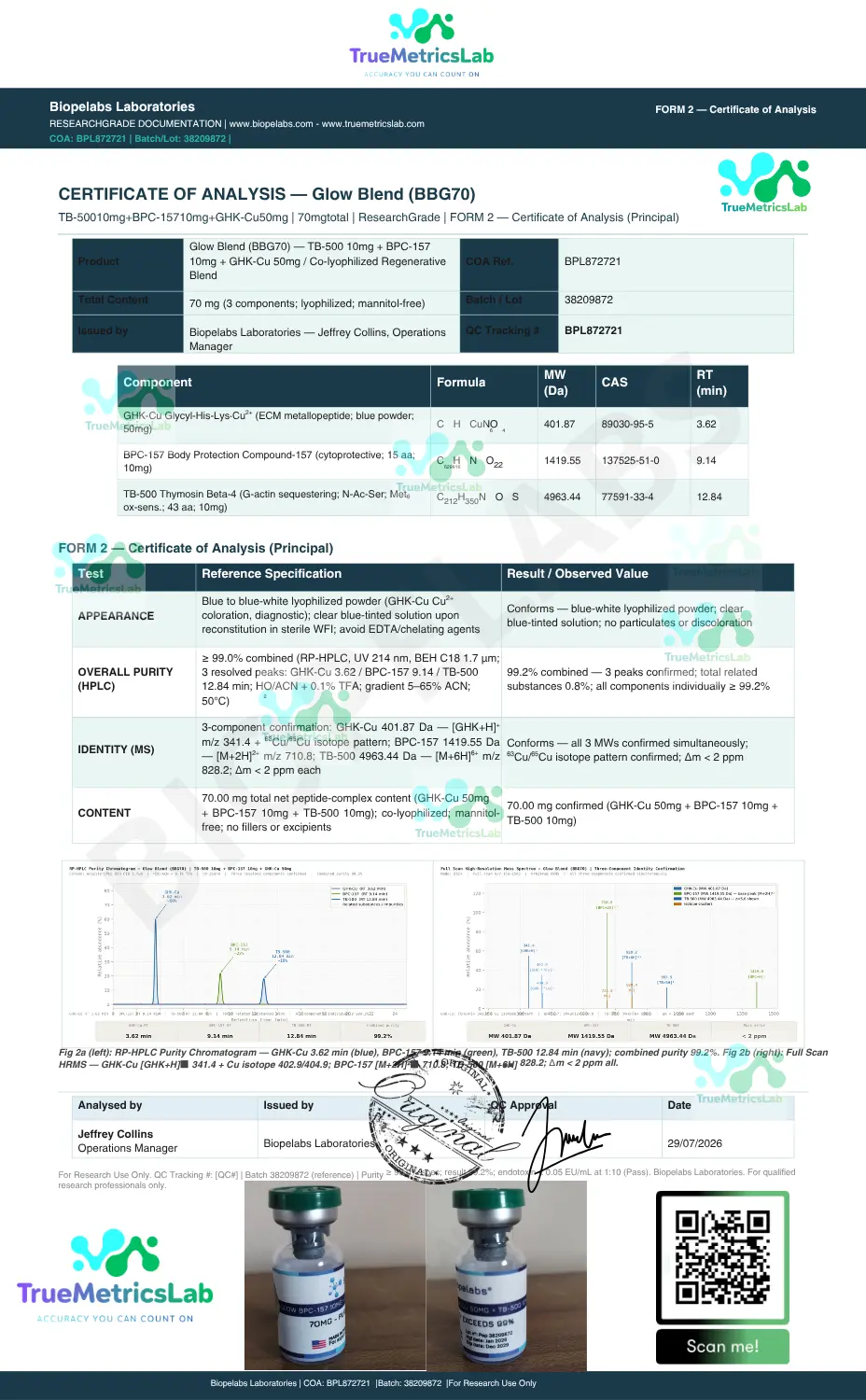
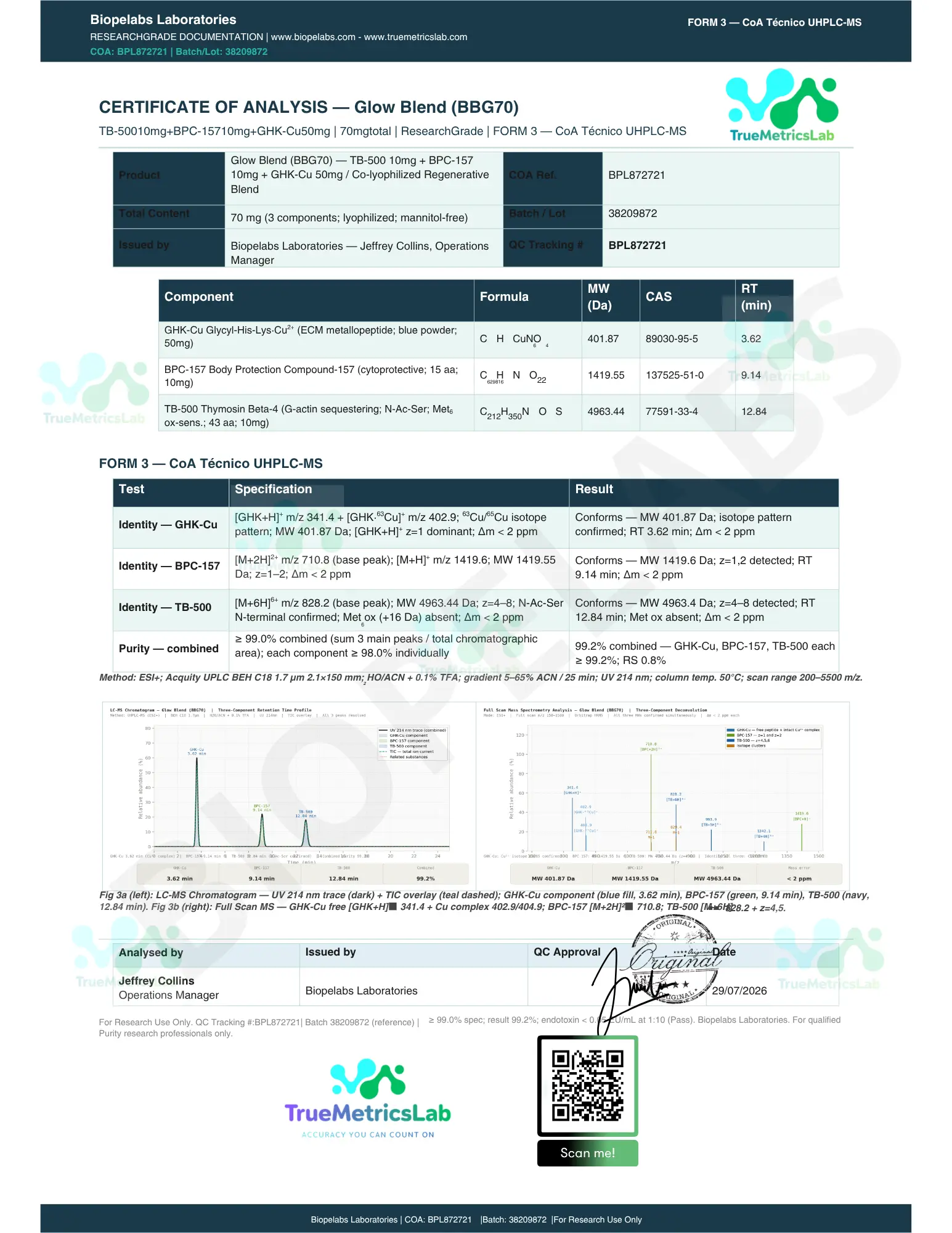
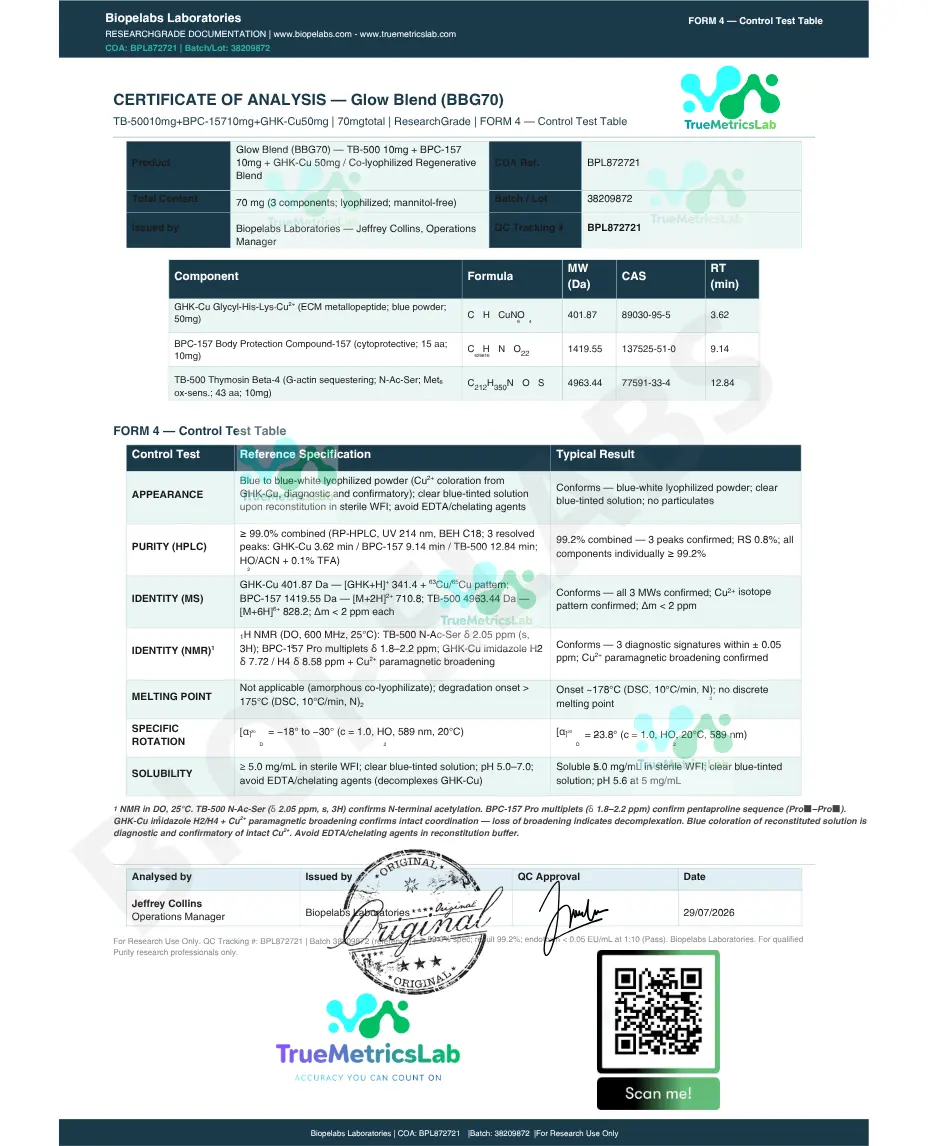
| Molecular Formula | BPC-157: C₆₂H₉₈N₁₆O₂₂ GHK-Cu: C₁₄H₂₄N₆O₄·Cu TB-500 (active fragment of Thymosin Beta-4): C₂₁₂H₃₅₀N₅₆O₇₈S |
| Molecular Weight | BPC-157: approximately 1419.6 g/mol GHK-Cu: approximately 340.0 g/mol TB-500: approximately 4963.5 g/mol |
| Synonyms | BPC-157 is also referred to as Pentadecapeptide BPC, Body Protection Compound-157, PL-14736. GHK-Cu is known as Copper Tripeptide-1, Glycyl-L-histidyl-L-lysine copper, Copper Peptide GHK. TB-500 is referred to as synthetic Thymosin Beta-4, Thymosin Beta-4 active fragment, synthetic Tβ4. |
Observed Scientific Findings
Preclinical studies with BPC-157 have demonstrated accelerated soft tissue repair, increased angiogenesis, and modulation of inflammatory mediators in animal models, including epithelial tissues.
Research involving GHK-Cu indicates stimulation of collagen synthesis, increased fibroblast activity, improved extracellular matrix reorganization, and a possible antioxidant effect. Experimental studies suggest improved wound healing quality, reduction of local inflammation, and modulation of gene expression related to tissue regeneration.
Investigations with Thymosin Beta-4 and its synthetic fragments have demonstrated increased cell migration, promotion of neovascularization, and support for cutaneous repair in animal models.
Despite promising findings from in vitro models and animal studies, controlled clinical data in humans remain limited. The proposed combination remains at an investigational stage, with no regulatory approval for an established therapeutic use, and is intended exclusively for scientific research.
Lyophilized Peptides
The peptides undergo a lyophilization process, a technique that contributes to greater stability and durability, while maintaining purity and molecular structure during storage. It should be noted that no bulking agents are used during this process.
Intended Use
Biopelabs warns: this material is provided exclusively as a chemical input for research. Its use is restricted to in vitro assays and experimental activities in laboratory settings. The information presented is strictly for informational and educational purposes. Handling must be performed only by properly qualified professionals. The product is not classified as a medication, food, or cosmetic, and should not be used, marketed, or described as such.
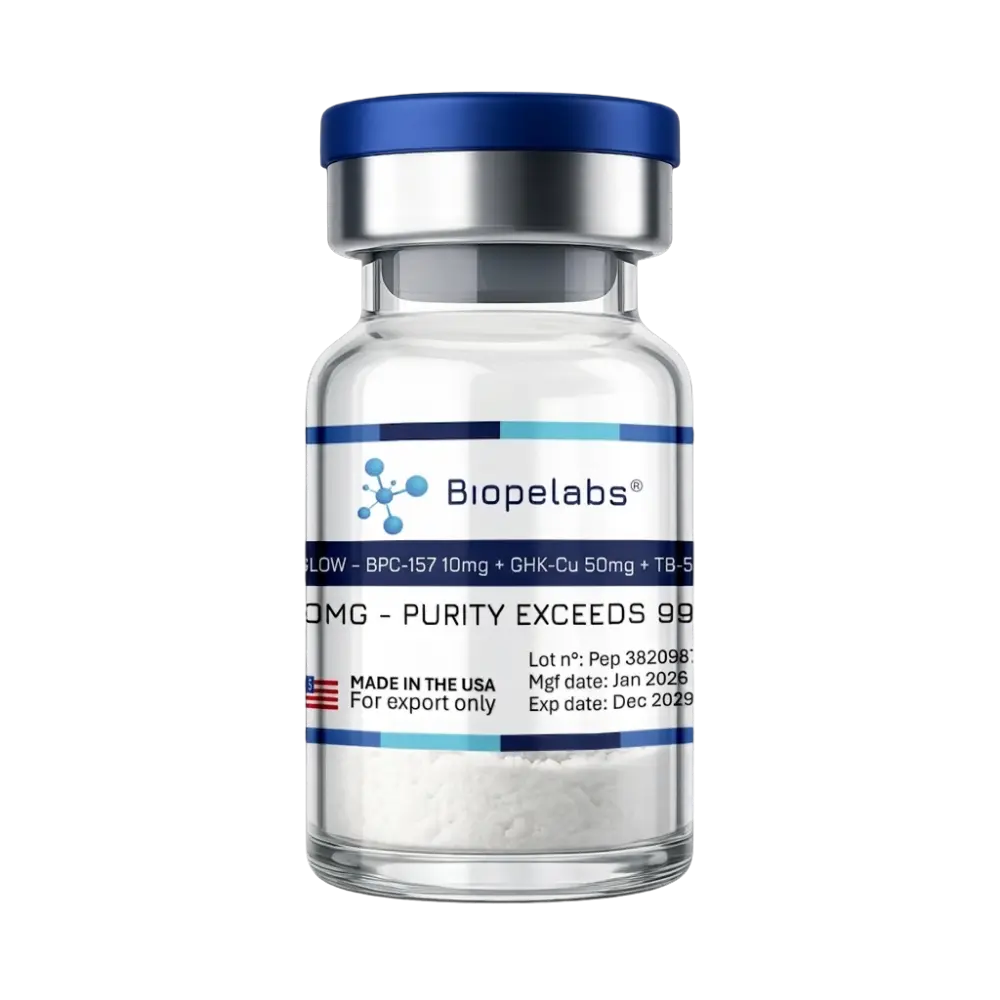
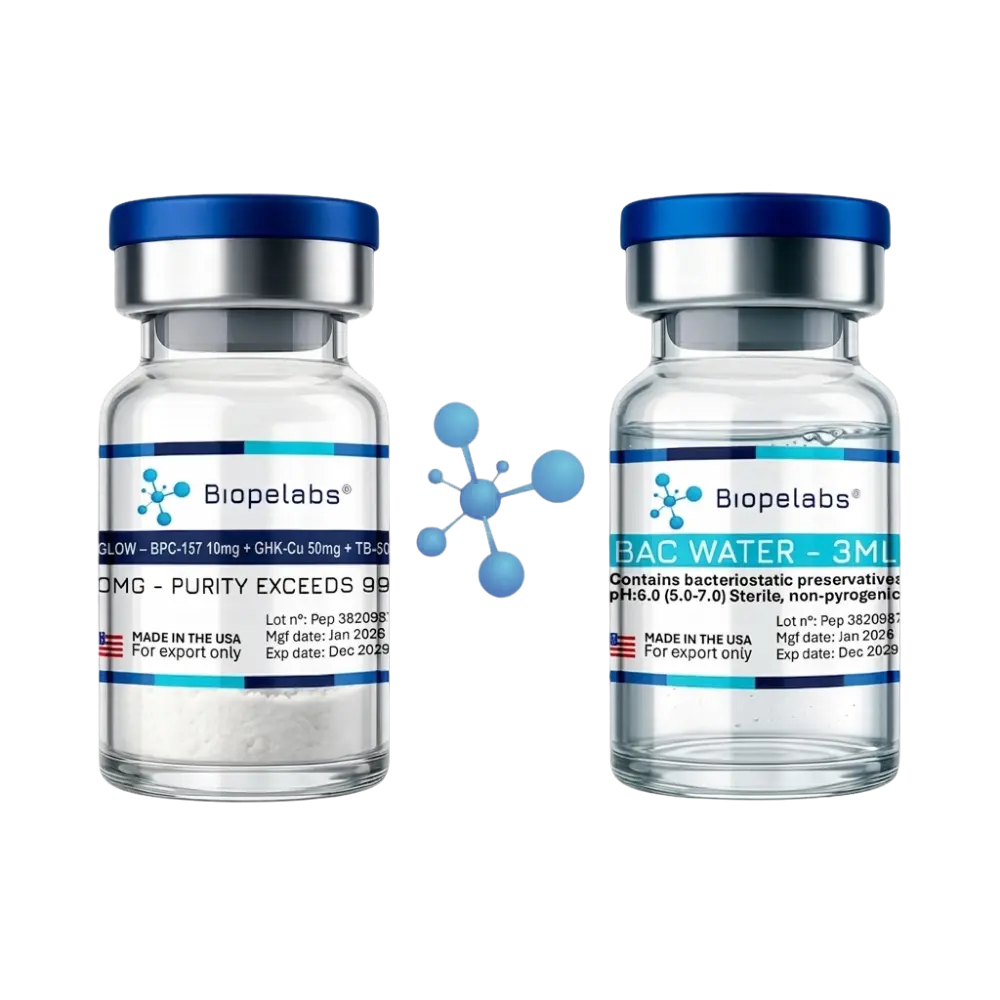
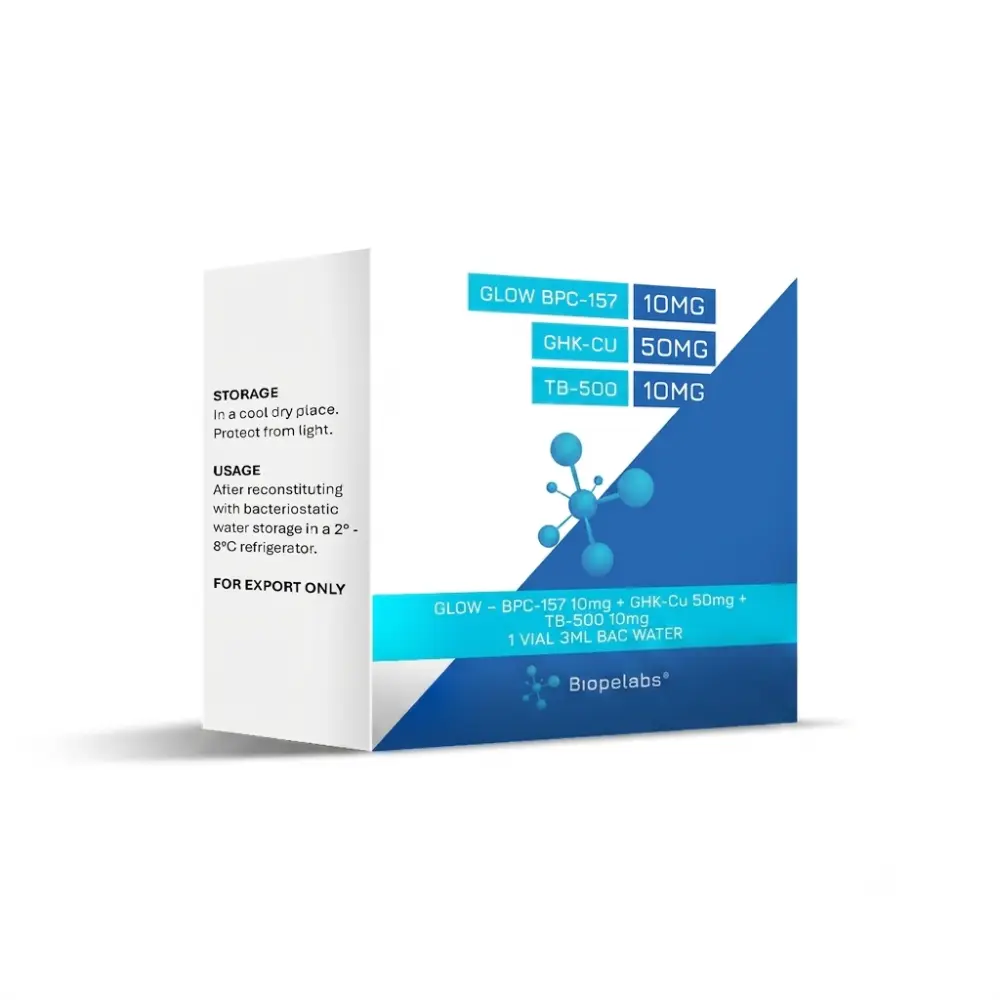
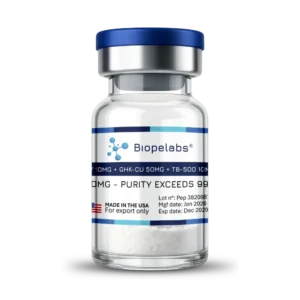
GLOW blend, a high-potency combination focused on systemic regeneration, extracellular matrix (ECM) remodeling, and soft tissue repair.
Scientific Research on GLOW BPC-157 10mg + GHK-Cu 50mg + TB-500 10mg
The GLOW blend integrates three of the most potent peptides in experimental regenerative medicine. BPC-157 (Gastric Pentadecapeptide) acts as a cytoprotective and angiogenic agent; GHK-Cu (Copper Peptide) focuses on tissue remodeling and collagen synthesis; and TB-500 (active fraction of Thymosin Beta-4) promotes cell migration and repair of muscle and tendon fibers. The high concentration of GHK-Cu (50mg) suggests an intense focus on dermal and systemic regeneration.
Mechanism of Action and Inhibition
The synergy of this blend occurs through parallel and convergent repair pathways:
Metabolic Impacts Already Scientifically Investigated
Investigation in Oncological Models
The GLOW blend presents a complex relationship with oncology:
Specific Action of the GLOW Blend
The specific action of this blend is Accelerated Multitissue Regeneration. It combines "local repair" signaling (BPC-157), "support cell migration" (TB-500), and "matrix restructuring" (GHK-Cu). This triad is particularly effective in reversing chronic damage in tissues with low vascularization (such as tendons and ligaments) and in deep skin revitalization.
Pharmacokinetic Considerations in Research
Other Important Research-Related Considerations
The relationship between Copper (Cu²⁺) and GHK is the focal point. The 50mg dosage of GHK-Cu requires attention to the body's mineral homeostasis. Research suggests that the efficacy of the blend is potentiated in the presence of adequate levels of Vitamin C and Zinc, which act as cofactors in collagen synthesis.
Final Considerations
The GLOW blend represents the pinnacle of modern regenerative combinations. Its ability to act on both physical structure (collagen) and cellular mechanics (migration and angiogenesis) makes it an unparalleled research tool for the study of tissue longevity and accelerated recovery from musculoskeletal trauma.
References
Only logged in customers who have purchased this product may leave a review.
| Weight | 40 g |
|---|---|
| Dimensions | 7 × 3,6 × 8 cm |

Reviews
There are no reviews yet.