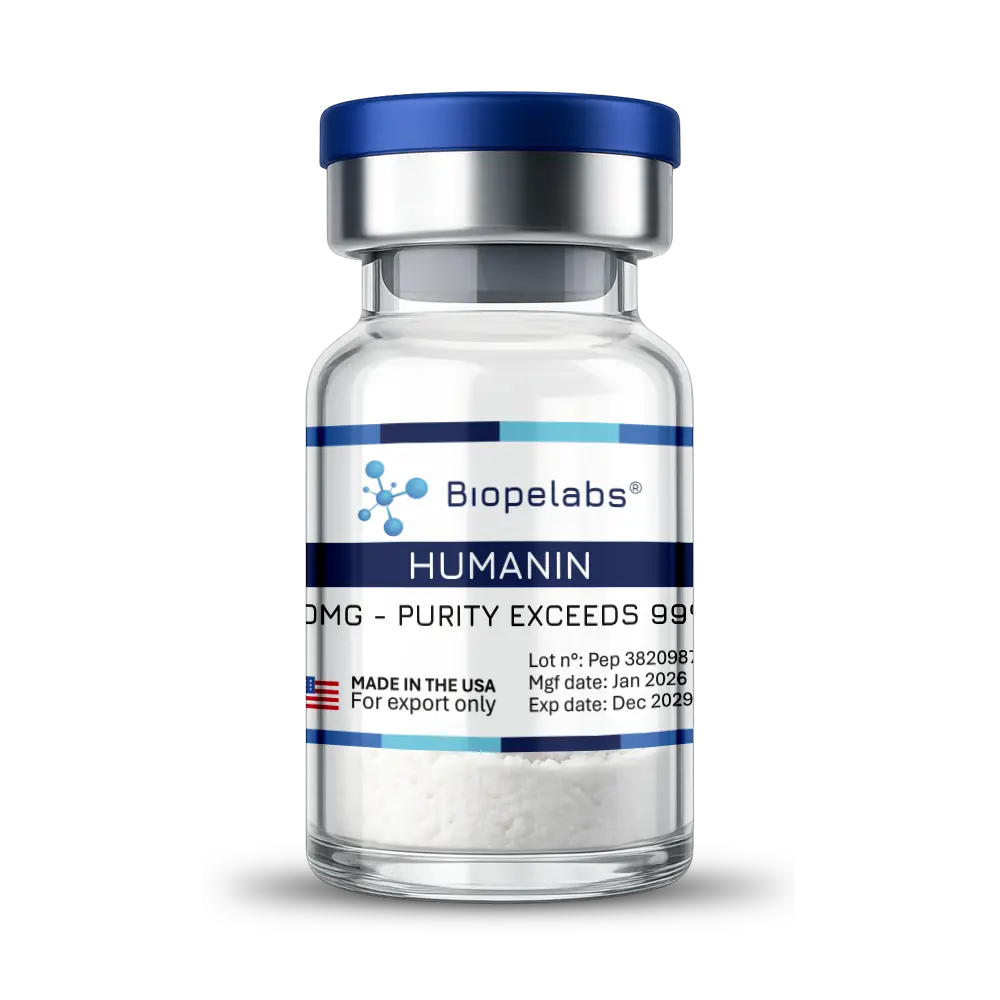
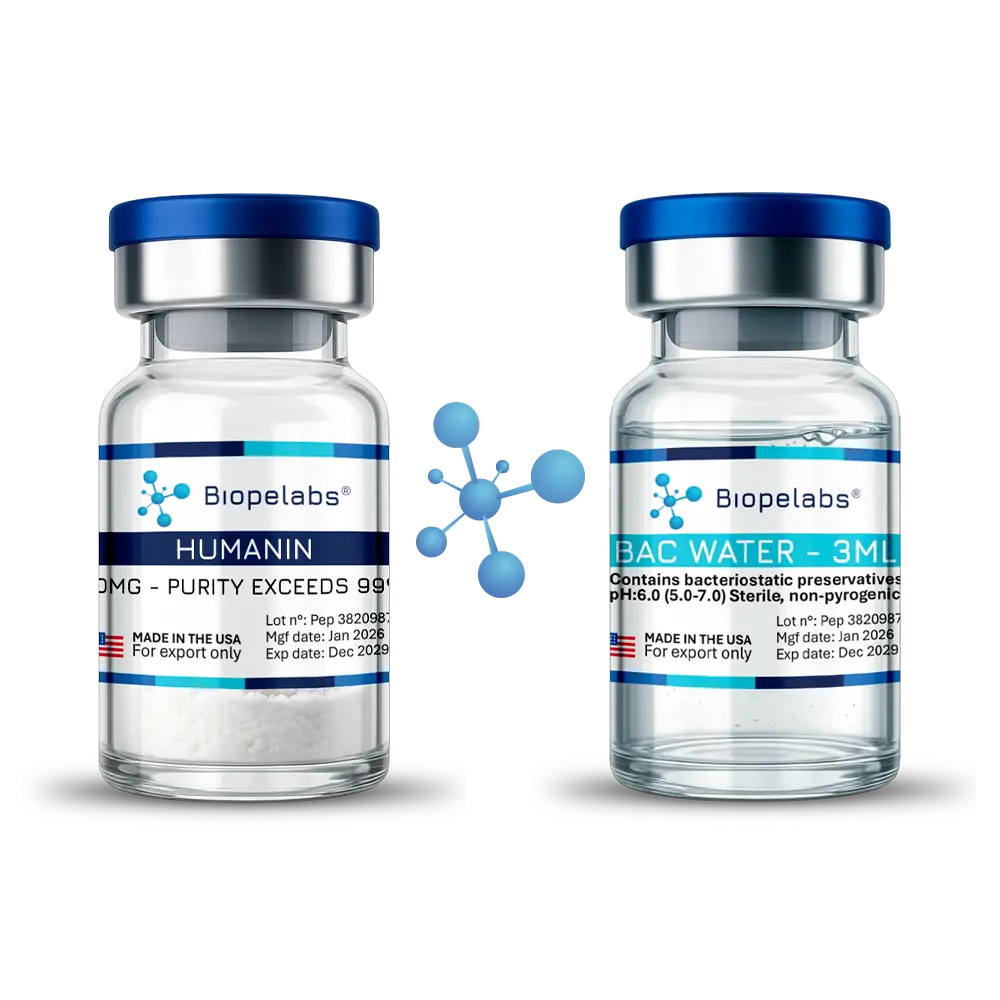
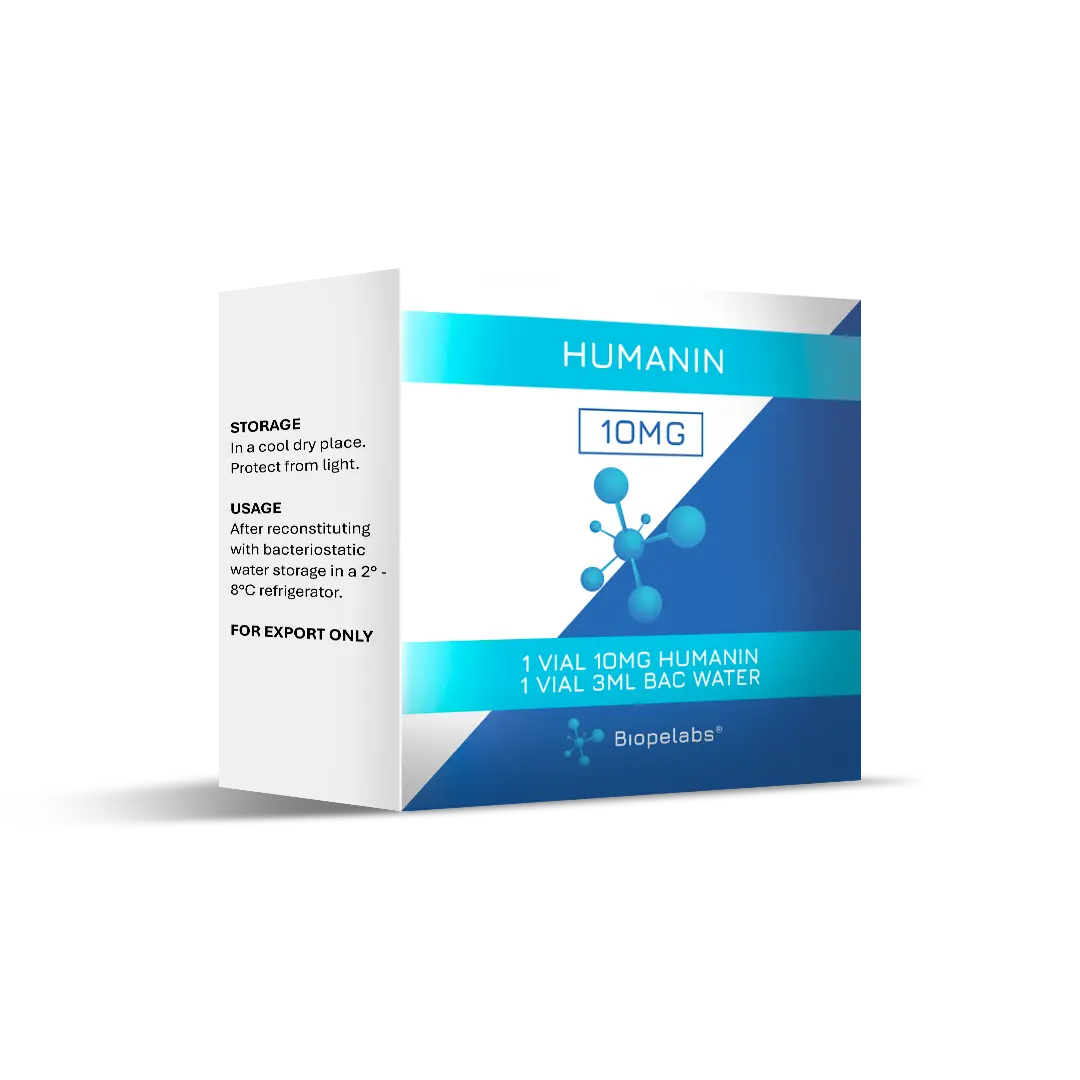


Humanin 10mg

Protects Cells / Mitochondrial Peptide That Reduces Cell Death

Humanin is an endogenous mitochondrial peptide composed of 24 amino acids, encoded by a sequence associated with human mitochondrial DNA, recognized for its cytoprotective action and modulation of pathways related to cell survival.

R$ 1.565,00

10 in stock

💡 Digite seu CEP para calcular automaticamente o frete e prazo de entrega

We accept USDT as our exclusive payment method, ensuring fast transactions, enhanced privacy, and efficient order processing.

Warning — For Research Use Only

Scientific content intended for research laboratories only. It is not a clinical, therapeutic, or diagnostic recommendation. Use is restricted to qualified professionals. Consult specialists before purchasing or using. Biopelabs reinforces its commitment to ethical and responsible use.
Discover Our Complete Catalog
Browse our full peptide catalog and explore additional compounds. Click any product to view its details and discover more research solutions.

Description

Humanin is a bioactive peptide originally identified in the context of mitochondria-nucleus communication, classified as a mitochondria-derived peptide (MDP). Its sequence is conserved across species and features multiple variants, including synthetic analog forms used in experimental studies.

Mechanistically, Humanin acts through different molecular pathways, including interaction with pro-apoptotic Bcl-2 family proteins such as Bax and Bid, inhibiting their mitochondrial translocation and consequently the intrinsic apoptotic cascade activation. Additionally, the peptide may signal through cell surface receptors associated with gp130-type complexes, modulating intracellular STAT3-dependent pathways.

Humanin does not act as a classical hormone nor as a single receptor agonist, exerting its function through multiple intracellular and extracellular signaling mechanisms. Its low molecular weight is associated with rapid tissue distribution and systemic clearance, typical of endogenous mitochondrial peptides.


Important Information

Properties Value
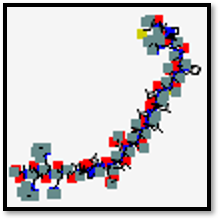
Molecular Formula C₁₁₉H₁₉₈N₃₄O₃₁S
Molecular Weight ≈ 2,687 g/mol
Synonyms Humanin, HN, Mitochondria-derived peptide (MDP), Humanin S14G (analog variant), HNG


Main Structure of the Humanin Peptide

Humanin

Source: PubChem


Lyophilized Peptides
The peptides undergo a lyophilization process, a technique that enhances stability and shelf life while preserving purity and molecular structure during storage. Notably, no fillers are used in this procedure.

Intended Use
Biopelabs warns: this material is provided exclusively as a chemical reagent for research purposes. Its use is restricted to in vitro assays and experimental activities in a laboratory setting. The information provided is strictly informational and educational. Handling must be performed only by qualified professionals. The product is not classified as a medicine, food, or cosmetic and must not be used, marketed, or described as such.

Research

Scientific Research on Humanin
Humanin is an endogenous mitochondrial peptide first described in 2001 in experimental models associated with Alzheimer's disease. It is a small bioactive peptide derived from a small open reading frame (sORF) located in mitochondrial DNA, specifically within the 16S rRNA gene (MT-RNR2).
Humanin belongs to the class of MDPs (Mitochondria-Derived Peptides), which also includes MOTS-c and SHLPs (Small Humanin-Like Peptides). Its scientific interest stems from cytoprotective, anti-apoptotic, and metabolic properties, with implications in aging, neurodegenerative diseases, metabolism, and experimental oncology.
The classical human form consists of 24 amino acids when translated in the cytoplasm, although mitochondrial variants of 21 amino acids have also been described.

Mechanism of Action and Inhibition

Humanin acts through intracellular and extracellular mechanisms.
1. Intracellular mechanism (anti-apoptotic)
Humanin can directly interact with pro-apoptotic Bcl-2 family proteins, including:

  • BAX
  • tBid
    This interaction prevents BAX translocation to mitochondria and reduces outer mitochondrial membrane permeabilization, inhibiting cytochrome c release and caspase cascade activation.


  1. Extracellular mechanism (receptor-mediated)
    Humanin may act as a ligand for a trimeric receptor complex composed of:
  • CNTFR (Ciliary Neurotrophic Factor Receptor)
  • WSX-1 (IL-27 receptor α)
  • gp130
    Activation of this complex may trigger:
  • STAT3 activation
  • ERK1/2 activation
  • JAK/STAT-dependent cytoprotective signaling

Additionally, studies suggest interaction with FPRL1 receptor (formyl peptide receptor-like 1), also known as FPR2, implicated in inflammatory responses.
No evidence exists of direct enzymatic inhibitory function; its action is predominantly modulatory and cytoprotective.

Scientifically Investigated Metabolic Impacts

Experimental studies indicate Humanin may influence multiple metabolic axes:
1. Insulin sensitivity

  • Improved insulin signaling in murine models
  • Reduction of diet-induced insulin resistance
  • Potential PI3K/Akt pathway modulation
  1. Mitochondrial metabolism
  • Protection against oxidative stress
  • Preservation of mitochondrial function
  • Reduction of reactive oxygen species (ROS)
  1. Aging
    Plasma Humanin concentrations tend to decrease with age in experimental models, suggesting possible regulatory role in cellular aging.

Investigation in Oncological Models

Humanin exhibits complex role in experimental oncology.
Potential pro-tumor survival effects:
Due to its anti-apoptotic activity, hypotheses suggest it may:

  • Protect tumor cells against cell death
  • Reduce chemotherapeutic efficacy in certain contexts

Potential protective metabolic effects:
Conversely, its ability to improve mitochondrial function and modulate oxidative stress may have indirect implications in tumor biology.
Currently, no consensus exists on its definitive role as pro- or anti-tumor factor; data remain contextual and model-dependent.

Pharmacokinetic Considerations in Research

Pharmacokinetic data remain predominantly experimental.
Observed characteristics:

  • Subcutaneous or intraperitoneal administration in animal models
  • Relatively short half-life
  • Possible rapid systemic clearance
  • Proteolytic degradation sensitivity

Synthetic modified analogs (e.g., HNG – Humanin G, with S14G substitution) demonstrated greater biological potency in experimental models.

Other Important Existing Research Relationships

  • Alzheimer's disease and neuroprotection
  • Parkinson's disease (experimental models)
  • Type 2 diabetes
  • Cardiovascular diseases
  • Sarcopenia
  • Systemic aging
    Humanin is considered a mitochondrial mediator with relevant role in mitochondria-nucleus communication (retrograde signaling).

Final Considerations

Humanin is a mitochondrial DNA-derived peptide with widely investigated cytoprotective and anti-apoptotic properties in experimental models. It acts both through direct interaction with pro-apoptotic proteins and receptor-mediated JAK/STAT signaling.
Its metabolic effects include improved insulin sensitivity and protection against oxidative stress. In oncology, its role remains ambiguous given its potential anti-apoptotic effect.
Humanin represents an emerging field in mitochondrial biology and aging/metabolic disease research.

References

Hashimoto, Y., Niikura, T., Tajima, H., et al. (2001). A rescue factor abolishing neuronal cell death by a wide spectrum of familial Alzheimer's disease genes and Aβ. Proceedings of the National Academy of Sciences, 98(11), 6336–6341. https://doi.org/10.1073/pnas.101133498
Guo, B., Zhai, D., Cabezas, E., et al. (2003). Humanin peptide suppresses apoptosis by interfering with Bax activation. Nature, 423(6938), 456–461. https://doi.org/10.1038/nature01627
Muzumdar, R. H., Huffman, D. M., Calvert, J. W., et al. (2009). Humanin: a novel central regulator of peripheral insulin action. PLoS ONE, 4(7), e6334. https://doi.org/10.1371/journal.pone.0006334
Cobb, L. J., Lee, C., Xiao, J., et al. (2016). Naturally occurring mitochondrial-derived peptides are age-dependent regulators of apoptosis, insulin sensitivity, and inflammatory markers. Aging, 8(4), 796–809. https://doi.org/10.18632/aging.100943
Lee, C., Yen, K., & Cohen, P. (2013). Humanin: a harbinger of mitochondrial-derived peptides? Trends in Endocrinology & Metabolism, 24(5), 222–228. https://doi.org/10.1016/j.tem.2013.01.005

Scientific Reviewer
Content reviewed by Dr. Ky H. Le, MD. Dr. Ky H. Le is a family physician in Aiea, Hawaii. He received his medical degree from St. George's University School of Medicine and has been practicing for over 20 years. He has expertise in treating obesity, diabetes, hypertension, and high blood pressure, among other conditions—see all areas of specialization. Dr. Ky H. Le accepts Medicare, Aetna, Humana, Blue Cross, United Healthcare.
Ref.: https://health.usnews.com/doctors/ky-le-371599#expertise
 

COAs

LAL Endotoxin Test Report

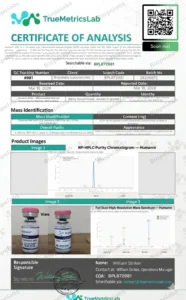
Certificate of Analysis (Including Product Images)

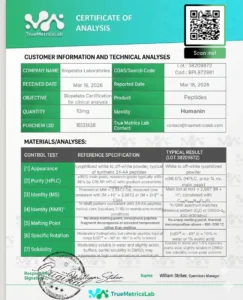
Certificate of Analysis (General / Physicochemical)

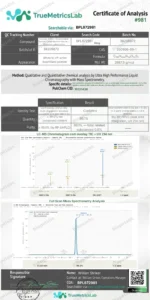
Certificate of Analysis (Analytical Method Details) ✅

Reviews

There are no reviews yet.

Only logged in customers who have purchased this product may leave a review.

Additional information

Weight 40 g
Dimensions 7 × 3,6 × 8 cm

Disclaimer: The products offered by BiopeLabs are intended for research and laboratory use only. They are not approved for human consumption, therapeutic, diagnostic, or veterinary use. By purchasing from our website, you acknowledge that you are a qualified researcher or purchasing on behalf of a legitimate research institution and agree to use these products in accordance with all applicable laws and regulations.

Peptides Catalog

1: 5-Amino-1MQ 10mg
2: 5-Amino-1MQ 50mg
3: ACE-031 1mg
4: ACTH 1-39 5mg
5: Adamax 5mg
6: Adamax 10mg
7: AHK-Cu 50mg
8: AICAR 50mg
9: AICAR 100mg
10: AOD-9604 5mg
11: AOD-9604 10mg
12: Alprostadil 20mcg
13: Amylin 5mg
14: Angiotensin (1–7) 5mg
15: ARA-290 10mg
16: Bimagrumab 5mg
17: Botulinum Toxin 100IU
18: BPC-157 10mg
19: BPC-157 20mg
20: BPC-157 5mg + TB-500 5mg
21: BPC-157 10mg + TB-500 10mg
22: Bronchogen 20mg
23: Cagrilintide 10mg
24: Cagrilintide 20mg
25: Cardiogen 20mg
26: Cartalax 20mg
27: CBL-514 10mg
28: CBL-514 20mg
29: CBL-514 30mg
30: Cerebrolysin 60mg
31: Cerlankin 2mg
32: CGRP (Calcitonin Gene-Related Peptide) 1mg
33: CJC-1295 with DAC 5mg
34: CJC-1295 with DAC 10mg
35: CJC-1295 with DAC 5mg + Ipamorelin 5mg
36: CJC-1295 without DAC 5mg
37: CJC-1295 without DAC 10mg
38: CJC-1295 without DAC 5mg + Ipamorelin 5mg
39: Chonluten 20mg
40: Cortagen 20mg
41: Crystagen 20mg
42: CT-1 Cardiotrophin-1 5mg
43: Dermorphin 5mg
44: Dihexa 5mg
45: DSIP 5mg
46: Dulaglutide 5mg
47: Elabela Apelin 5mg
48: Enfuvirtide 90mg
49: Epithalon 5mg
50: Epithalon 40mg
51: Epithalon 50mg
52: EPO 3000IU
53: FGF21 10mg
54: Follistatin-344 1mg
55: FOXO4 10mg
56: GHK-Cu 50mg
57: GHK-Cu 100mg
58: Ghrelin 10mg
59: GHRP-2 5mg
60: GHRP-6 5mg
61: Glucagon 1mg
62: Glutathione 1500mg
63: Gonadorelin Acetate 2mg
64: Goserelin 10mg
65: GLOW BPC-157 10mg + GHK-Cu 50mg + TB-500 10mg
66: HGH 191AA 15IU
67: HGH 191AA 36IU
68: HGH Fragment 176-191 10mg
69: HGH Fragment 176-191 15mg
70: HMG (Human Menopausal Gonadotropin) 75IU
71: Humanin 10mg
72: Hyaluronic Acid 5mg
73: Hexarelin Acetate 2mg
74: Hexarelin Acetate 5mg
75: IGF-1 LR3 1mg
76: Ipamorelin 5mg
77: Ipamorelin 10mg
78: Kisspeptin-10 5mg
79: Kisspeptin-10 10mg
80: KLOW BPC-157 10mg + GHK-Cu 50mg + TB-500 10mg + KPV 10mg
81: KPV 10mg
82: Leuprolide Acetate 10mg
83: Liraglutide 5mg
84: Livagen 20mg
85: LL-37 5mg
86: Lysyl Oxidase 30mg
87: Matrixyl 10mg
88: Mazdutide 10mg
89: Melanotan I 10mg
90: Melanotan II 10mg
91: Melatonin 10mg
92: MGF 2mg
93: MOTS-c 10mg
94: MOTS-c 40mg
95: NAD+ 100mg
96: NAD+ 500mg
97: NAD+ 1000mg
98: Nesiritide 5mg
99: Neuropeptide Y (NPY) 10mg
100: Ovagen 20mg
101: Oxytocin Acetate 5mg
102: Oxytocin Acetate 10mg
103: P21 5mg
104: P21 10mg
105: PACAP 5mg
106: Pancragen 20mg
107: PE 22-28 10mg
108: PEG-MGF 2mg
109: Pinealon 5mg
110: Pinealon 10mg
111: Pinealon 20mg
112: PNC-27 5mg
113: PNC-27 10mg
114: Prostamax 20mg
115: PT-141 10mg
116: PTH Fragments 10mg
117: Relamorelin 5mg
118: Retatrutide 10mg
119: Retatrutide 20mg
120: Retatrutide 30mg
121: Retatrutide 40mg
122: Retatrutide 60mg
123: Retatrutide 5mg + Cagrilintide 5mg
124: Selank 5mg
125: Selank 10mg
126: Semaglutide 5mg + Cagrilintide 5mg
127: Semax 5mg
128: Semax 10mg
129: Sermorelin 5mg
130: Sermorelin 10mg
131: SLU-PP-332 10mg
132: SNAP-8 10mg
133: SS-31 10mg
134: SS-31 50mg
135: Survodutide 10mg
136: TB-500 5mg
137: TB-500 10mg
138: TB-500 (FRAG) 10mg
139: Teduglutide 5mg
140: Teriparatide 10mg
141: Tesamorelin 5mg
142: Tesamorelin 10mg
143: Tesamorelin 20mg
144: Tesamorelin 5mg
145: Tesofensine 1mg
146: Testagen 20mg
147: Thymalin 10mg
148: Thymosin Alpha-1 5mg
149: Thymosin Alpha-1 10mg
150: Treprostinil 5mg
151: Vesugen 20mg
152: VIP 5mg
153: VIP 10mg
154: Vilon 20mg

Fill out the form