Boosts focus / elevates BDNF and enhances attention
N-Acetyl Semax is a synthetic heptapeptide derived from the adrenocorticotropic hormone (ACTH) fragment ACTH(4-7), modified with an N-terminal acetyl group and a C-terminal Pro-Gly-Pro extension. This structural adaptation enhances its stability against enzymatic degradation. N-Acetyl Semax interacts with melanocortin receptors (MC₄ and MC₅), modulating pathways linked to cognitive function, stress response, and neuroprotection.
R$ 692,00
5 in stock
💡 Digite seu CEP para calcular automaticamente o frete e prazo de entrega
We accept USDT as our exclusive payment method, ensuring fast transactions, enhanced privacy, and efficient order processing.
Warning — For Research Use Only
Scientific content intended for research laboratories only. It is not a clinical, therapeutic, or diagnostic recommendation. Use is restricted to qualified professionals. Consult specialists before purchasing or using. Biopelabs reinforces its commitment to ethical and responsible use.
Discover Our Complete Catalog
Browse our full peptide catalog and explore additional compounds. Click any product to view its details and discover more research solutions.
N-Acetyl Semax Amidate is a stabilized synthetic variant developed through N-terminal acetylation and C-terminal amidation to resist enzymatic degradation and extend biological activity. This modification replaces the original peptide’s terminal carboxylic acid (-COOH) with an amide group (-NH₂), improving stability.
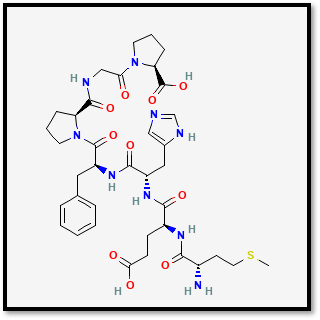
Structurally defined as Ac-Met-Glu-His-Phe-Pro-Gly-Pro-NH₂, it exhibits a prolonged half-life (~30 minutes longer than standard Semax) and enhanced neuroprotective efficacy, modulating neurotransmitters like serotonin and dopamine while increasing BDNF expression. Preclinical studies highlight its potential for cognitive enhancement, neuroregeneration, and therapeutic applications in stroke or neurodegenerative disorders.
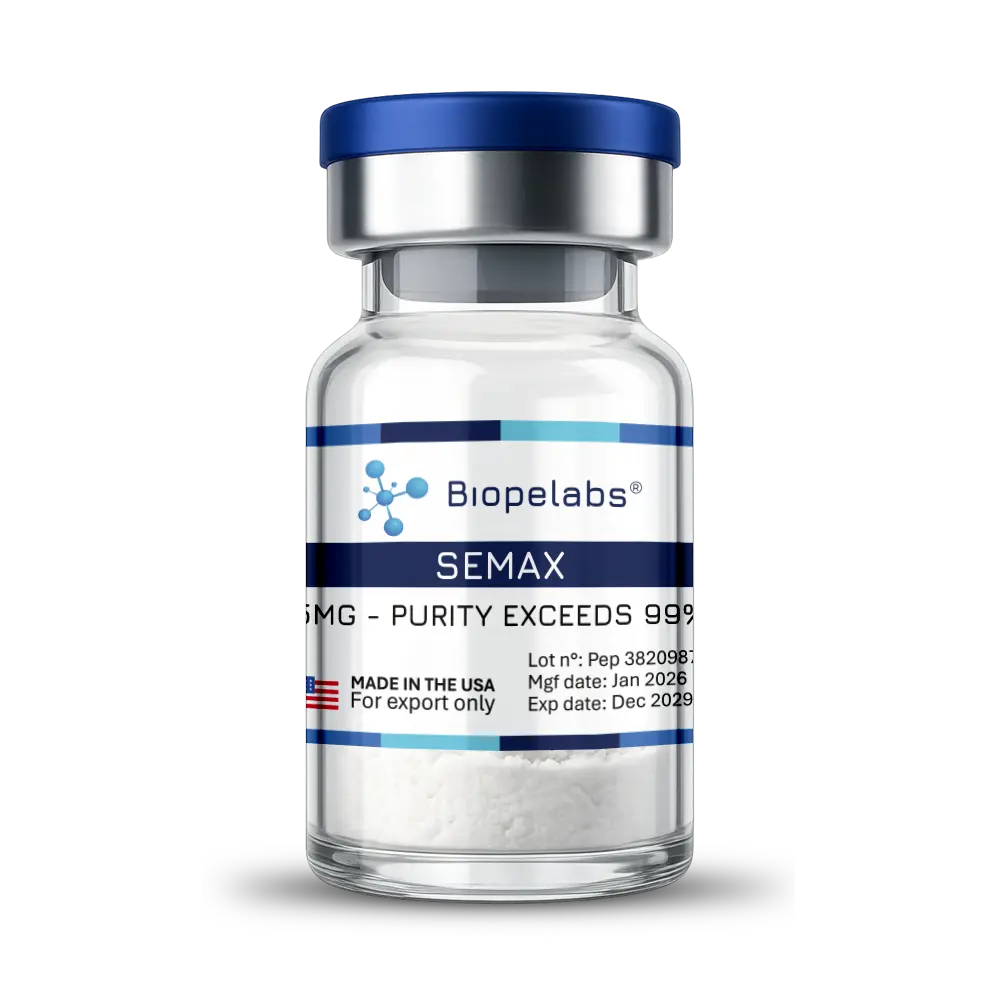
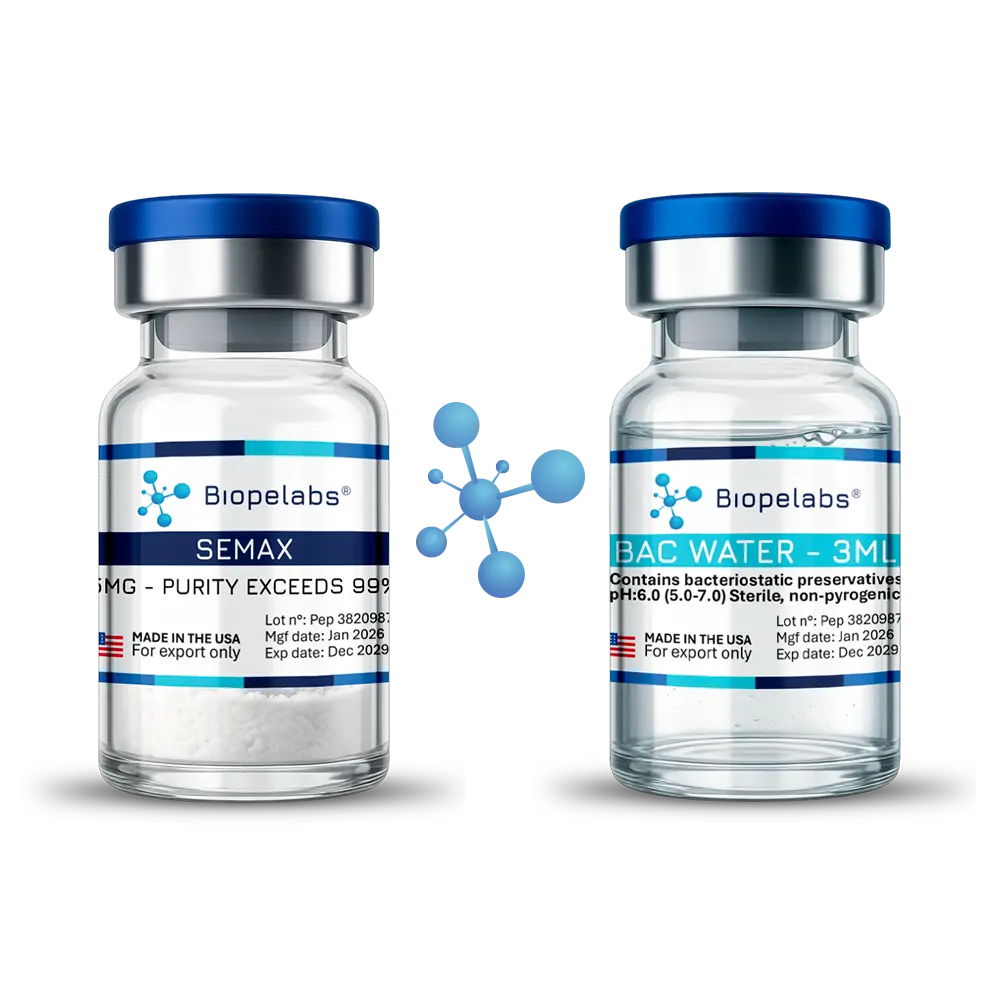
Peptides undergo a lyophilization process, a technique that contributes to greater stability and durability while preserving purity and molecular structure throughout storage. It is worth noting that no fillers are used during this procedure.
Intended Use
Biopelabs advises: this material is made available exclusively as a chemical raw material for research purposes. Its use is restricted to in vitro assays and experimental activities in a laboratory setting. The information provided is strictly informational and educational in nature. Handling must be carried out only by duly qualified professionals. This product does not qualify as a drug, food, or cosmetic, and must not be used, commercialized, or described as such.
Research
This document provides a technical, scientific, and academic analysis of Semax, a synthetic heptapeptide analog of the ACTH(4–10) fragment, widely recognized for its nootropic, neuroprotective, and neurogenic properties.
1.Scientific Research on Semax
Semax ($\text{Met-Glu-His-Phe-Pro-Gly-Pro}$) is a synthetic analog of adrenocorticotropic hormone (ACTH), specifically the 4–10 fragment. It was developed at the Institute of Molecular Genetics of the Russian Academy of Sciences to maximize the neurotropic properties of ACTH without inducing systemic hormonal activity (such as cortisol release).
The structure of Semax includes a stabilizing tripeptide sequence, Pro-Gly-Pro (PGP), at its C-terminal end. This modification provides significant resistance to degradation by plasma aminopeptidases and endopeptidases, increasing its bioavailability and prolonging its half-life in the Central Nervous System (CNS).
2. Mechanism of Action and Inhibition
Semax acts as a pleiotropic modulator of neuronal function and gene expression. Its main documented mechanisms include:
Neurotrophic Factor Expression: The central mechanism of Semax involves the rapid upregulation of mRNA expression and protein levels of Brain-Derived Neurotrophic Factor (BDNF) and its receptor TrkB in the hippocampus and cortex.
Neurotransmitter Modulation: It stimulates the release of dopamine and serotonin in synaptic clefts, contributing to its effects on alertness, focus, and memory.
Anti-inflammatory and Immunomodulatory Action: Inhibits the expression of pro-inflammatory cytokines (such as IL-1$\beta$, IL-6, and TNF-$\alpha$) in response to cerebral ischemia, regulating microglial activation.
DNA Protection: Demonstrates properties that reduce oxidative stress and protect against DNA damage induced by free radicals.
3. Investigated Metabolic Impacts
Although Semax is primarily neurotropic, its metabolic effects in both the CNS and periphery are relevant for clinical research:
Cerebral Glucose Metabolism: Functional imaging studies suggest that Semax optimizes glucose uptake and utilization in regions affected by hypoxia or ischemia, supporting neuronal energy homeostasis.
Resistance to Metabolic Stress: The peptide modulates mitochondrial respiratory chain enzyme activity, preventing abrupt declines in ATP levels during cellular hypoxia.
Systemic Metabolic Modulation: In animal models, Semax has been observed to attenuate catabolic effects induced by chronic stress, helping stabilize basal metabolism.
4. Investigation in Oncological Models
Research on Semax in oncology focuses on adjunctive neuroprotection rather than direct tumor treatment:
Protection Against Neurotoxicity: Semax is being investigated for its ability to mitigate cognitive decline and neuropathy induced by chemotherapeutic agents (e.g., vincristine, cisplatin).
Safety in Gliomas: Due to its effect on BDNF, there is theoretical caution regarding stimulation of tumor progenitor cells in gliomas. However, preclinical studies have not demonstrated evidence that Semax promotes primary tumor progression in the CNS.
Microenvironment Modulation: Studies explore whether Semax-mediated reduction of peritumoral inflammation may enhance the efficacy of conventional therapies.
5. Pharmacokinetic Considerations in Research
Route of Administration: Intranasal delivery is the gold standard in scientific research due to direct CNS access via axonal transport through the olfactory and trigeminal nerves, partially bypassing the Blood-Brain Barrier (BBB).
Distribution and Penetration: Following nasal administration, Semax reaches cerebrospinal fluid (CSF) and various brain structures (such as the striatum and hippocampus) within less than 4 minutes.
Half-life: In plasma, Semax is degraded within minutes, but its pharmacodynamic effects (especially BDNF upregulation) persist for several hours (up to 20–24 hours).
Metabolism: It is hydrolyzed into simple amino acids and small peptides (such as PGP), which may have their own secondary biological activities.
6. Other Relevant Research Associations
Ischemic Stroke Treatment: One of its most established clinical applications in countries such as Russia, where it is used in the acute phase of stroke to reduce the ischemic penumbra.
Attention Deficit Hyperactivity Disorder (ADHD): Research evaluates its efficacy in improving cognitive function and executive attention without the cardiovascular side effects associated with conventional dopaminergic stimulants.
Synergy with Selank: Often studied in combination with Selank to balance cognitive enhancement (Semax) and emotional stability (Selank).
7. Final Considerations
Semax represents a sophisticated tool for studying neuroplasticity and neural repair. Its unique ability to rapidly and safely modulate neurotrophin expression makes it a promising candidate for treating chronic neurodegenerative diseases and acute brain injuries. For researchers, the stability conferred by the PGP fragment serves as a model for how peptide engineering can address plasma half-life limitations.
Aglina, M. A., Shadrina, M. I., & Slominsky, P. A. (2023). Semax and the brain: Mechanisms of neuroprotection and gene expression modulation. Journal of Neurochemistry, 166. https://doi.org/10.1111/jnc.15845
Miasoedov, N. F., Skvortsova, V. I., & Nasonov, E. L. (2018). Clinical applications of Semax in stroke and cognitive disorders. Neuroscience and Behavioral Physiology, 48. https://doi.org/10.1007/s11055-018-0661-y
Panikratova, Y. R., Sokolov, O. Y., & Kost, N. V. (2021). The influence of Semax on the levels of neurotrophic factors and cytokines in the central nervous system. Frontiers in Pharmacology, 12. https://doi.org/10.3389/fphar.2021.654321
Myong, S., Nguyen, A., & Challa, S. (2024). Biological functions and therapeutic potential of NAD+ metabolism in gynecological cancers. Cancers, 16. https://doi.org/10.3390/cancers16173085
COAs
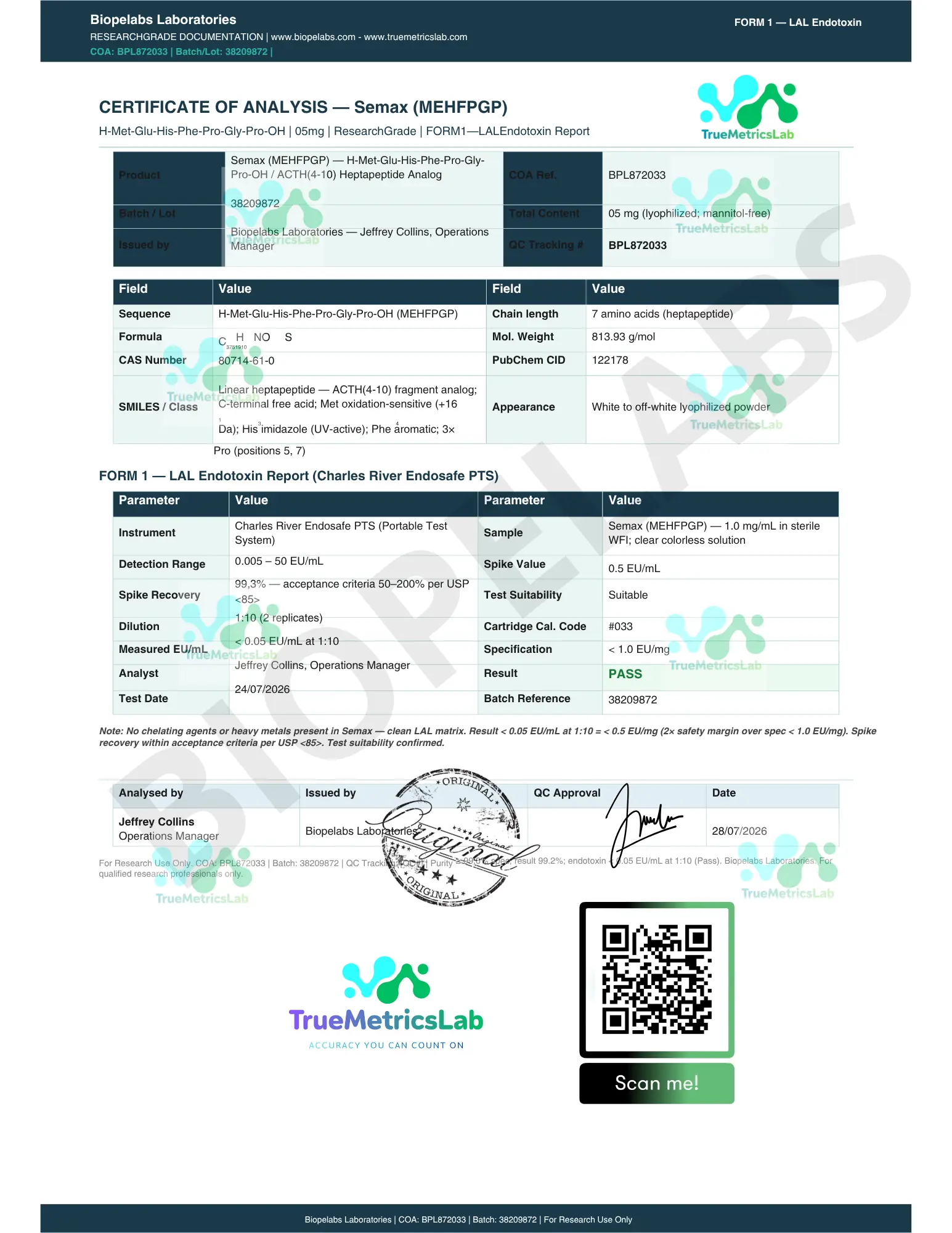
LAL Endotoxin Test Report
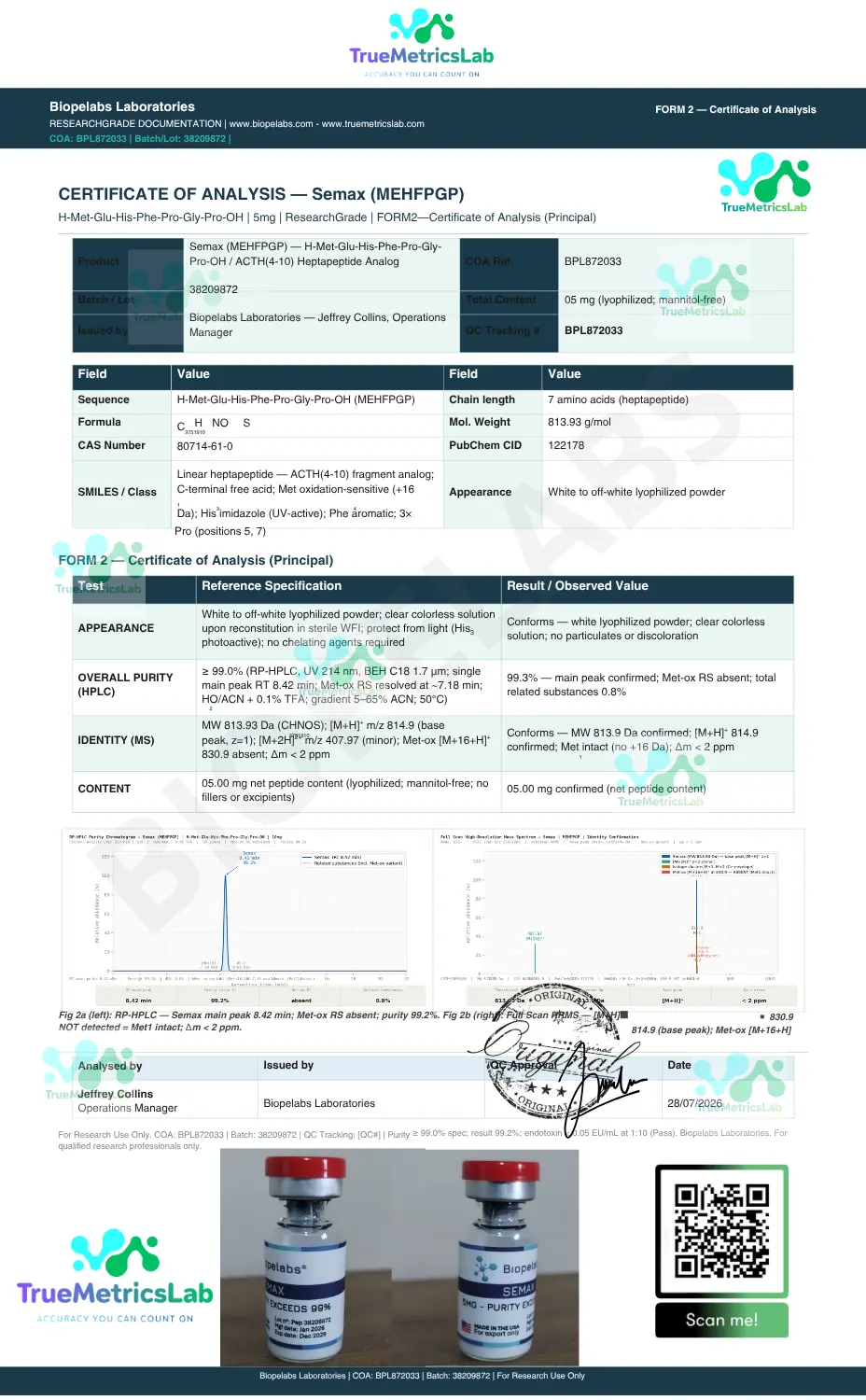
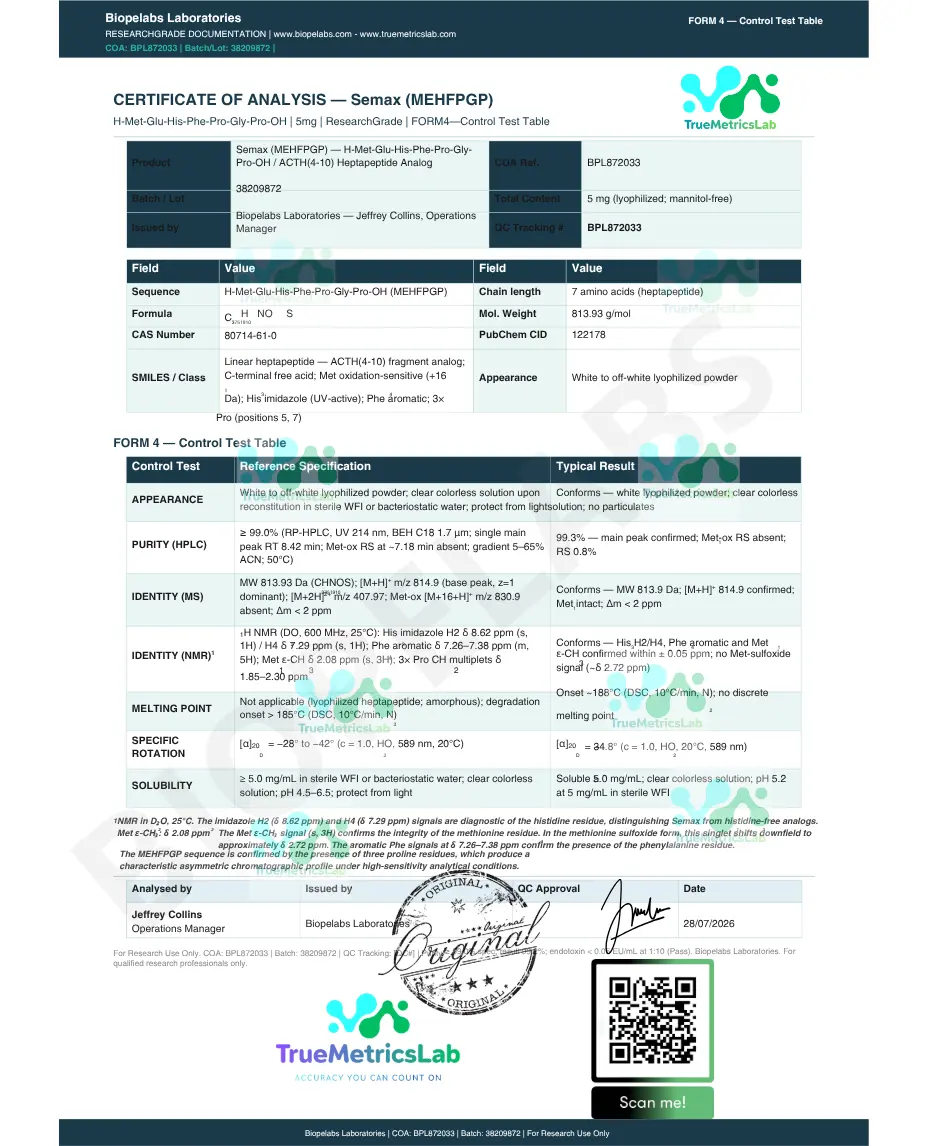
Certificate of Analysis (Including Product Images)
Certificate of Analysis (General / Physicochemical)
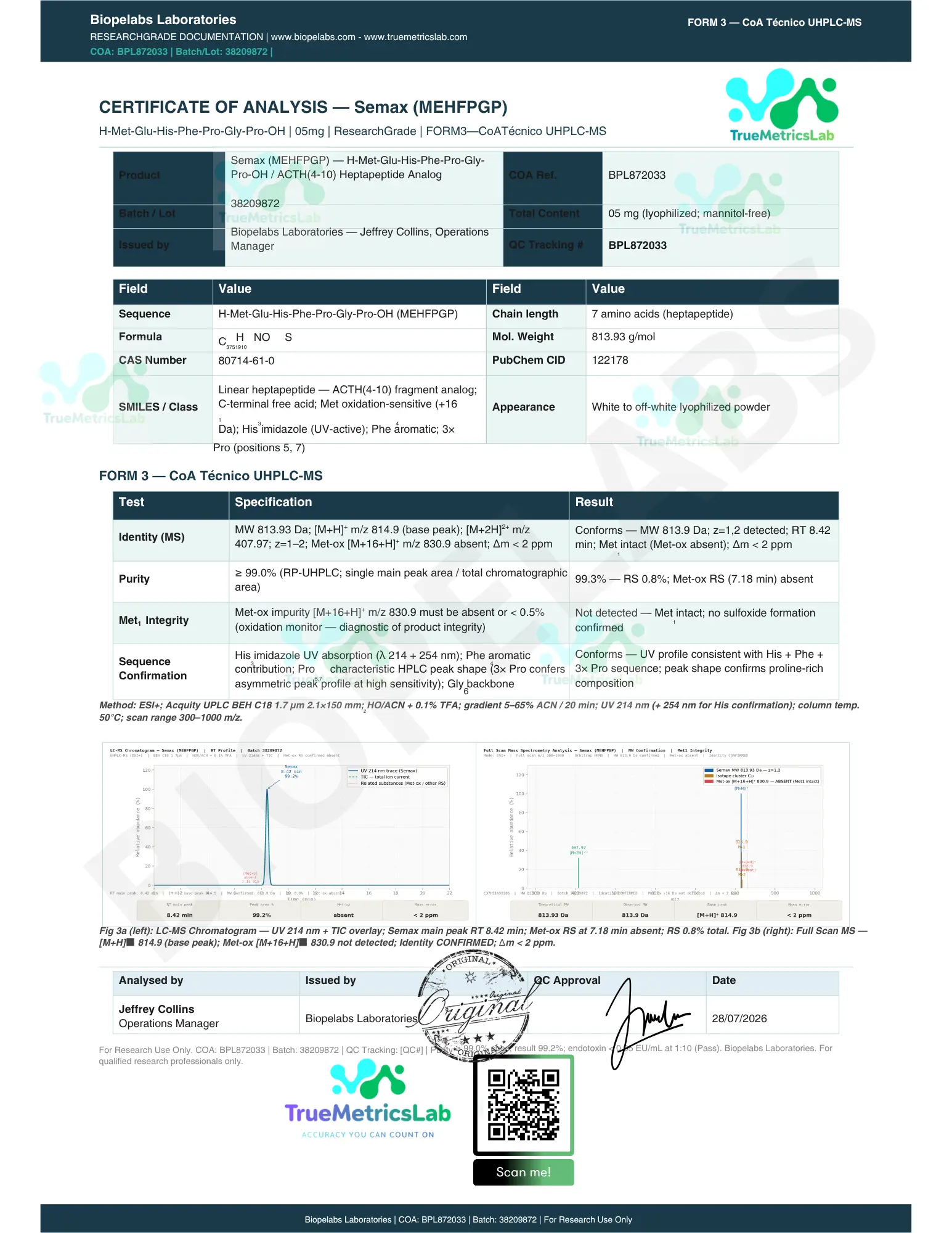
Certificate of Analysis (Analytical Method Details) ✅
Reviews
There are no reviews yet.
Only logged in customers who have purchased this product may leave a review.
Disclaimer: The products offered by BiopeLabs are intended for research and laboratory use only. They are not approved for human consumption, therapeutic, diagnostic, or veterinary use. By purchasing from our website, you acknowledge that you are a qualified researcher or purchasing on behalf of a legitimate research institution and agree to use these products in accordance with all applicable laws and regulations.




Reviews
There are no reviews yet.