Activates reproductive function / stimulates LH/FSH release from pituitary
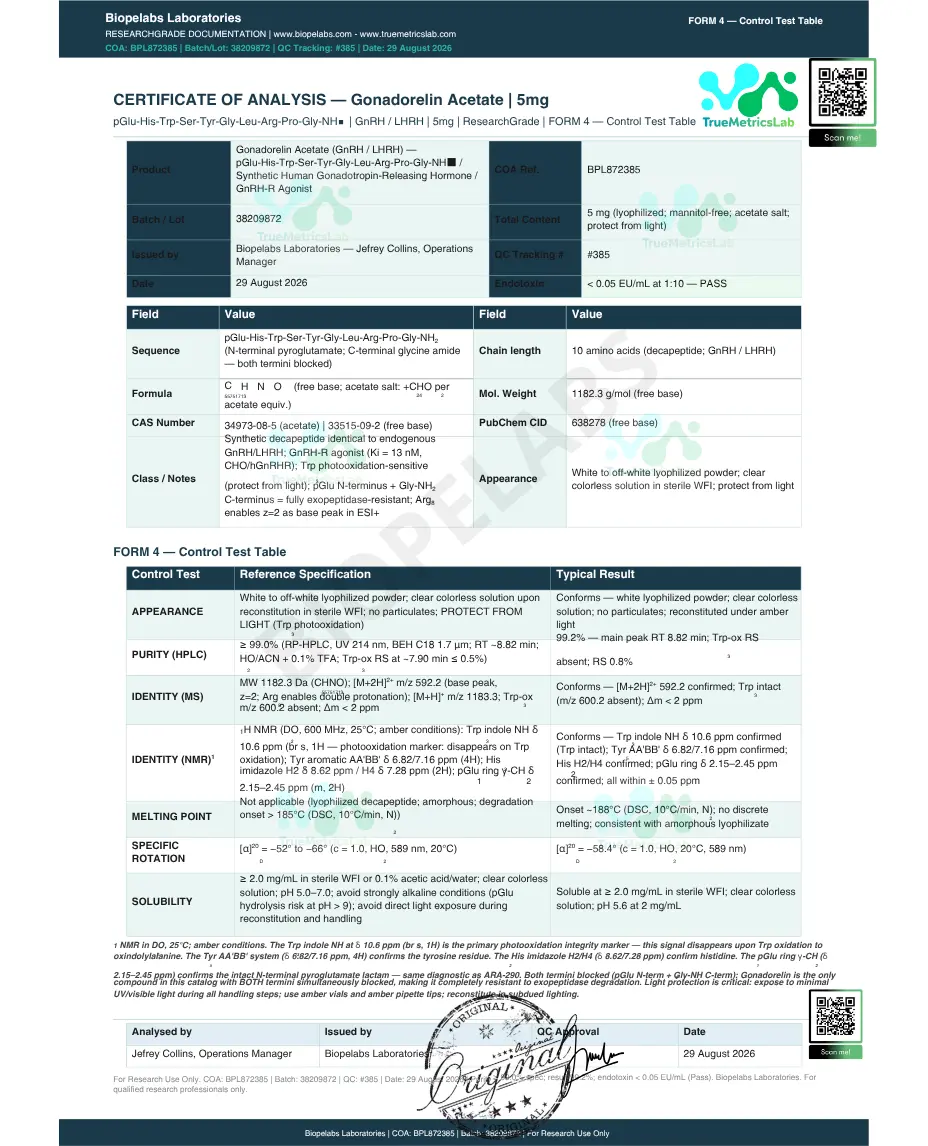
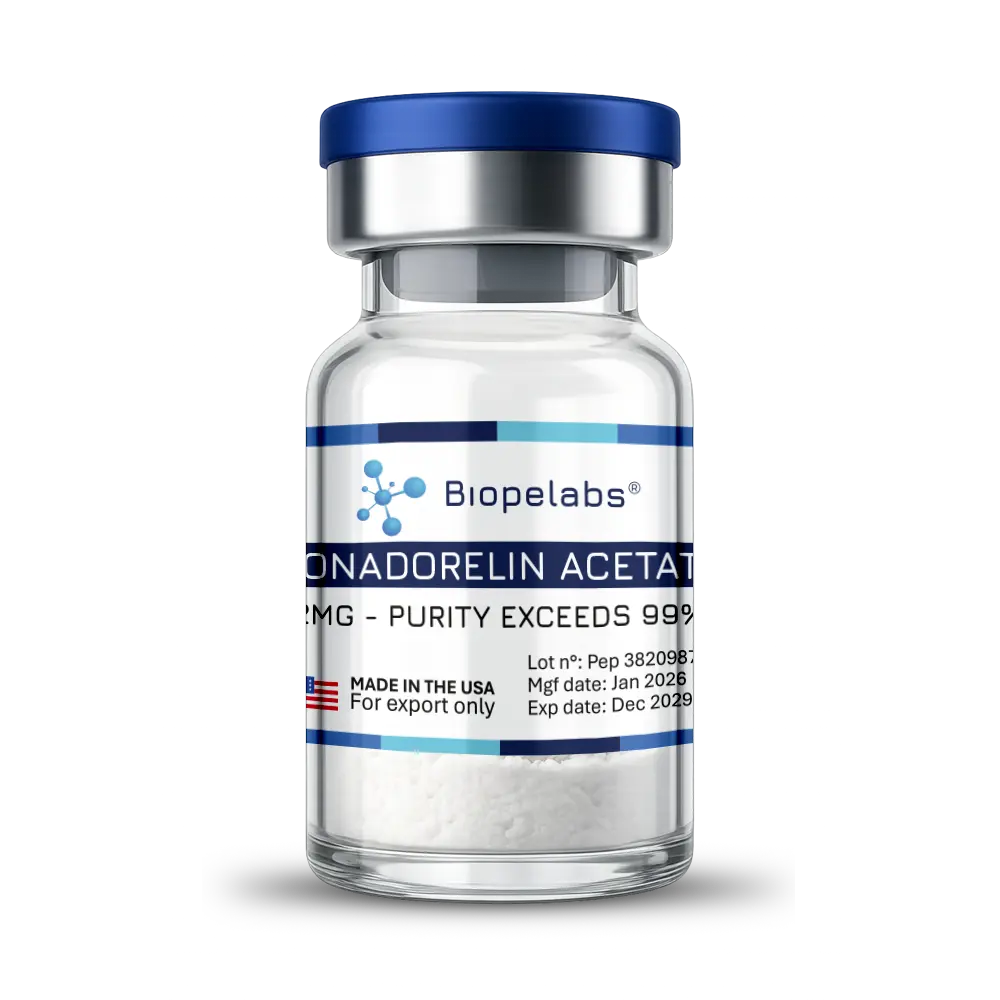
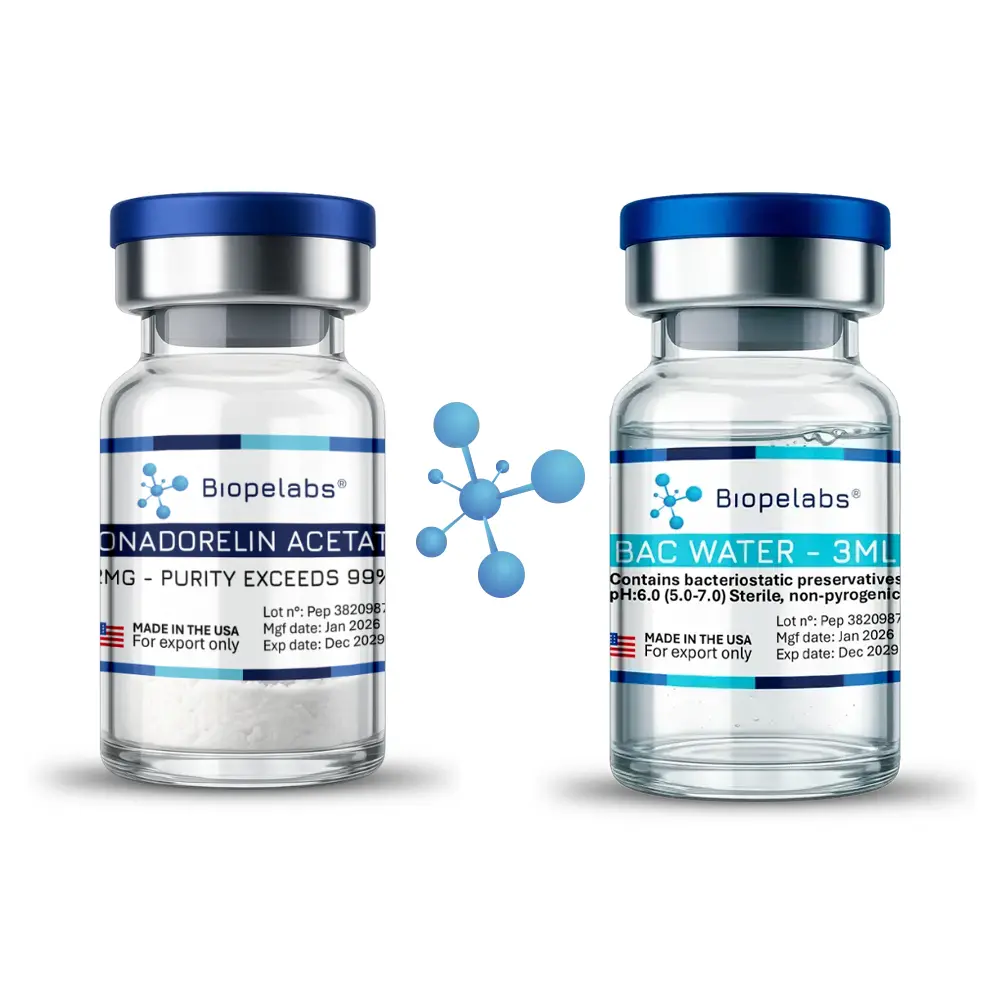
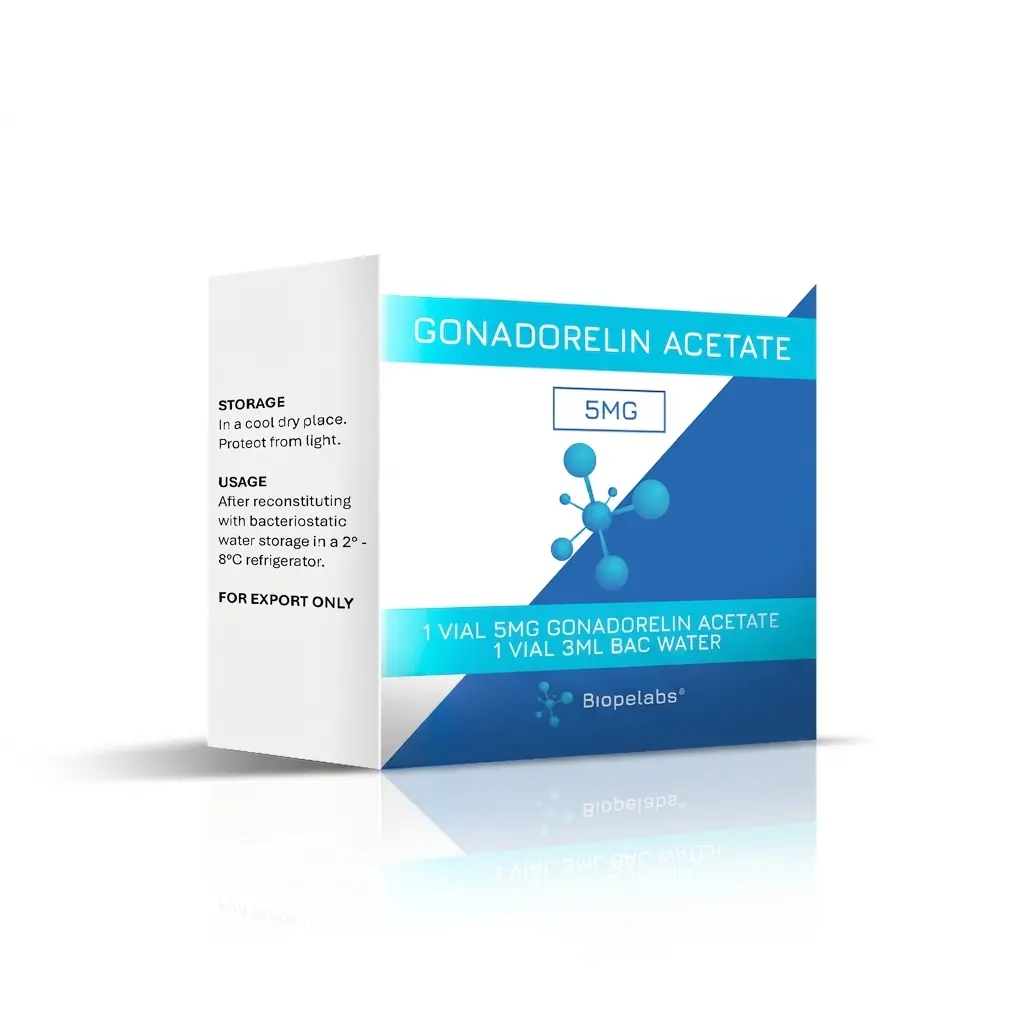
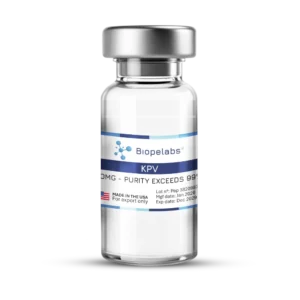
Gonadorelin Acetate is the acetate salt form of gonadorelin, a synthetic decapeptide identical to human gonadotropin-releasing hormone (GnRH). It acts as a central regulator of the hypothalamic-pituitary-gonadal axis, stimulating LH and FSH release from the anterior pituitary.
R$ 650,00
10 in stock
💡 Digite seu CEP para calcular automaticamente o frete e prazo de entrega
We accept USDT as our exclusive payment method, ensuring fast transactions, enhanced privacy, and efficient order processing.
Warning — For Research Use Only
Scientific content intended for research laboratories only. It is not a clinical, therapeutic, or diagnostic recommendation. Use is restricted to qualified professionals. Consult specialists before purchasing or using. Biopelabs reinforces its commitment to ethical and responsible use.
Discover Our Complete Catalog
Browse our full peptide catalog and explore additional compounds. Click any product to view its details and discover more research solutions.
Gonadorelin is a linear peptide composed of 10 amino acids, physiologically secreted by the hypothalamus in a pulsatile manner. In its acetate pharmaceutical form, the peptide exhibits enhanced stability and is widely used in clinical, diagnostic, and research contexts.
At the molecular level, gonadorelin binds to the GnRH receptor (GnRHR), a G-protein-coupled receptor located on anterior pituitary gonadotrope cells. This binding activates phospholipase C-dependent intracellular pathways, leading to increased intracellular calcium and secretion of LH and FSH.
Clinically and experimentally, gonadorelin is utilized for:
Evaluating pituitary function (GnRH stimulation tests);
Controlled ovulation induction;
Studying reproductive axis disorders;
Hormonal modulation when administered in pulsatile or continuous patterns (the latter potentially leading to receptor desensitization).
Gonadorelin acetate is described in official pharmacopeias and has established medical use in various countries.
Important Information
Property
Value
Molecular Formula
Base peptide:
Acetate salt:
Molecular Weight
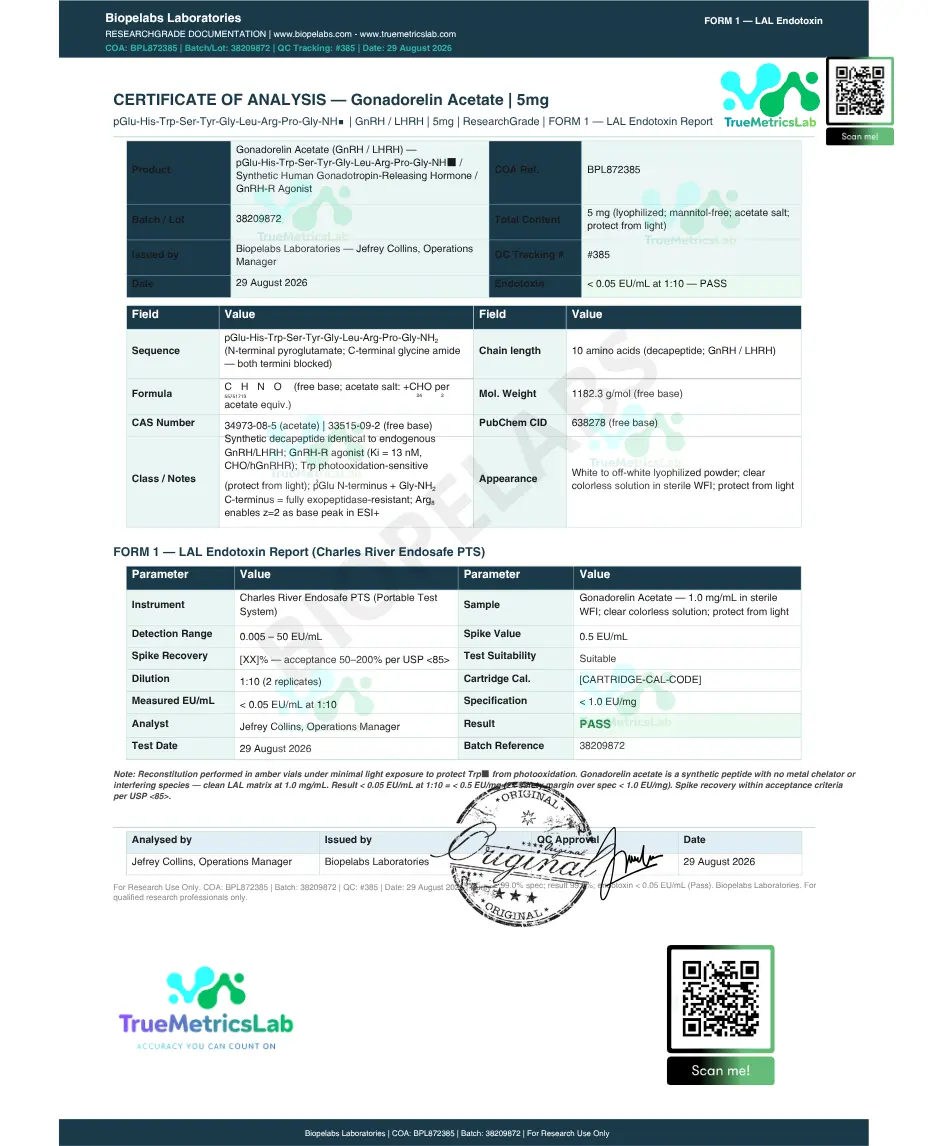
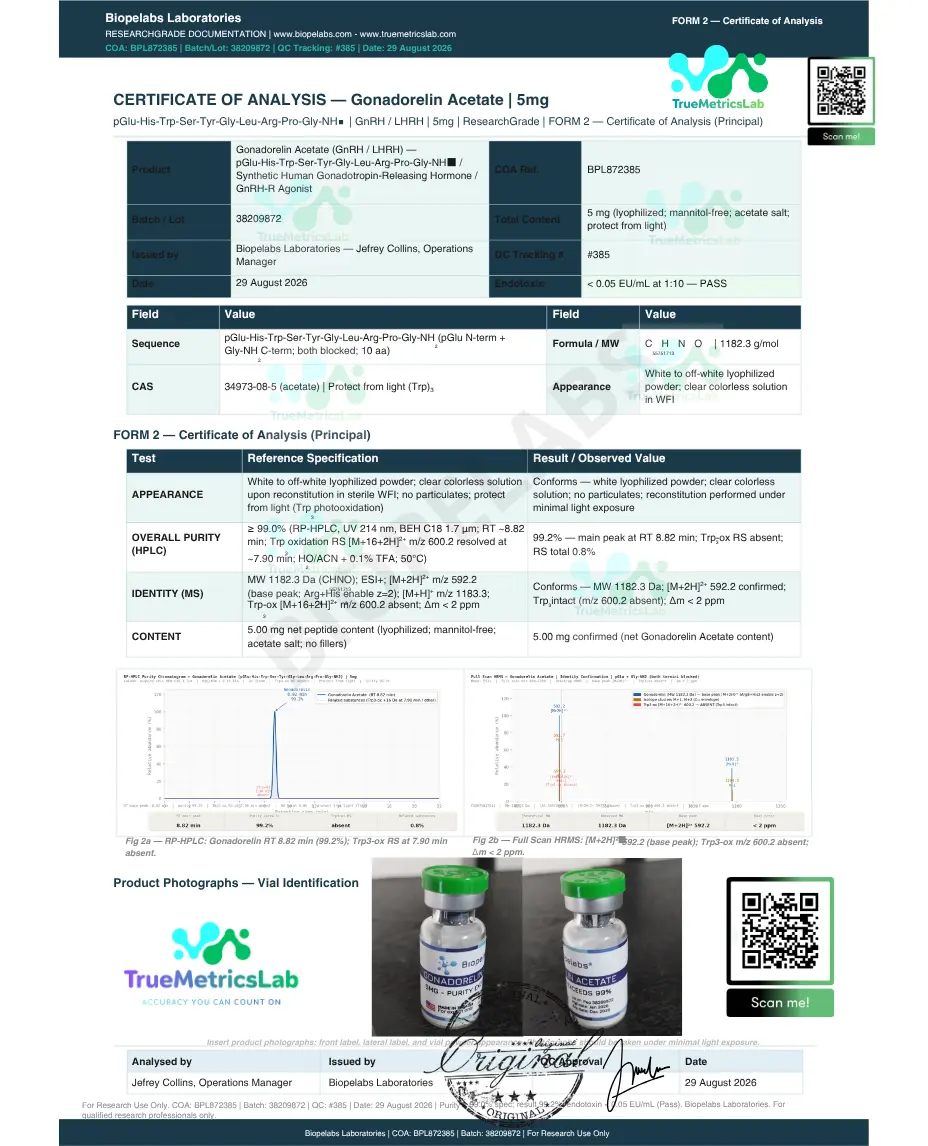
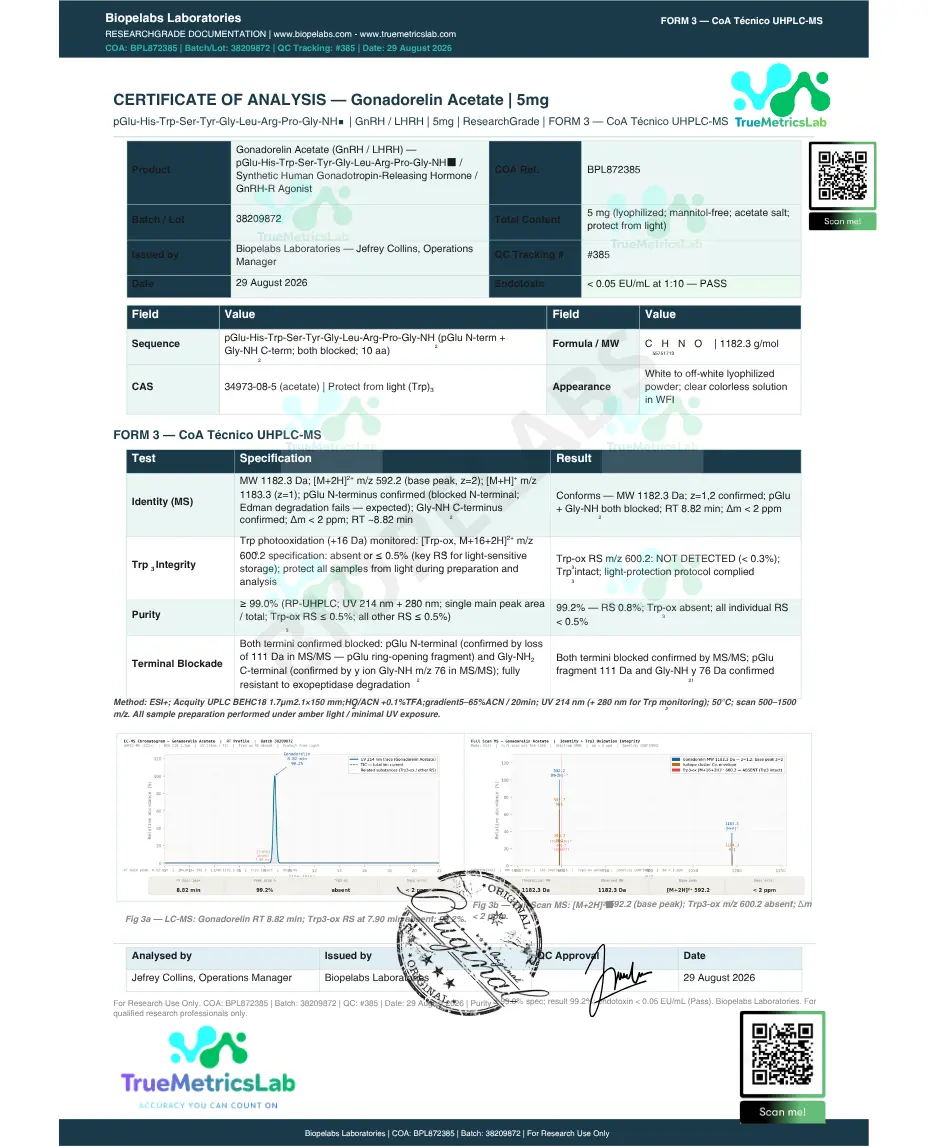
Gonadorelin (base): ≈ 1182.3 g/mol
Gonadorelin Acetate: ≈ 1242.3 g/mol (depending on salt stoichiometry)
Synonyms
Gonadorelin, GnRH, LHRH (Luteinizing Hormone-Releasing Hormone), Gonadotropin-Releasing Hormone, Factrel® (brand name in some countries), Gonadorelin monoacetate
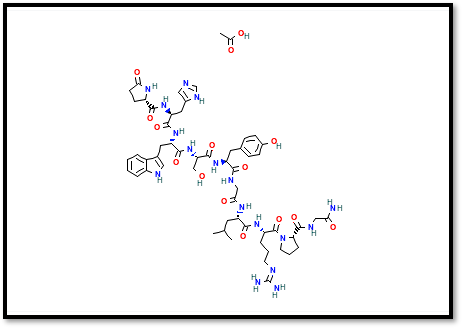
Main Structure of Gonadorelin Acetate Peptide
Source: PubChem
Lyophilized Peptides
Peptides undergo a lyophilization process, a technique that contributes to greater stability and durability while preserving purity and molecular structure throughout storage. It is worth noting that no fillers are used during this procedure.
Intended Use
Biopelabs advises: this material is made available exclusively as a chemical raw material for research purposes. Its use is restricted to in vitro assays and experimental activities in a laboratory setting. The information provided is strictly informational and educational in nature. Handling must be carried out only by duly qualified professionals. This product does not qualify as a drug, food, or cosmetic, and must not be used, commercialized, or described as such.
Research
Scientific Research on Gonadorelin Acetate
Gonadorelin acetate is the acetate salt of a synthetic decapeptide that has the same amino acid sequence as the endogenous Gonadotropin-Releasing Hormone (GnRH) (L-pyroglutamyl–L-histidyl–L-tryptophyl–L-seryl–L-tyrosyl–glycyl–L-leucyl–L-arginyl–L-prolyl–glycinamide). It is a key hypothalamic peptide for human reproduction. In research and clinical practice, it is used to assess and stimulate the function of the hypothalamic–pituitary–gonadal axis.
Mechanism of Action and Inhibition
The primary mechanism of action of gonadorelin is its binding to GnRH receptors (GnRHR) located on gonadotroph cells of the anterior pituitary.
Mechanism of Action: Binding to the G-protein–coupled receptor activates the phospholipase C pathway, leading to increased intracellular calcium. This stimulates the synthesis and pulsatile release of gonadotropins: Luteinizing Hormone (LH) and Follicle-Stimulating Hormone (FSH).
Inhibition and Desensitization: A critical aspect in research is the biphasic nature of the response. Pulsatile administration mimics natural physiology, whereas continuous administration of high doses results in down-regulation of the receptors and desensitization of pituitary cells. This ultimately inhibits LH and FSH secretion, leading to a subsequent decline in sex steroid levels.
Metabolic Impacts Investigated Scientifically
The metabolic effects of gonadorelin occur indirectly through modulation of gonadal hormones (testosterone and estradiol):
Bone metabolism: Upregulation of the hypothalamic axis supports the maintenance of bone mineral density through estrogen and androgen signaling.
Body composition: Increased testosterone production via LH stimulation is associated with increased muscle protein synthesis and regulation of lipolysis.
Glucose homeostasis: Research suggests that GnRH signaling may involve extra-pituitary receptors, potentially influencing insulin sensitivity, although this mechanism is still under active investigation.
Investigation in Oncological Models
Gonadorelin and its analogs are central to Endocrine Oncology.
Prostate cancer: The ability to induce chemical castration (through inhibition via desensitization after an initial stimulus) is used to deprive androgen-dependent tumor cells of testosterone, thereby reducing neoplastic proliferation.
Breast and endometrial cancer: In estrogen-responsive cancer models, suppressing the gonadotropic axis via GnRH analogs is investigated as a strategy for controlling tumor growth.
Specific Action of the Gonadorelin Peptide
The peptide’s most relevant specific action is the restoration and diagnosis of the hypothalamic–pituitary–gonadal axis. Unlike exogenous gonadotropins (e.g., hCG), gonadorelin acts at the “top” of the hormonal cascade. It is used in tests of pituitary reserve to distinguish hypothalamic (hypogonadotropic) hypogonadism from intrinsic pituitary failure.
Pharmacokinetic Considerations in Research
Absorption: It has an extremely short plasma half-life, ranging from approximately 2 to 10 minutes after intravenous or subcutaneous administration.
Distribution: The volume of distribution is relatively small, and plasma protein binding is low.
Metabolism and Excretion: It is rapidly hydrolyzed by plasma peptidases and excreted mainly via the kidneys as inactive metabolites (amino acid fragments). Because of its rapid degradation, research protocols often use pulsatile infusion pumps to maintain the biological effect.
Other Important Research Relationships
In research settings, gonadorelin is often compared with, or used together with:
Aromatase inhibitors: To study estrogen’s negative feedback on the hypothalamus.
Long-acting analogs (e.g., triptorelin, leuprolide): To compare the efficacy of pulsatile activation versus continuous suppression of the hormonal axis.
Concluding Remarks
Gonadorelin acetate remains the gold standard for understanding GnRH dynamics. Its usefulness goes beyond simple hormonal stimulation, serving as a molecular probe to study fertility disorders, pubertal maturation, and endocrine control mechanisms in hormone-dependent neoplasias.
References
Kasten, J. D., & Drigger, J. H. (2025). Gonadotropin-Releasing Hormone Agonists and Antagonists in Clinical Practice.Endocrine Reviews, 46. https://doi.org/10.1210/endrev/bnad040
Mccann, S. M., & Ojeda, S. R. (2023). The Gonadotropin-Releasing Hormone: Molecular Mechanisms and Research Applications.Journal of Neuroendocrinology, 35. https://doi.org/10.1111/jne.13251
Disclaimer: The products offered by BiopeLabs are intended for research and laboratory use only. They are not approved for human consumption, therapeutic, diagnostic, or veterinary use. By purchasing from our website, you acknowledge that you are a qualified researcher or purchasing on behalf of a legitimate research institution and agree to use these products in accordance with all applicable laws and regulations.




Reviews
There are no reviews yet.