

Discover Our Complete Catalog
Browse our full peptide catalog and explore additional compounds. Click any product to view its details and discover more research solutions.

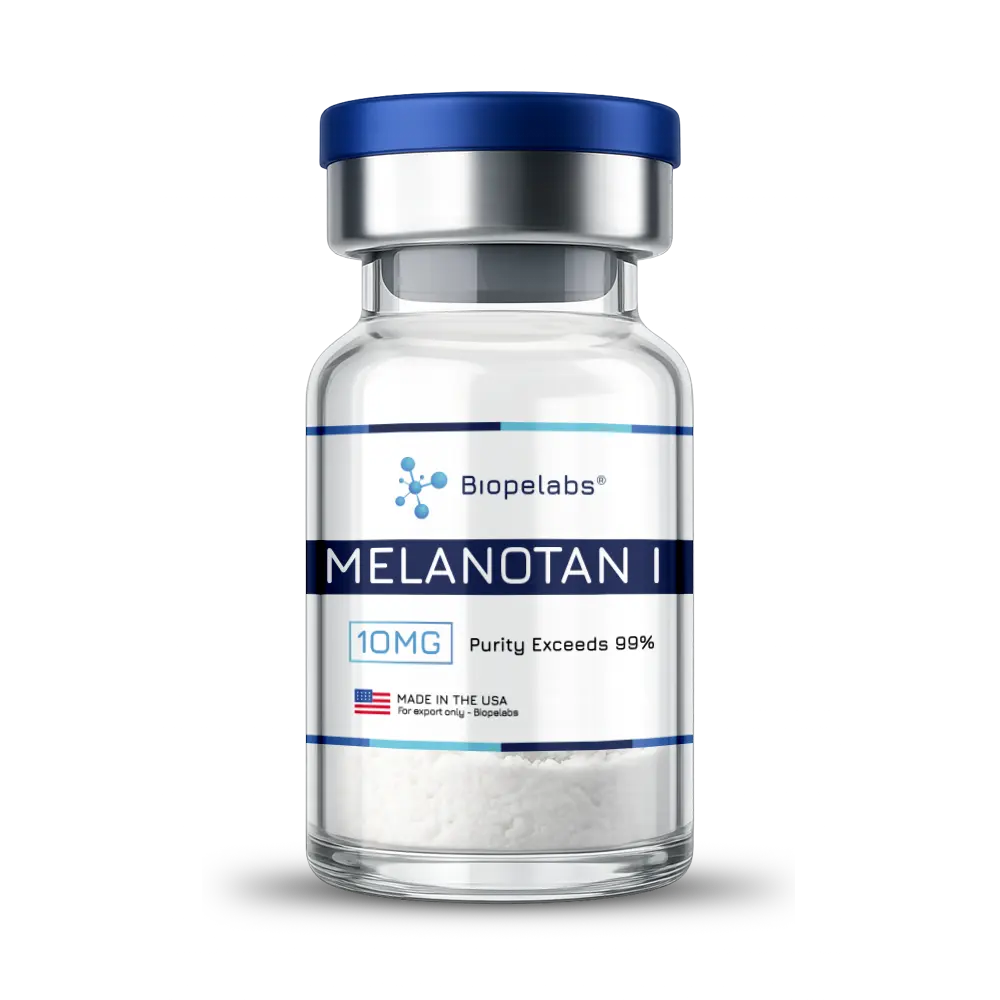
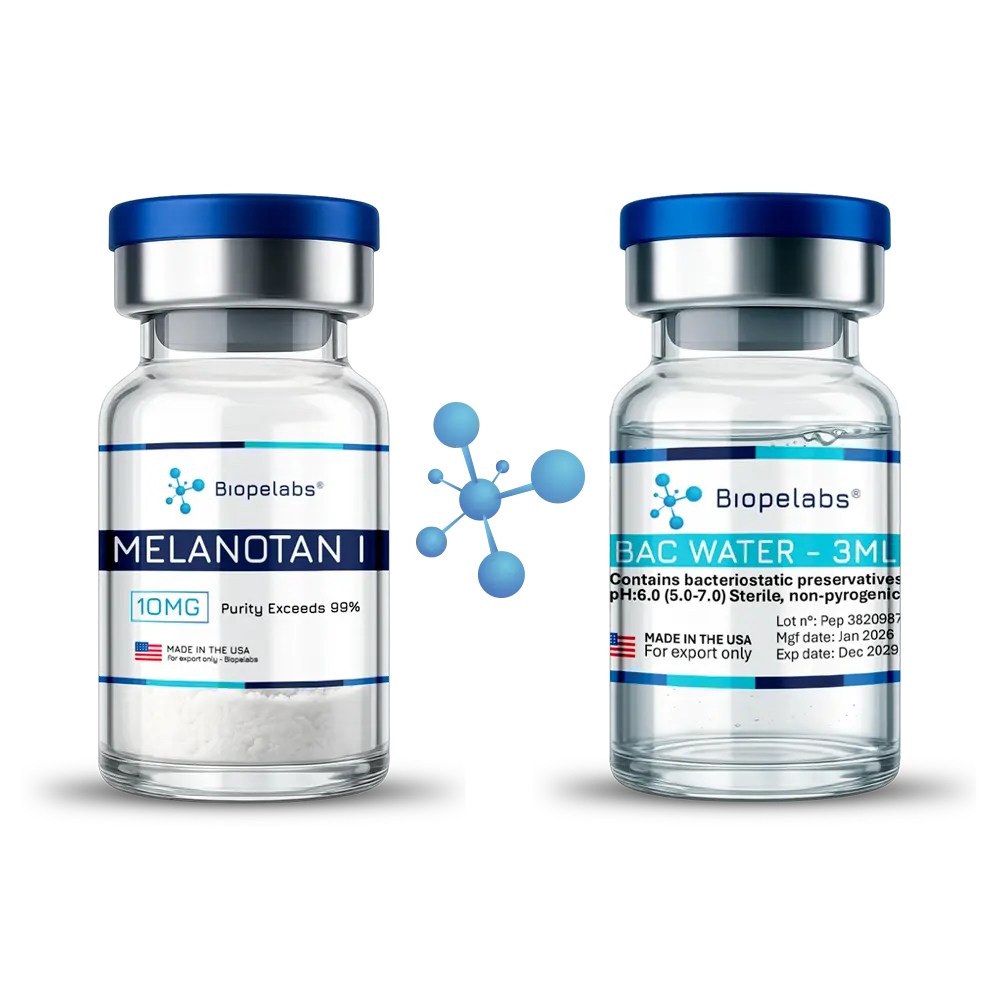
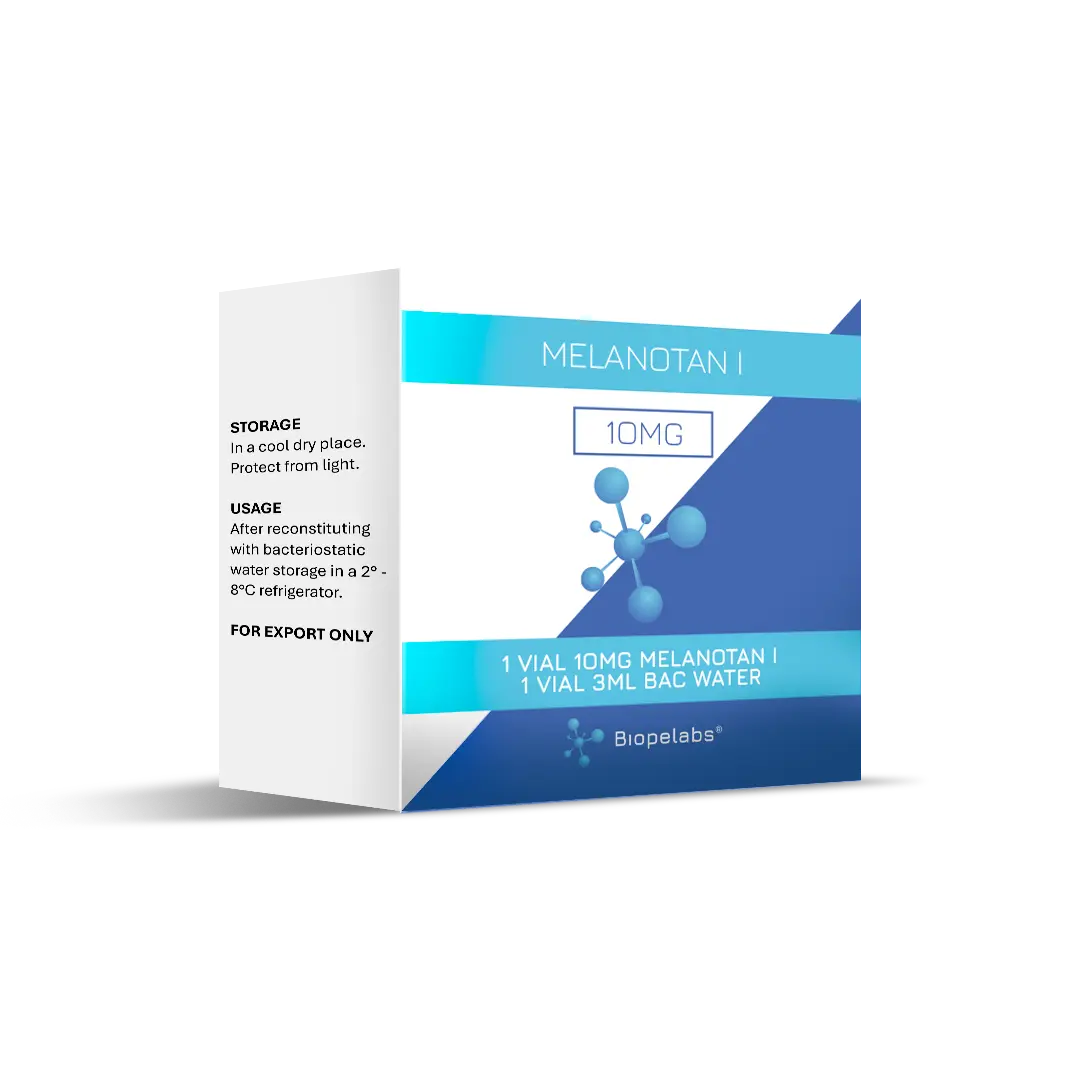
Melanotan I 10mg

Natural tan / stimulates gradual melanin Production

Melanotan-1 (also known as afamelanotide or [Nle⁴, D-Phe⁷]-α-MSH) is a synthetic analog of alpha-melanocyte-stimulating hormone (α-MSH). Melanotan-1 functions as a non-selective melanocortin receptor agonist, showing high affinity for the MC1 receptor. It is approximately 1,000 times more potent than natural α-MSH in stimulating melanogenesis.

R$ 690,00

5 in stock

💡 Digite seu CEP para calcular automaticamente o frete e prazo de entrega

We accept USDT as our exclusive payment method, ensuring fast transactions, enhanced privacy, and efficient order processing.

Warning — For Research Use Only

Scientific content intended for research laboratories only. It is not a clinical, therapeutic, or diagnostic recommendation. Use is restricted to qualified professionals. Consult specialists before purchasing or using. Biopelabs reinforces its commitment to ethical and responsible use.
Discover Our Complete Catalog
Browse our full peptide catalog and explore additional compounds. Click any product to view its details and discover more research solutions.

Description

Melanotan-1 (afamelanotide, melanotan-I) is a synthetic analog of alpha-melanocyte-stimulating hormone (α-MSH). This peptide hormone analog demonstrates activity on melanocortin receptors in laboratory studies.

Research indicates that Melanotan-1 binds to melanocortin-1 receptors (MC1R), stimulating melanogenesis pathways in melanocyte cell cultures. This receptor activation triggers melanin synthesis through the cyclic AMP signaling cascade. Studies show that the compound produces melanin without the need for UV exposure in in vitro melanocyte models.

This peptide is supplied strictly for in vitro research purposes in qualified laboratories. Researchers studying melanocortin biology and pigmentation mechanisms use Melanotan-1 in controlled experimental protocols to investigate cellular signaling pathways.

Melanotan-1 serves research laboratories studying:

  • Melanocortin receptor signaling pathways
  • Melanogenesis mechanisms in cell culture systems
  • Photoprotection pathways in dermal cell models
  • α-MSH analog interactions with MC1R
  • Pigmentation biology in controlled laboratory settings


Important Information

Properties Value
Molecular Formula C₇₈H₁₁₁N₂₁O₁₉
Molecular Weight 1646.8 g/mol
Synonyms Melanotan I, Melanotan-1, 75921-69-6, NDP-alpha-MSH, 4-Nle-7-phe-alpha-msh, MT1


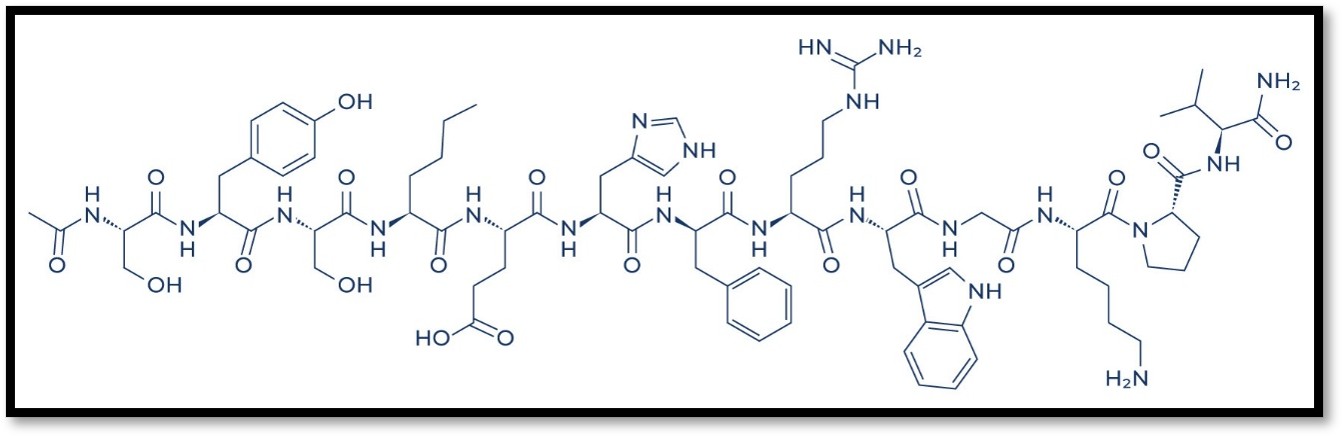
 Melanotan-1 Peptide Core Structure

Source: Científico

Lyophilized Peptides
The peptides undergo a lyophilization process, a technique that enhances stability and shelf life while preserving purity and molecular structure throughout storage. It is important to note that no fillers are used during this procedure.

Intended Use
Biopelabs states: this material is provided exclusively as a chemical input for research purposes. Its use is restricted to in vitro assays and experimental activities in laboratory settings. The information presented is strictly for informational and educational purposes. Handling must be carried out only by properly qualified professionals. This product is not classified as a drug, food, or cosmetic and must not be used, marketed, or described as such.

Research

Introductory comments on the peptide

Melanotan‑1, also designated afamelanotide or [Nle⁴, D‑Phe⁷]‑α‑MSH, is a synthetic analog of the natural hormone α‑MSH, belonging to the class of melanocortin peptides. The 13‑amino‑acid peptide differs from native α‑MSH by the substitution of methionine with norleucine at position 4 and the insertion of D‑phenylalanine at position 7, modifications that confer greater enzymatic stability and approximately 1000‑fold increased biological potency. Approved for clinical use in specific conditions such as erythropoietic protoporphyria (EPP), the compound is also widely employed as a research tool in melanogenesis, photoprotection, and tumor biology.


Mechanism of Action and Inhibition

The primary effect of Melanotan‑1 results from its action as an agonist of melanocortin receptors, with predominant affinity for the MC1R subtype expressed on the surface of melanocytes. Binding to MC1R activates the Gs subunit, which in turn stimulates adenylate cyclase, elevating intracellular cAMP levels and promoting protein kinase A (PKA) activation. This signaling cascade culminates in the phosphorylation and activation of the transcription factor MITF, which regulates the expression of central melanogenic genes, including tyrosinase, TRP‑1, and TRP‑2, resulting in increased eumelanin production. The peptide also interacts with other melanocortin receptor subtypes (MC3R, MC4R, and MC5R), although with lower affinity, which may mediate additional effects on processes such as energy homeostasis and sexual function. Proteolytic degradation of the peptide by serum enzymes constitutes the primary mechanism of inhibition of its action, with an estimated plasma half‑life of approximately 30 minutes.


Metabolic Impacts Scientifically Investigated to Date

Although the primary function of Melanotan‑1 is centered on skin pigmentation, experimental studies indicate additional relevant metabolic impacts:

  • Appetite modulation: Through activation of MC3R and MC4R, the peptide may influence hypothalamic pathways controlling food intake, reducing appetite and promoting weight loss in preclinical models.
  • Regulation of energy homeostasis: Interaction with MC4R, a key receptor in energy balance control, suggests a possible role for the peptide in modulating caloric expenditure and thermogenesis, although human data are limited.
  • Effects on the cardiovascular system: Activation of melanocortins may indirectly influence blood pressure and vascular function, although the precise mechanisms remain under investigation.


Investigations in Oncological Models

Melanotan‑1 has been extensively studied in the context of preventing ultraviolet radiation (UVR)-induced skin carcinogenesis. The increase in dermal eumelanin promoted by the peptide confers partial photoprotection, reducing UVR penetration and the formation of pyrimidine dimers in DNA, in addition to activating antioxidant and enzymatic repair pathways mediated by the MC1R receptor. In clinical trials, the compound demonstrated efficacy in reducing the incidence of actinic keratoses and squamous cell carcinomas in organ transplant recipients, a high‑risk population for these tumors. In parallel, the peptide has been used as an experimental tool to investigate the role of the MC1R pathway in regulating the tumor microenvironment and the antitumor immune response in melanomas. It is important to note, however, that case reports describe the emergence of dysplastic nevi and melanomas in association with unregulated use of α‑MSH analogs, although a direct causal relationship has not been firmly established.


Specific Action of the Melanotan‑1 Peptide

The most distinctive action of Melanotan‑1 is its ability to induce systemic photoprotection independently of UV radiation exposure. Through sustained stimulation of eumelanogenesis, the peptide elevates melanin density in the epidermis, increasing the capacity for absorption and dispersion of radiant energy. This property confers a physical and chemical barrier against UVR‑induced damage, reducing oxidative stress, inflammation, and skin mutagenesis, with potential application in the prophylaxis of photoinduced diseases, including phototoxicity in EPP, cutaneous lupus erythematosus, and sunburn. Unlike topical sunscreens, the photoprotective effect of Melanotan‑1 is systemic and prolonged, persisting for months after administration.


Pharmacokinetic Considerations in Research

Pharmacokinetic parameters of Melanotan‑1 have been evaluated in clinical and preclinical studies:

  • Absorption: The subcutaneous (SC) route has proven most effective for peptide administration, with rapid absorption and adequate bioavailability for melanogenic effects. Controlled‑release formulations, such as PLGA implants, maintain therapeutic levels for up to three months.
  • Distribution: Following SC administration, the peptide distributes systemically, with tropism for the skin and other tissues expressing melanocortin receptors. Conclusive data on its penetration into the central nervous system are lacking.
  • Metabolism: Melanotan‑1 is degraded by serum and tissue peptidases into inactive fragments, with a short plasma half‑life (approximately 30 minutes). Nevertheless, the pharmacodynamic effects persist for weeks to months, indicating that the signaling triggered by the peptide continues beyond its presence in the body.
  • Elimination: Metabolites resulting from degradation are excreted primarily via the renal route, with no evidence of toxic tissue accumulation.


Other Important Research Relationships

  • Relationship with Melanotan‑II: Although structurally similar, Melanotan‑I and Melanotan‑II differ in selectivity and side‑effect profiles. Melanotan‑II exhibits lower specificity for MC1R, interacting with higher affinity with MC3R and MC4R, which confers more pronounced orexigenic and pro‑erectile properties, but also a less favorable safety profile.
  • Synergism with UV radiation: Studies demonstrate that Melanotan‑1 can be safely combined with exposure to UV‑B light or sunlight, with a synergistic tanning response, allowing pigmentation to be achieved with lower radiation doses.
  • Potential use in pigmentation disorders: Preliminary investigations suggest that the peptide may be useful in treating conditions such as vitiligo and leukoderma, by stimulating repigmentation of areas affected by melanocyte loss.


Final Considerations

Melanotan‑1 represents a valuable tool in biomedical research, acting as a selective agonist of the MC1R receptor and an inducer of the melanogenesis pathway. Its action profile transcends mere cosmetic effects, encompassing applications in photoprotection, skin cancer chemoprevention, and modulation of cutaneous inflammatory processes. Although the approved formulation (afamelanotide) has demonstrated safety in controlled clinical trials, the dissemination of unregulated analogs imposes significant risks, including unpredictable adverse reactions and potential genotoxicity. Future studies should more precisely elucidate the epigenetic mechanisms underlying the prolonged action of the peptide and explore its therapeutic potential in other dermatological and metabolic conditions.


References

Ugwu, S. O., Blanchard, J., Dorr, R. T., Levine, N., Brooks, C. A., Hadley, M. E., Aickin, M., & Hruby, V. J. (1997). Skin pigmentation and pharmacokinetics of Melanotan‑I in humans. Biopharmaceutics & Drug Disposition, 18(3), 243–252. https://doi.org/10.1002/(SICI)1099-081X(199704)18:3<243::AID-BDD12>3.0.CO;2-6

Khavinson, V. K., & Malinin, V. (2005). Peptide regulation of gene expression and aging. Neuroendocrinology Letters, 26(1), 11–16.

Fabrikant, J., & Touloei, K. (2013). A review and update on melanocyte stimulating hormone therapy: afamelanotide. Journal of Drugs in Dermatology, 12(7), 775–779.

Habbema, L., Halk, A. B., & Neumann, M. (2017). Risks of unregulated use of alpha‑melanocyte‑stimulating hormone analogues: a review. International Journal of Dermatology, 56(10), 975–980. https://doi.org/10.1111/ijd.13585

ChemicalBook. (2023). Melanotan 1: mechanisms of action, clinical applications and safety. https://www.chemicalbook.cn/article/melanotan-1-mechanisms-of-action-clinical-applications-and-safety.htm
COAs

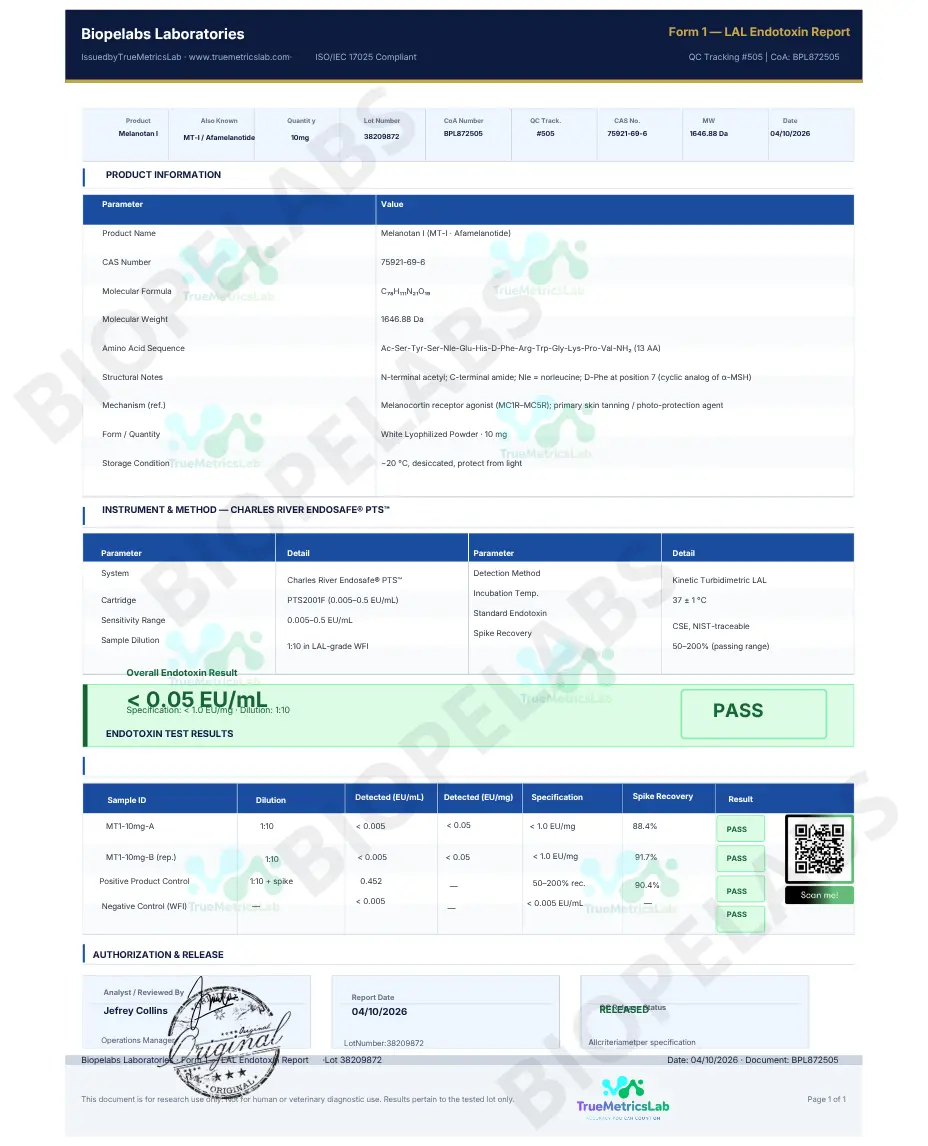
LAL Endotoxin Test Report

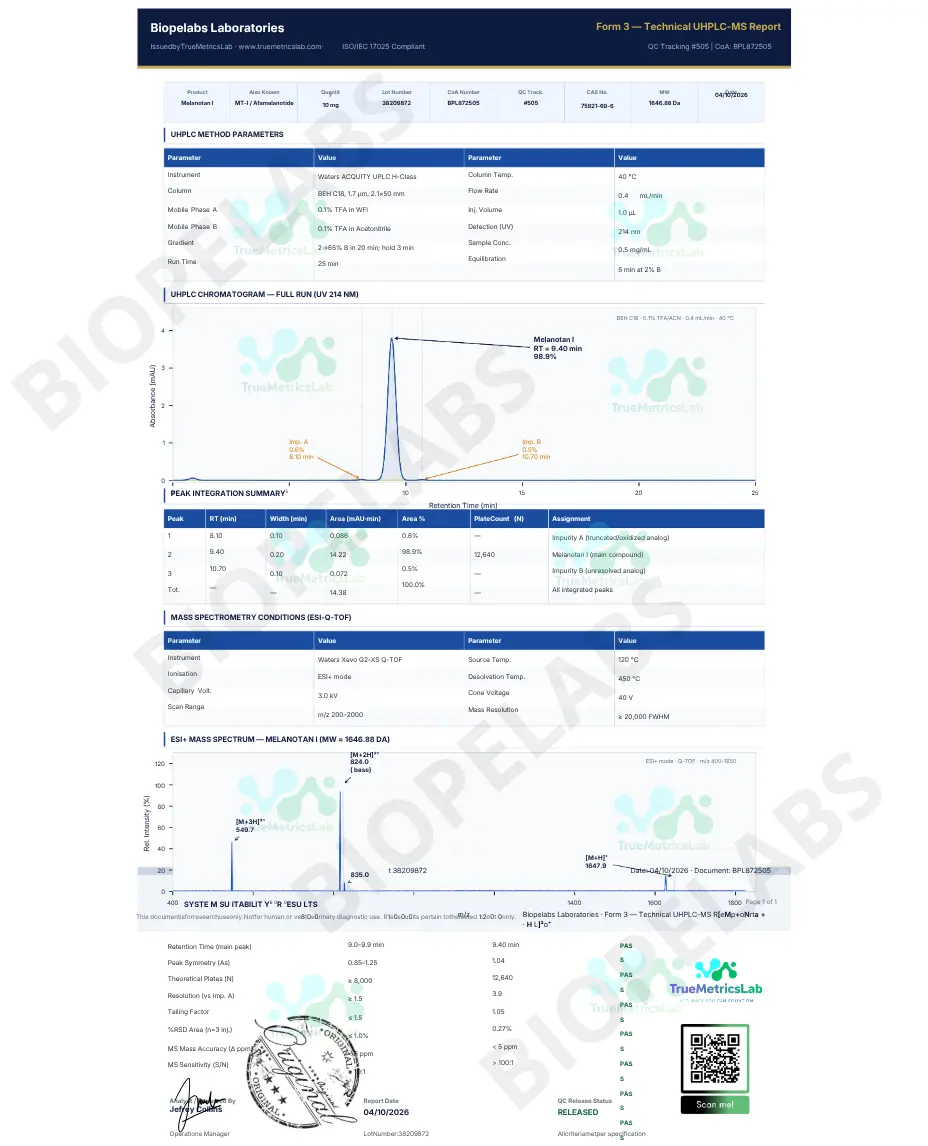
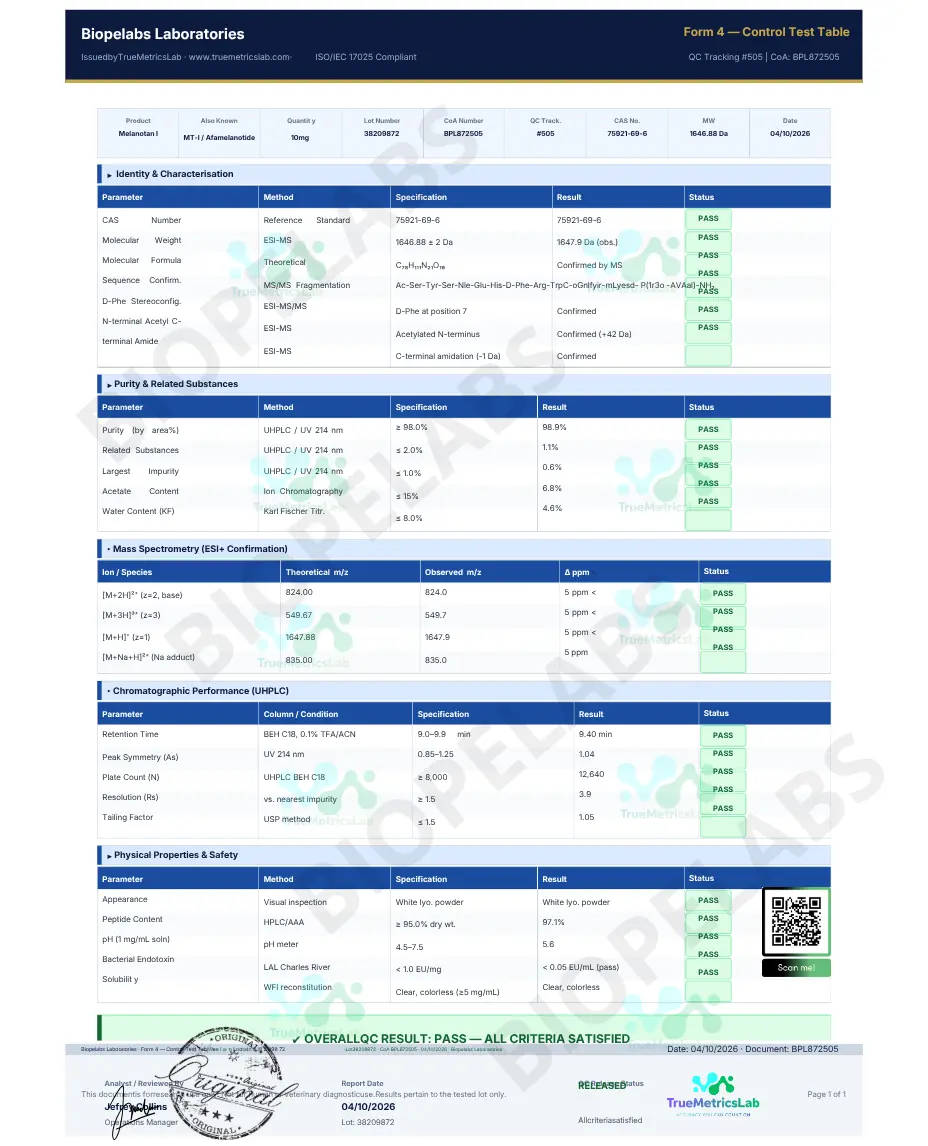
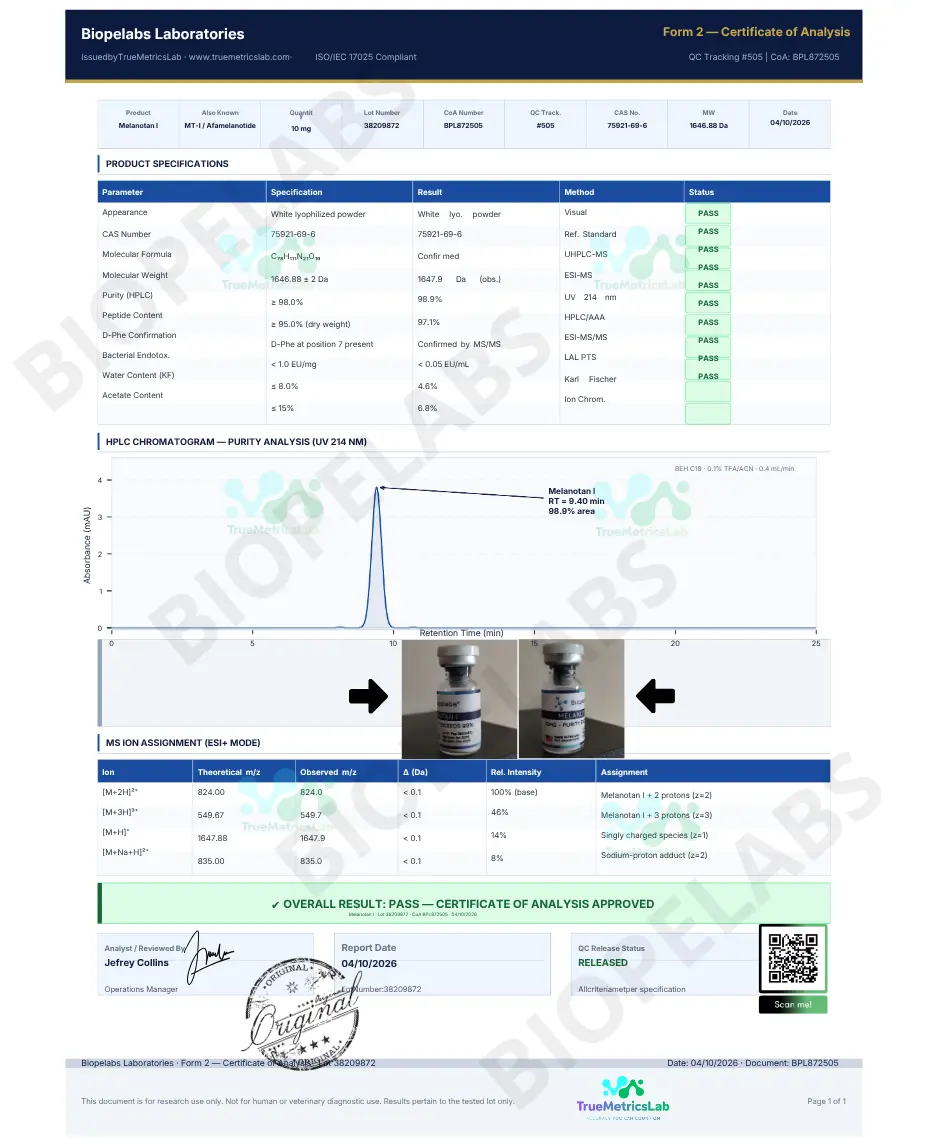
Certificate of Analysis (Including Product Images)

Certificate of Analysis (General / Physicochemical)

Certificate of Analysis (Analytical Method Details) ✅

Reviews

There are no reviews yet.

Only logged in customers who have purchased this product may leave a review.

Additional information

Weight 40 g
Dimensions 7 × 3,6 × 8 cm

Disclaimer: The products offered by BiopeLabs are intended for research and laboratory use only. They are not approved for human consumption, therapeutic, diagnostic, or veterinary use. By purchasing from our website, you acknowledge that you are a qualified researcher or purchasing on behalf of a legitimate research institution and agree to use these products in accordance with all applicable laws and regulations.

Peptides Catalog

1: 5-Amino-1MQ 10mg
2: 5-Amino-1MQ 50mg
3: ACE-031 1mg
4: ACTH 1-39 5mg
5: Adamax 5mg
6: Adamax 10mg
7: AHK-Cu 50mg
8: AICAR 50mg
9: AICAR 100mg
10: AOD-9604 5mg
11: AOD-9604 10mg
12: Alprostadil 20mcg
13: Amylin 5mg
14: Angiotensin (1–7) 5mg
15: ARA-290 10mg
16: Bimagrumab 5mg
17: Botulinum Toxin 100IU
18: BPC-157 10mg
19: BPC-157 20mg
20: BPC-157 5mg + TB-500 5mg
21: BPC-157 10mg + TB-500 10mg
22: Bronchogen 20mg
23: Cagrilintide 10mg
24: Cagrilintide 20mg
25: Cardiogen 20mg
26: Cartalax 20mg
27: CBL-514 10mg
28: CBL-514 20mg
29: CBL-514 30mg
30: Cerebrolysin 60mg
31: Cerlankin 2mg
32: CGRP (Calcitonin Gene-Related Peptide) 1mg
33: CJC-1295 with DAC 5mg
34: CJC-1295 with DAC 10mg
35: CJC-1295 with DAC 5mg + Ipamorelin 5mg
36: CJC-1295 without DAC 5mg
37: CJC-1295 without DAC 10mg
38: CJC-1295 without DAC 5mg + Ipamorelin 5mg
39: Chonluten 20mg
40: Cortagen 20mg
41: Crystagen 20mg
42: CT-1 Cardiotrophin-1 5mg
43: Dermorphin 5mg
44: Dihexa 5mg
45: DSIP 5mg
46: Dulaglutide 5mg
47: Elabela Apelin 5mg
48: Enfuvirtide 90mg
49: Epithalon 5mg
50: Epithalon 40mg
51: Epithalon 50mg
52: EPO 3000IU
53: FGF21 10mg
54: Follistatin-344 1mg
55: FOXO4 10mg
56: GHK-Cu 50mg
57: GHK-Cu 100mg
58: Ghrelin 10mg
59: GHRP-2 5mg
60: GHRP-6 5mg
61: Glucagon 1mg
62: Glutathione 1500mg
63: Gonadorelin Acetate 5mg
64: Goserelin 10mg
65: GLOW BPC-157 10mg + GHK-Cu 50mg + TB-500 10mg
66: HGH 191AA 15IU
67: HGH 191AA 36IU
68: HGH Fragment 176-191 10mg
69: HGH Fragment 176-191 15mg
70: HMG (Human Menopausal Gonadotropin) 75IU
71: Humanin 10mg
72: Hyaluronic Acid 5mg
73: Hexarelin Acetate 2mg
74: Hexarelin Acetate 5mg
75: IGF-1 LR3 1mg
76: Ipamorelin 5mg
77: Ipamorelin 10mg
78: Kisspeptin-10 5mg
79: Kisspeptin-10 10mg
80: KLOW BPC-157 10mg + GHK-Cu 50mg + TB-500 10mg + KPV 10mg
81: KPV 10mg
82: Leuprolide Acetate 10mg
83: Liraglutide 5mg
84: Livagen 20mg
85: LL-37 5mg
86: Lysyl Oxidase 30mg
87: Matrixyl 10mg
88: Mazdutide 10mg
89: Melanotan I 10mg
90: Melanotan II 10mg
91: Melatonin 10mg
92: MGF 2mg
93: MOTS-c 10mg
94: MOTS-c 40mg
95: NAD+ 100mg
96: NAD+ 500mg
97: NAD+ 1000mg
98: Nesiritide 5mg
99: Neuropeptide Y (NPY) 10mg
100: Ovagen 20mg
101: Oxytocin Acetate 5mg
102: Oxytocin Acetate 10mg
103: P21 5mg
104: P21 10mg
105: PACAP 5mg
106: Pancragen 20mg
107: PE 22-28 10mg
108: PEG-MGF 2mg
109: Pinealon 5mg
110: Pinealon 10mg
111: Pinealon 20mg
112: PNC-27 5mg
113: PNC-27 10mg
114: Prostamax 20mg
115: PT-141 10mg
116: PTH Fragments 10mg
117: Relamorelin 5mg
118: Retatrutide 10mg
119: Retatrutide 20mg
120: Retatrutide 30mg
121: Retatrutide 40mg
122: Retatrutide 60mg
123: Retatrutide 5mg + Cagrilintide 5mg
124: Selank 5mg
125: Selank 10mg
126: Semaglutide 5mg + Cagrilintide 5mg
127: Semax 5mg
128: Semax 10mg
129: Sermorelin 5mg
130: Sermorelin 10mg
131: SLU-PP-332 10mg
132: SNAP-8 10mg
133: SS-31 10mg
134: SS-31 50mg
135: Survodutide 10mg
136: TB-500 5mg
137: TB-500 10mg
138: TB-500 (FRAG) 10mg
139: Teduglutide 5mg
140: Teriparatide 10mg
141: Tesamorelin 5mg
142: Tesamorelin 10mg
143: Tesamorelin 20mg
144: Tesamorelin 5mg
145: Tesofensine 1mg
146: Testagen 20mg
147: Thymalin 10mg
148: Thymosin Alpha-1 5mg
149: Thymosin Alpha-1 10mg
150: Treprostinil 5mg
151: Vesugen 20mg
152: VIP 5mg
153: VIP 10mg
154: Vilon 20mg

Fill out the form