Discover Our Complete Catalog
Browse our full peptide catalog and explore additional compounds. Click any product to view its details and discover more research solutions.

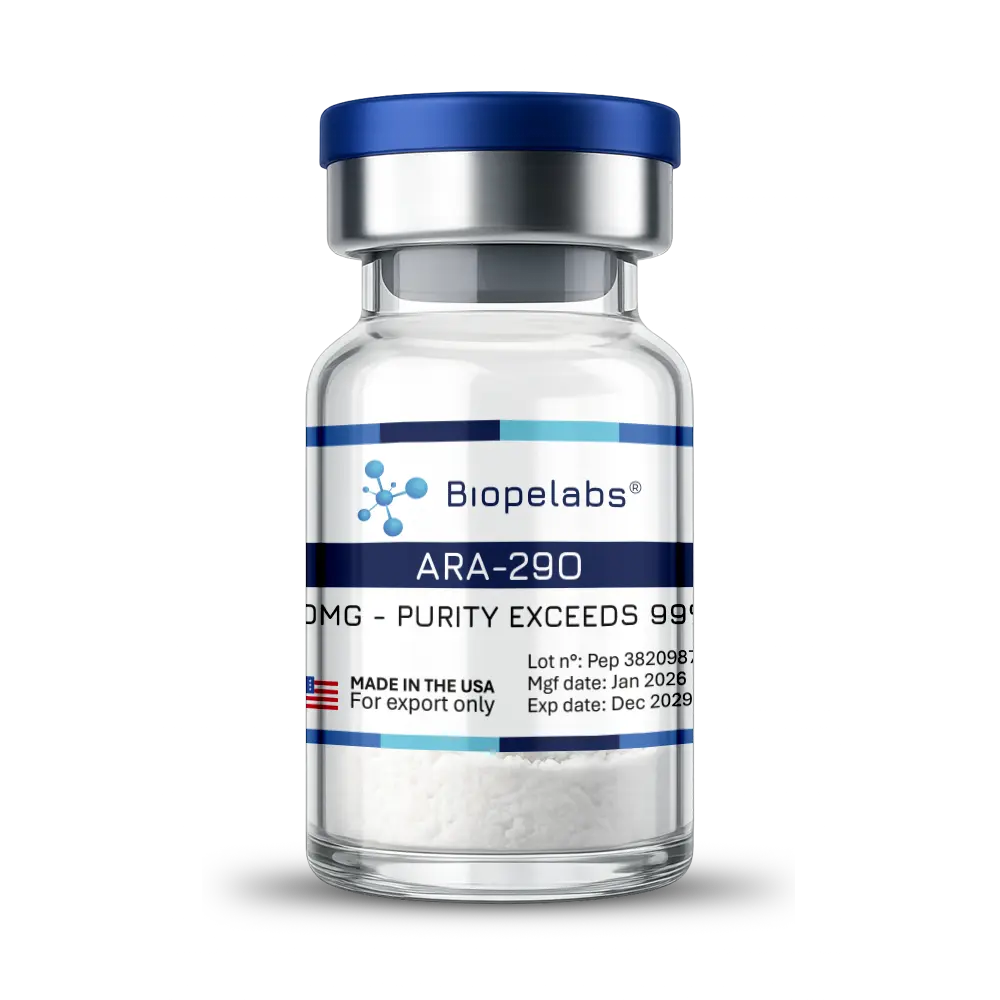
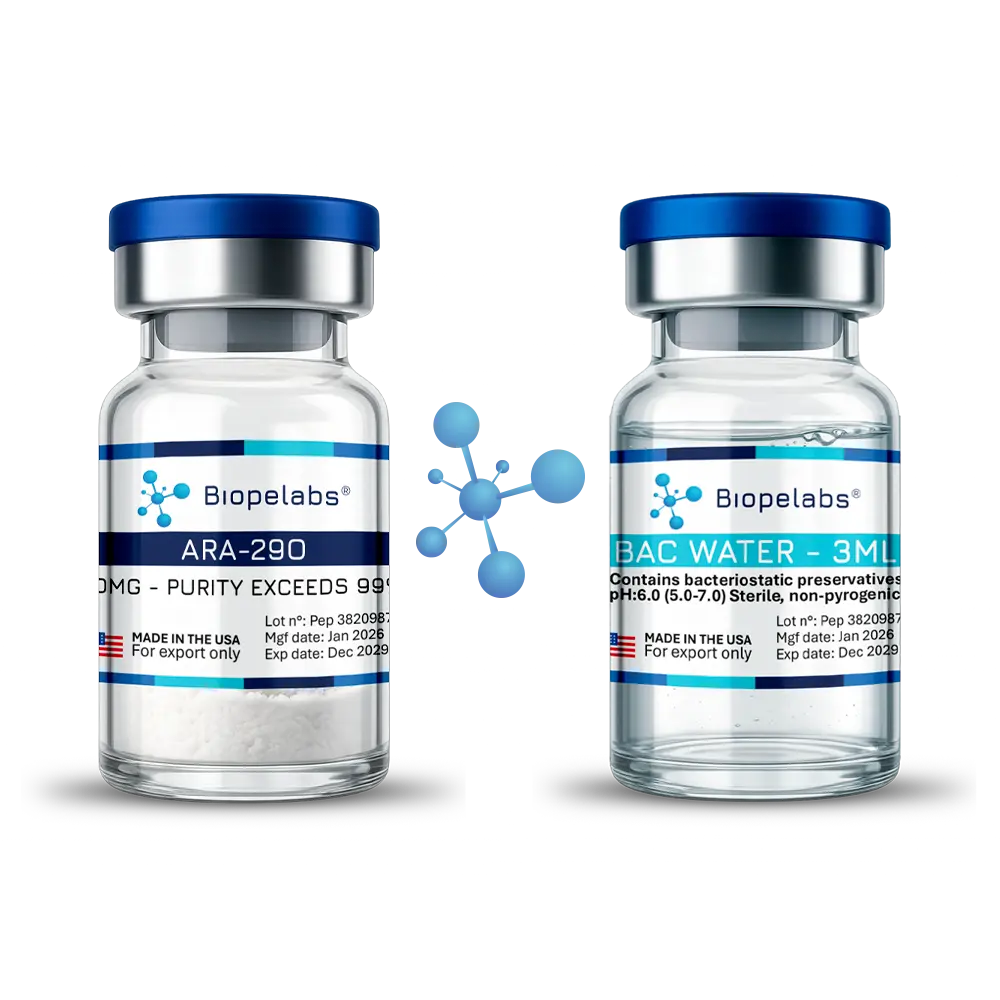
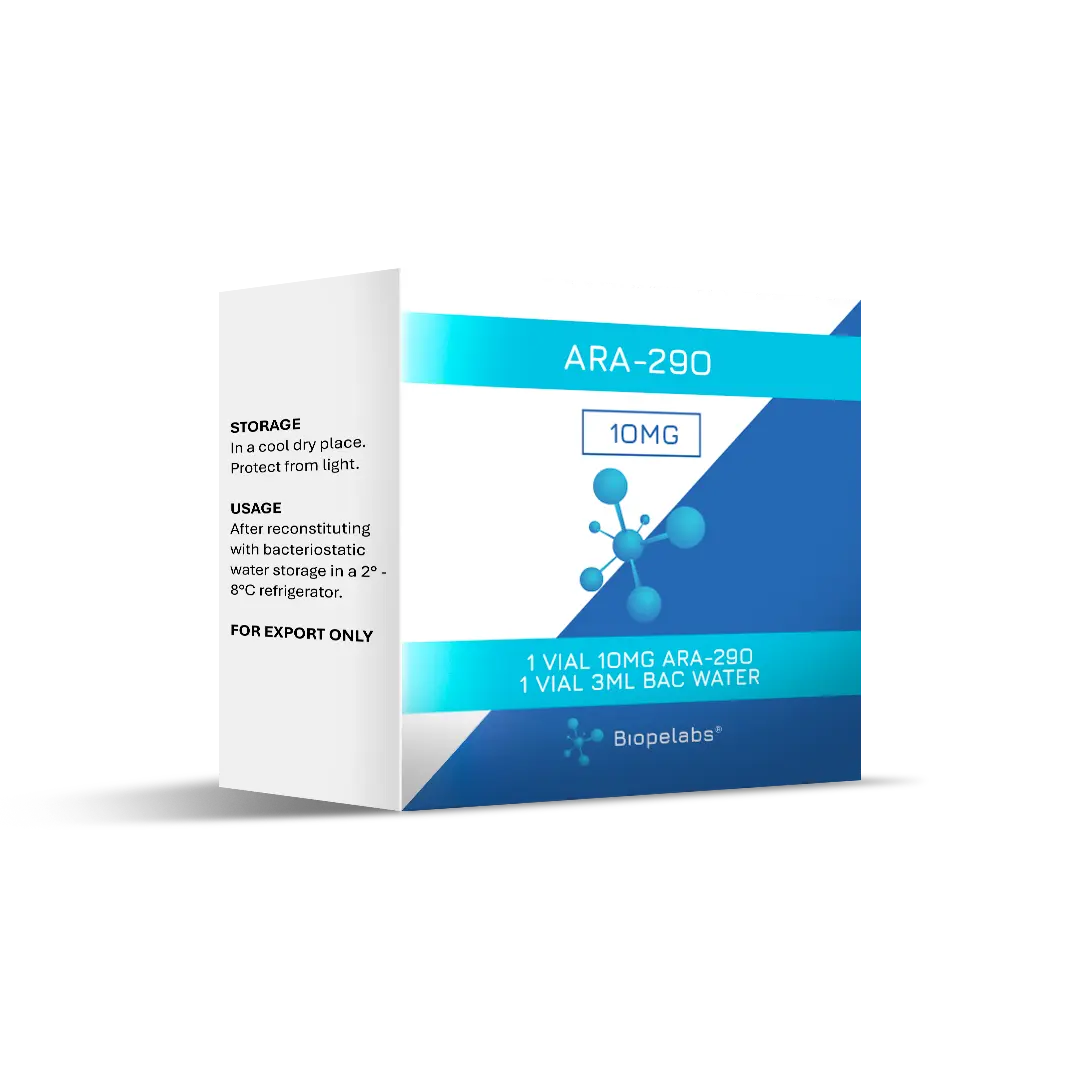
ARA-290 10mg

Protects the brain / activates repair pathways and reduces neural inflammation

ARA‑290 is a non‑erythropoietic peptide derived from erythropoietin, designed to retain the protective and anti‑inflammatory properties of erythropoietin without stimulating red‑blood‑cell production. It has shown potential in multiple therapeutic research settings due to its ability to modulate immune responses and protect tissues, particularly in the nervous system.

R$ 740,00

10 in stock

💡 Digite seu CEP para calcular automaticamente o frete e prazo de entrega

We accept USDT as our exclusive payment method, ensuring fast transactions, enhanced privacy, and efficient order processing.

Warning — For Research Use Only

Scientific content intended for research laboratories only. It is not a clinical, therapeutic, or diagnostic recommendation. Use is restricted to qualified professionals. Consult specialists before purchasing or using. Biopelabs reinforces its commitment to ethical and responsible use.
Discover Our Complete Catalog
Browse our full peptide catalog and explore additional compounds. Click any product to view its details and discover more research solutions.

Description

ARA‑290 is a non‑erythropoietic peptide engineered from the structure of erythropoietin, engaging selectively the so‑called “innate repair receptor” (β‑common receptor, βCR) that mediates cytoprotective and tissue‑repair signaling. By sparing classical erythropoietin‑driven erythropoiesis, ARA‑290 becomes a promising candidate for research in conditions characterized by inflammation and tissue injury, especially neuroinflammatory and ischemic diseases.

One of the main areas of interest is its effect on neuropathic pain and metabolic disorders. In patients with type 2 diabetes, ARA‑290 has demonstrated improved metabolic control and alleviation of neuropathic symptoms, suggesting a dual role in both metabolic and nervous‑system health. In preclinical and early‑phase clinical work, the peptide reduces neuroinflammation, protects small‑fiber nerves from apoptosis, and may support nerve‑fiber regeneration.

Important Information

Property Value
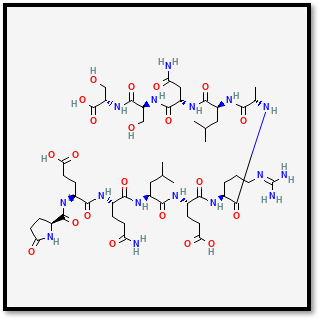
Molecular formula C₅₁H₈₄N₁₆O₂₁
Molecular weight 1257.3 g/mol
Synonyms Cibinetide, 1208243‑50‑8, ARA‑290, PHBSP, ARA 290


Main structure of the peptide ARA‑290

Source: PubChem


Lyophilized Peptides

Peptides undergo a lyophilization process, a technique that contributes to greater stability and extended shelf life, while preserving purity and molecular structure during storage. It is important to note that no fillers are used during this procedure.

Intended Use

Biopelabs states: this material is provided exclusively as a chemical input for research purposes. Its use is restricted to in vitro assays and experimental activities in laboratory environments. The information presented is strictly for informational and educational purposes. Handling must be carried out only by properly qualified professionals. This product is not classified as a medication, food, or cosmetic, and must not be used, marketed, or described as such.

Research

Scientific Research on ARA‑290 (Cibinetide)

ARA‑290 (also known as Cibinetide) is a synthetic 11‑amino‑acid peptide derived from the secondary‑structure helix‑B region of erythropoietin (EPO). Its key scientific interest lies in the ability to separate the neuroprotective and anti‑inflammatory effects of EPO from its hematopoietic (erythropoietic) actions.

Unlike native EPO, ARA‑290 does not bind the erythropoietin homodimer receptor (EPOR₂), so it avoids stimulating red‑blood‑cell production while still engaging the “innate repair receptor” (IRR), a heterocomplex of EPOR plus the common‑beta receptor (CD131/βcR).

Mechanism of Action and Inhibition (if applicable)

The central mechanism of ARA‑290 is activation of the innate repair receptor (IRR), triggering anti‑inflammatory and anti‑apoptotic signaling cascades, primarily via JAK2/STAT5 and PI3K/Akt pathways.

This leads to downregulation of pro‑inflammatory cytokines such as TNF‑α, IL‑6, and MCP‑1, and to inhibition of NF‑κB nuclear translocation, the master regulator of inflammatory gene expression, thereby reducing tissue‑level oxidative stress.

No specific small‑molecule or receptor antagonist that “blocks ARA‑290” itself is widely reported in the literature; however, pharmacological or genetic disruption of the IRR complex (for example, targeting βcR or downstream JAK/STAT or PI3K/Akt elements) would be expected to blunt its biological effects.

Effects on Metabolism and Nervous‑System Function

Clinical and preclinical work has particularly focused on metabolic and neuropathic conditions:

  • Small‑fiber neuropathy (SFN): In type‑2 diabetes and sarcoidosis‑associated SFN, ARA‑290 increases intraepidermal nerve fiber density and corneal nerve fiber abundance, improves quantitative sensory‑testing thresholds, and reduces neuropathic‑pain scores, suggesting a disease‑modifying, regenerative role rather than purely symptomatic relief.
  • Pancreatic islet protection: In islet‑transplant models, ARA‑290 reduces cytokine‑mediated β‑cell apoptosis, helping to preserve islet‑graft function and post‑operative glycemic control.
  • Insulin resistance and low‑grade inflammation: By reducing systemic inflammation, the peptide may improve peripheral insulin‑sensitivity markers, although these effects are still being characterized.

Investigation in oncological and chemotherapy‑related settings

Because native EPO can promote tumor growth via EPOR₂ on many cancers, long‑term EPO use in oncology has been limited. ARA‑290, lacking EPOR₂ binding, is considered a safer candidate for managing complications in cancer‑related care:

  • Chemotherapy‑induced peripheral neuropathy (CIPN): ARA‑290 is being explored as a neuroprotective agent against nerve damage caused by agents such as cisplatin and paclitaxel, aiming to preserve small‑fiber integrity without stimulating neoplastic proliferation.
  • No robust evidence yet supports ARA‑290 as a direct antitumor drug; current data focus on neuroprotection and quality‑of‑life support in oncology‑related neuropathies.

Pharmacokinetics in research

ARA‑290 is typically administered subcutaneously or intravenously in experimental and early‑phase protocols. It has a very short plasma half‑life in humans (around 2–5 minutes), but its biological effects can persist due to prolonged activation of intracellular signaling cascades after IRR engagement (“hit‑and‑run” kinetics). The peptide is degraded by endogenous peptidases into constituent amino acids, resulting in low risk of cumulative toxicity or complex cytochrome‑P450‑mediated drug interactions.

Other relevant research contexts

  • Sarcoidosis‑related neuropathy: Phase‑II and subsequent trials showed that daily subcutaneous ARA‑290 significantly improves neuropathic symptoms, corneal‑nerve‑fiber density, exercise capacity, and quality of life in sarcoidosis patients with small‑fiber neuropathy, with a favorable safety profile.
  • Ischemia–reperfusion injury: In models of renal and myocardial ischemia, ARA‑290 reduced infarct size and subsequent fibrosis by activating the IRR during the ischemic event, highlighting its role in organ‑protection research.
  • Diabetic retinopathy: In diabetic rodent models, ARA‑290 reduces retinal thinning, retinal‑inflammatory stimuli, and immune‑cell activation, preserving neural‑retinal structure and function, consistent with its broader neuroprotective and anti‑inflammatory profile.

Final considerations

ARA‑290 represents a precision‑medicine advance in pharmacology by isolating EPO’s tissue‑repair and anti‑inflammatory properties from its hematopoietic effects. For researchers, it is a robust tool for studying the innate repair receptor system and for exploring therapies in chronic‑inflammatory and neurodegenerative conditions, especially SFN‑related and metabolic‑neural disorders. Although early‑phase clinical data are encouraging, large‑scale phase‑III studies are needed before broad therapeutic adoption, and long‑term safety and optimal dosing regimens remain active research questions.
References

  • Brines, M., Dunne, A. N., van Velzen, M., et al. (2014). ARA 290, a nonerythropoietic peptide engineered from erythropoietin, ameliorates inflammatory cytokine production and neuropathic pain. Molecular Medicine, 20(1).
  • Dahan, A., Dunne, A., Swartjes, M., et al. (2013). ARA 290 for treatment of small fiber neuropathy in sarcoidosis. Clinical Therapeutics, 35(6).
  • Heij, L., Niesters, M., Swartjes, M., et al. (2012). Safety and efficacy of ARA 290 in sarcoidosis patients with symptoms of small fiber neuropathy: a randomized, double‑blind, pilot study. Molecular Medicine, 18(1).
  • Ciaramella, A., Mantegna, G., Niwa, H., et al. (2021). The Innate Repair Receptor (IRR) System: A Review of its Role in Inflammation and Tissue Repair. Frontiers in Pharmacology, 12.
  • PubChem entry for ARA‑290 (Cibinetide) – CID: 91810664 (molecular formula C₅₁H₈₄N₁₆O₂₁, MW 1257.3 g/mol).

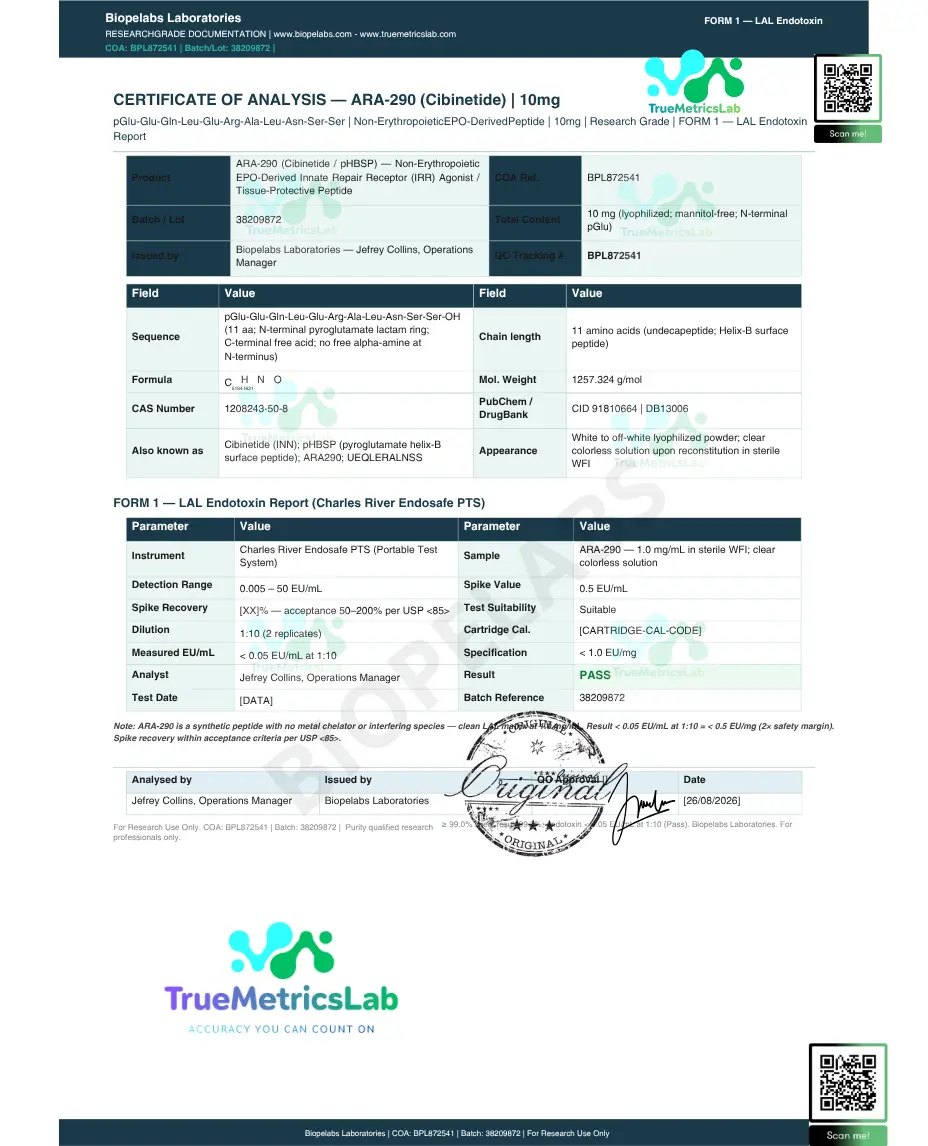
COAs

LAL Endotoxin Test Report

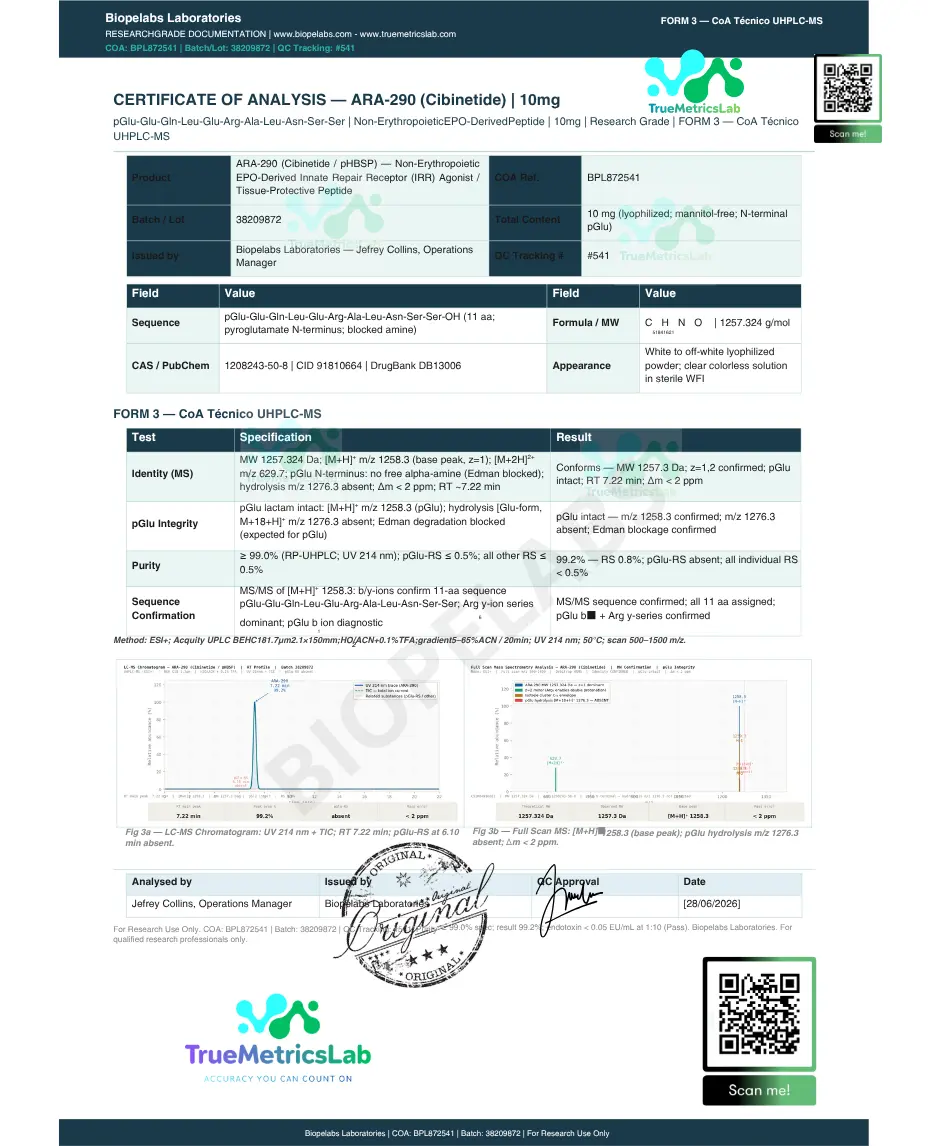
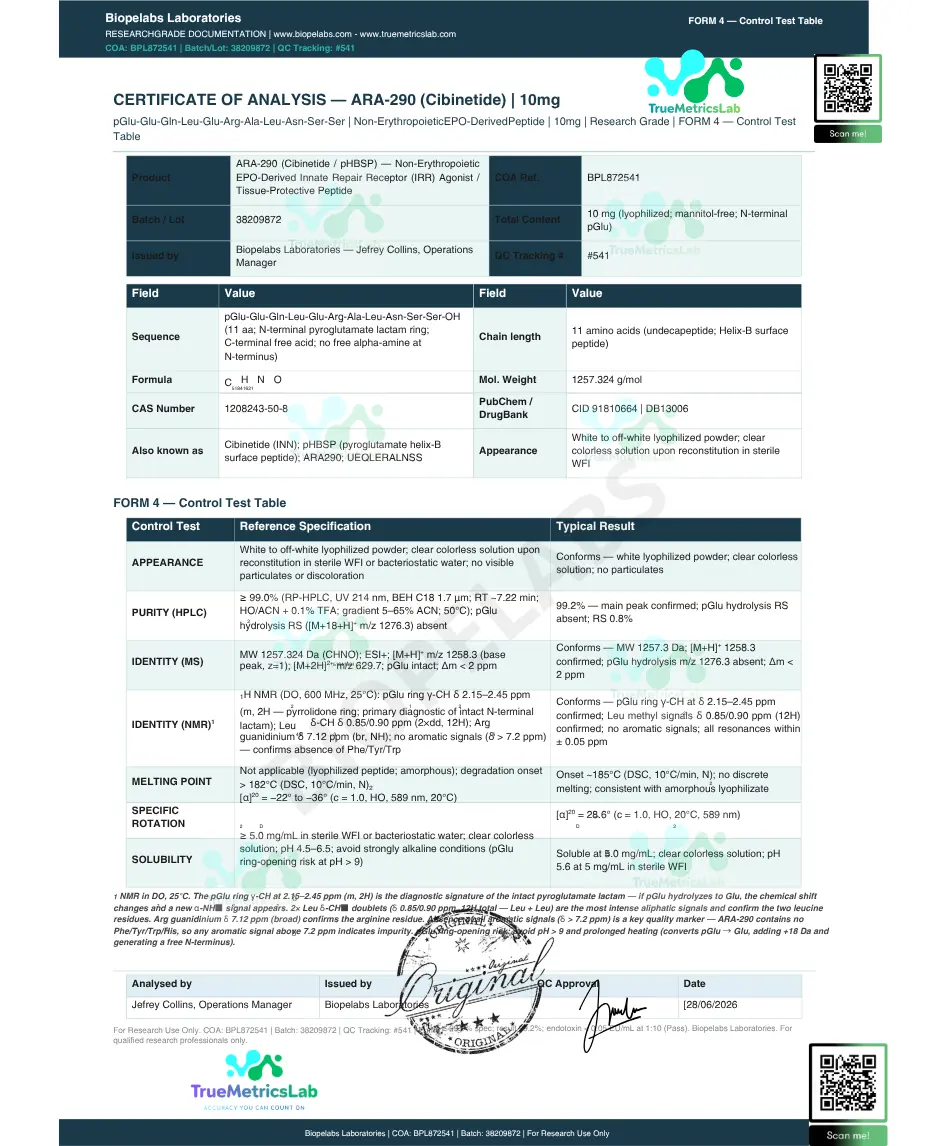
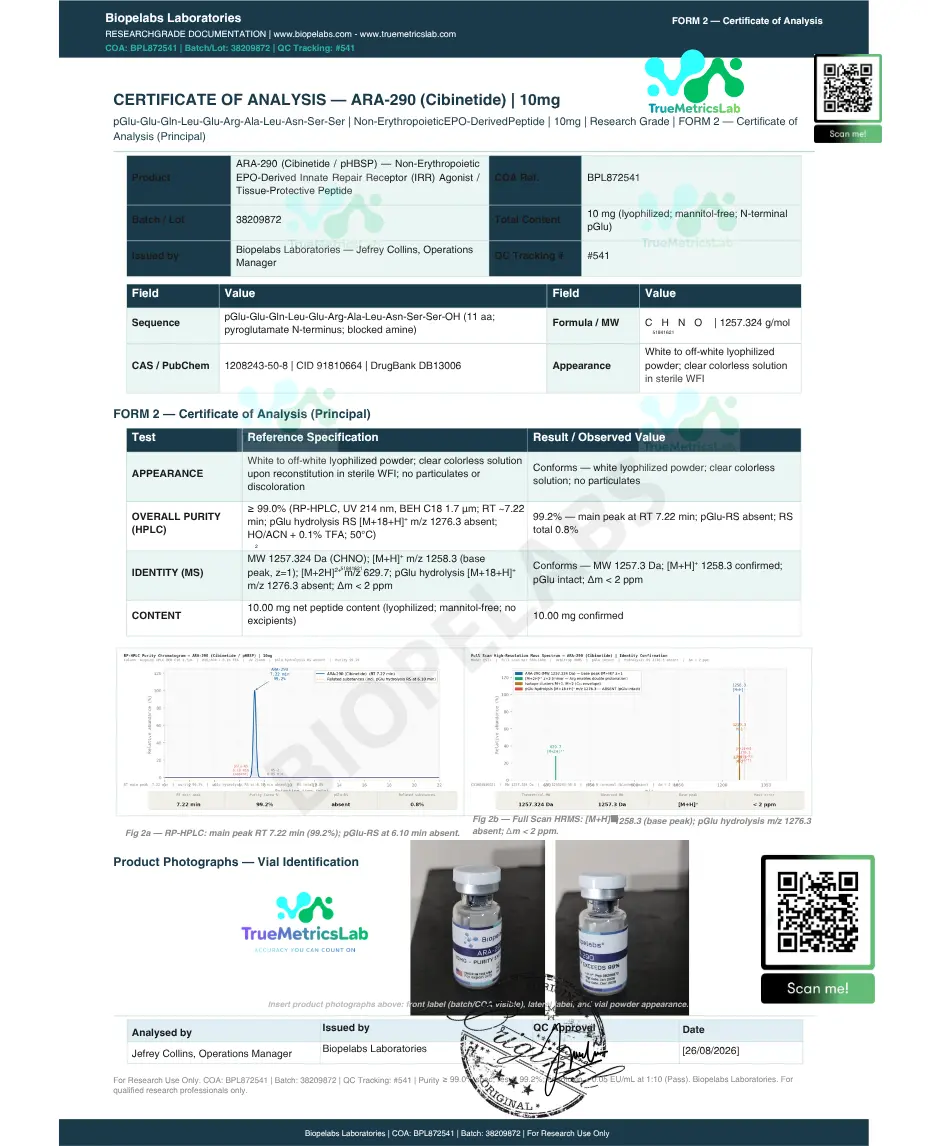
Certificate of Analysis (Including Product Images)

Certificate of Analysis (General / Physicochemical)

Certificate of Analysis (Analytical Method Details) ✅

Reviews

There are no reviews yet.

Only logged in customers who have purchased this product may leave a review.

Additional information

Weight 40 g
Dimensions 7 × 3,6 × 8 cm

Disclaimer: The products offered by BiopeLabs are intended for research and laboratory use only. They are not approved for human consumption, therapeutic, diagnostic, or veterinary use. By purchasing from our website, you acknowledge that you are a qualified researcher or purchasing on behalf of a legitimate research institution and agree to use these products in accordance with all applicable laws and regulations.

Peptides Catalog

1: 5-Amino-1MQ 10mg
2: 5-Amino-1MQ 50mg
3: ACE-031 1mg
4: ACTH 1-39 5mg
5: Adamax 5mg
6: Adamax 10mg
7: AHK-Cu 50mg
8: AICAR 50mg
9: AICAR 100mg
10: AOD-9604 5mg
11: AOD-9604 10mg
12: Alprostadil 20mcg
13: Amylin 5mg
14: Angiotensin (1–7) 5mg
15: ARA-290 10mg
16: Bimagrumab 5mg
17: Botulinum Toxin 100IU
18: BPC-157 10mg
19: BPC-157 20mg
20: BPC-157 5mg + TB-500 5mg
21: BPC-157 10mg + TB-500 10mg
22: Bronchogen 20mg
23: Cagrilintide 10mg
24: Cagrilintide 20mg
25: Cardiogen 20mg
26: Cartalax 20mg
27: CBL-514 10mg
28: CBL-514 20mg
29: CBL-514 30mg
30: Cerebrolysin 60mg
31: Cerlankin 2mg
32: CGRP (Calcitonin Gene-Related Peptide) 1mg
33: CJC-1295 with DAC 5mg
34: CJC-1295 with DAC 10mg
35: CJC-1295 with DAC 5mg + Ipamorelin 5mg
36: CJC-1295 without DAC 5mg
37: CJC-1295 without DAC 10mg
38: CJC-1295 without DAC 5mg + Ipamorelin 5mg
39: Chonluten 20mg
40: Cortagen 20mg
41: Crystagen 20mg
42: CT-1 Cardiotrophin-1 5mg
43: Dermorphin 5mg
44: Dihexa 5mg
45: DSIP 5mg
46: Dulaglutide 5mg
47: Elabela Apelin 5mg
48: Enfuvirtide 90mg
49: Epithalon 5mg
50: Epithalon 40mg
51: Epithalon 50mg
52: EPO 3000IU
53: FGF21 10mg
54: Follistatin-344 1mg
55: FOXO4 10mg
56: GHK-Cu 50mg
57: GHK-Cu 100mg
58: Ghrelin 10mg
59: GHRP-2 5mg
60: GHRP-6 5mg
61: Glucagon 1mg
62: Glutathione 1500mg
63: Gonadorelin Acetate 5mg
64: Goserelin 10mg
65: GLOW BPC-157 10mg + GHK-Cu 50mg + TB-500 10mg
66: HGH 191AA 15IU
67: HGH 191AA 36IU
68: HGH Fragment 176-191 10mg
69: HGH Fragment 176-191 15mg
70: HMG (Human Menopausal Gonadotropin) 75IU
71: Humanin 10mg
72: Hyaluronic Acid 5mg
73: Hexarelin Acetate 2mg
74: Hexarelin Acetate 5mg
75: IGF-1 LR3 1mg
76: Ipamorelin 5mg
77: Ipamorelin 10mg
78: Kisspeptin-10 5mg
79: Kisspeptin-10 10mg
80: KLOW BPC-157 10mg + GHK-Cu 50mg + TB-500 10mg + KPV 10mg
81: KPV 10mg
82: Leuprolide Acetate 10mg
83: Liraglutide 5mg
84: Livagen 20mg
85: LL-37 5mg
86: Lysyl Oxidase 30mg
87: Matrixyl 10mg
88: Mazdutide 10mg
89: Melanotan I 10mg
90: Melanotan II 10mg
91: Melatonin 10mg
92: MGF 2mg
93: MOTS-c 10mg
94: MOTS-c 40mg
95: NAD+ 100mg
96: NAD+ 500mg
97: NAD+ 1000mg
98: Nesiritide 5mg
99: Neuropeptide Y (NPY) 10mg
100: Ovagen 20mg
101: Oxytocin Acetate 5mg
102: Oxytocin Acetate 10mg
103: P21 5mg
104: P21 10mg
105: PACAP 5mg
106: Pancragen 20mg
107: PE 22-28 10mg
108: PEG-MGF 2mg
109: Pinealon 5mg
110: Pinealon 10mg
111: Pinealon 20mg
112: PNC-27 5mg
113: PNC-27 10mg
114: Prostamax 20mg
115: PT-141 10mg
116: PTH Fragments 10mg
117: Relamorelin 5mg
118: Retatrutide 10mg
119: Retatrutide 20mg
120: Retatrutide 30mg
121: Retatrutide 40mg
122: Retatrutide 60mg
123: Retatrutide 5mg + Cagrilintide 5mg
124: Selank 5mg
125: Selank 10mg
126: Semaglutide 5mg + Cagrilintide 5mg
127: Semax 5mg
128: Semax 10mg
129: Sermorelin 5mg
130: Sermorelin 10mg
131: SLU-PP-332 10mg
132: SNAP-8 10mg
133: SS-31 10mg
134: SS-31 50mg
135: Survodutide 10mg
136: TB-500 5mg
137: TB-500 10mg
138: TB-500 (FRAG) 10mg
139: Teduglutide 5mg
140: Teriparatide 10mg
141: Tesamorelin 5mg
142: Tesamorelin 10mg
143: Tesamorelin 20mg
144: Tesamorelin 5mg
145: Tesofensine 1mg
146: Testagen 20mg
147: Thymalin 10mg
148: Thymosin Alpha-1 5mg
149: Thymosin Alpha-1 10mg
150: Treprostinil 5mg
151: Vesugen 20mg
152: VIP 5mg
153: VIP 10mg
154: Vilon 20mg

Fill out the form