
To understand the disparities between these substances, it is necessary to first define their fundamental chemical structures:
The primary difference lies in how these molecules interact with the target cell.
Peptides: The Signaling Cascade
Most peptides act via cell surface receptors (often G protein-coupled receptors – GPCRs). They do not enter the cell; instead, they bind to external receptors, triggering the production of secondary messengers such as cAMP (cyclic adenosine monophosphate), which rapidly and enzymatically modulates cellular activity.
Steroids: Genomic Modulation
Due to their lipophilicity, steroids diffuse across the membrane and bind to intracellular receptors in the cytoplasm or directly in the nucleus. The hormone–receptor complex acts as a transcription factor, binding to specific DNA sequences to increase or decrease protein synthesis (mRNA), resulting in profound and long-lasting structural and functional changes.
The table below summarizes the key technical distinctions:
| Attribute | Peptides (Signaling Molecules) | Steroids (Androgenic/Anabolic) |
| Composition | Amino acid chains | Cholesterol-derived |
| Solubility | Hydrophilic (generally) | Lipophilic |
| Receptor Location | Plasma membrane | Intracellular (cytoplasm/nucleus) |
| Response Time | Rapid (seconds to minutes) | Slow (hours to days for transcription) |
| Impact on HPTA Axis | Generally modulatory or neutral | Frequently suppressive (axis inhibition) |
| Route of Administration | Often injectable (due to proteolysis) | Oral or injectable |
Peptides (Focus on Bioregulation)
Steroids (Focus on Anabolism)
Legal status varies significantly across jurisdictions and intended use:
Peptides and steroids represent distinct pharmacological tools. While steroids rewrite cellular functionality through direct gene expression—delivering rapid results but with a higher toxicity burden—peptides act as precision modulators, refining existing signaling pathways with a typically superior safety profile. The choice between these approaches requires a deep understanding of endocrinology and a rigorous evaluation of the risk–benefit balance.
Watch the video and learn more about peptides.
https://biopelabs.com/videos/#what-is-peptide
Nota: Para enriquecer visualmente nosso conteúdo, informamos que algumas das imagens utilizadas em nossos artigos são criadas por meio de inteligência artificial. Elas servem a propósitos puramente ilustrativos e não devem ser interpretadas como representações de eventos ou pessoas reais.
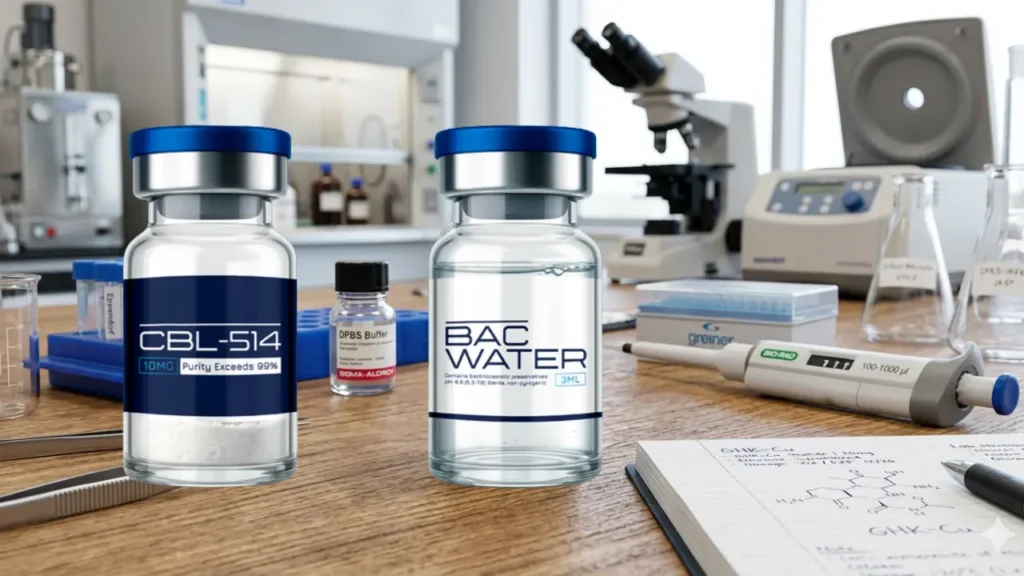
TECHNICAL AND SCIENTIFIC GUIDE CBL-514: Pharmacology, Clinical Evidence and Therapeutic Outlook Updated 29 July 2026 Intended audience: researchers,...
Read more...
American laboratories specializing in peptides are widely recognized for their high reliability and rigorous standards in research and...
Read more...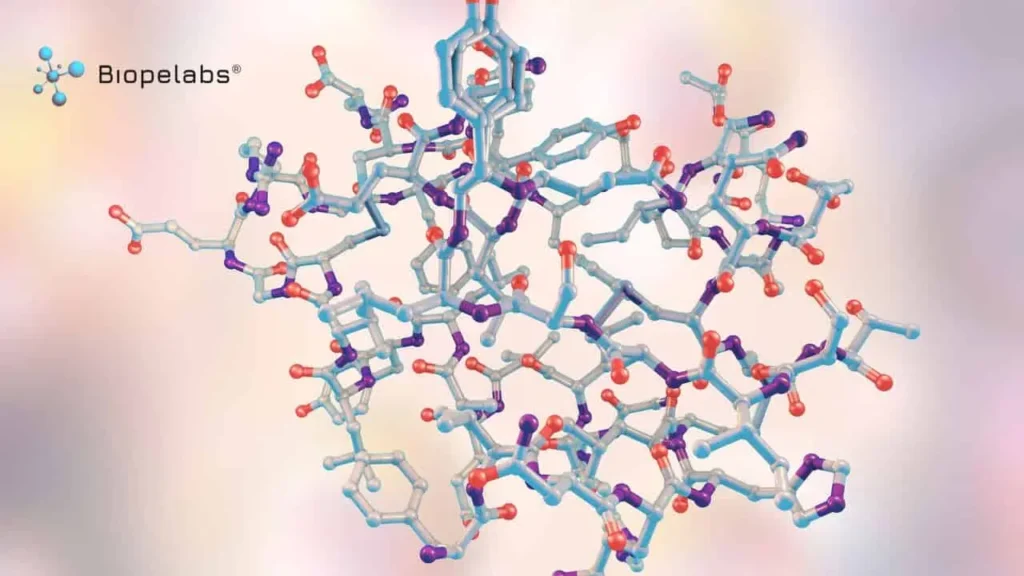
This guide has been reformulated to provide a clear and structured overview of how different peptides regulate hunger...
Read more...
This guide has been reformulated to provide a technical, clear, and organized overview of the main peptides aimed...
Read more...
BIOPELABS delivers research-focused peptides with a clean, modern experience—clear product options, responsive support, and secure shopping. Explore our peptide catalog and find the right format for your needs today.
Disclaimer: The products offered by BiopeLabs are intended for research and laboratory use only. They are not approved for human consumption, therapeutic, diagnostic, or veterinary use. By purchasing from our website, you acknowledge that you are a qualified researcher or purchasing on behalf of a legitimate research institution and agree to use these products in accordance with all applicable laws and regulations.

1: 5-Amino-1MQ 10mg
2: 5-Amino-1MQ 50mg
3: ACE-031 1mg
4: ACTH 1-39 5mg
5: Adamax 5mg
6: Adamax 10mg
7: AHK-Cu 50mg
8: AICAR 50mg
9: AICAR 100mg
10: AOD-9604 5mg
11: AOD-9604 10mg
12: Alprostadil 20mcg
13: Amylin 5mg
14: Angiotensin (1–7) 5mg
15: ARA-290 10mg
16: Bimagrumab 5mg
17: Botulinum Toxin 100IU
18: BPC-157 10mg
19: BPC-157 20mg
20: BPC-157 5mg + TB-500 5mg
21: BPC-157 10mg + TB-500 10mg
22: Bronchogen 20mg
23: Cagrilintide 10mg
24: Cagrilintide 20mg
25: Cardiogen 20mg
26: Cartalax 20mg
27: CBL-514 10mg
28: CBL-514 20mg
29: CBL-514 30mg
30: Cerebrolysin 60mg
31: Cerlankin 2mg
32: CGRP (Calcitonin Gene-Related Peptide) 1mg
33: CJC-1295 with DAC 5mg
34: CJC-1295 with DAC 10mg
35: CJC-1295 with DAC 5mg + Ipamorelin 5mg
36: CJC-1295 without DAC 5mg
37: CJC-1295 without DAC 10mg
38: CJC-1295 without DAC 5mg + Ipamorelin 5mg
39: Chonluten 20mg
40: Cortagen 20mg
41: Crystagen 20mg
42: CT-1 Cardiotrophin-1 5mg
43: Dermorphin 5mg
44: Dihexa 5mg
45: DSIP 5mg
46: Dulaglutide 5mg
47: Elabela Apelin 5mg
48: Enfuvirtide 90mg
49: Epithalon 5mg
50: Epithalon 40mg
51: Epithalon 50mg
52: EPO 3000IU
53: FGF21 10mg
54: Follistatin-344 1mg
55: FOXO4 10mg
56: GHK-Cu 50mg
57: GHK-Cu 100mg
58: Ghrelin 10mg
59: GHRP-2 5mg
60: GHRP-6 5mg
61: Glucagon 1mg
62: Glutathione 1500mg
63: Gonadorelin Acetate 5mg
64: Goserelin 10mg
65: GLOW BPC-157 10mg + GHK-Cu 50mg + TB-500 10mg
66: HGH 191AA 15IU
67: HGH 191AA 36IU
68: HGH Fragment 176-191 10mg
69: HGH Fragment 176-191 15mg
70: HMG (Human Menopausal Gonadotropin) 75IU
71: Humanin 10mg
72: Hyaluronic Acid 5mg
73: Hexarelin Acetate 2mg
74: Hexarelin Acetate 5mg
75: IGF-1 LR3 1mg
76: Ipamorelin 5mg
77: Ipamorelin 10mg
78: Kisspeptin-10 5mg
79: Kisspeptin-10 10mg
80: KLOW BPC-157 10mg + GHK-Cu 50mg + TB-500 10mg + KPV 10mg
81: KPV 10mg
82: Leuprolide Acetate 10mg
83: Liraglutide 5mg
84: Livagen 20mg
85: LL-37 5mg
86: Lysyl Oxidase 30mg
87: Matrixyl 10mg
88: Mazdutide 10mg
89: Melanotan I 10mg
90: Melanotan II 10mg
91: Melatonin 10mg
92: MGF 2mg
93: MOTS-c 10mg
94: MOTS-c 40mg
95: NAD+ 100mg
96: NAD+ 500mg
97: NAD+ 1000mg
98: Nesiritide 5mg
99: Neuropeptide Y (NPY) 10mg
100: Ovagen 20mg
101: Oxytocin Acetate 5mg
102: Oxytocin Acetate 10mg
103: P21 5mg
104: P21 10mg
105: PACAP 5mg
106: Pancragen 20mg
107: PE 22-28 10mg
108: PEG-MGF 2mg
109: Pinealon 5mg
110: Pinealon 10mg
111: Pinealon 20mg
112: PNC-27 5mg
113: PNC-27 10mg
114: Prostamax 20mg
115: PT-141 10mg
116: PTH Fragments 10mg
117: Relamorelin 5mg
118: Retatrutide 10mg
119: Retatrutide 20mg
120: Retatrutide 30mg
121: Retatrutide 40mg
122: Retatrutide 60mg
123: Retatrutide 5mg + Cagrilintide 5mg
124: Selank 5mg
125: Selank 10mg
126: Semaglutide 5mg + Cagrilintide 5mg
127: Semax 5mg
128: Semax 10mg
129: Sermorelin 5mg
130: Sermorelin 10mg
131: SLU-PP-332 10mg
132: SNAP-8 10mg
133: SS-31 10mg
134: SS-31 50mg
135: Survodutide 10mg
136: TB-500 5mg
137: TB-500 10mg
138: TB-500 (FRAG) 10mg
139: Teduglutide 5mg
140: Teriparatide 10mg
141: Tesamorelin 5mg
142: Tesamorelin 10mg
143: Tesamorelin 20mg
144: Tesamorelin 5mg
145: Tesofensine 1mg
146: Testagen 20mg
147: Thymalin 10mg
148: Thymosin Alpha-1 5mg
149: Thymosin Alpha-1 10mg
150: Treprostinil 5mg
151: Vesugen 20mg
152: VIP 5mg
153: VIP 10mg
154: Vilon 20mg