
Dr. Ky H. Le, MD
Attention: The information presented in this article is intended solely for educational and research purposes and is directed to laboratory professionals, researchers, and collaborators. This content does not constitute medical or clinical advice.
Peptide bioregulators are small sequences of amino acids — typically composed of 2 to 7 units — capable of acting directly inside cells. Unlike many other compounds, these peptides are able to reach the cell nucleus and interact with DNA, exerting influence over genetic regulation.
These compounds began to be studied more extensively following decades of research conducted at the Saint Petersburg Institute of Bioregulation and Gerontology. As early as the 1970s, researchers V. G. Morozov and Vladimir Khavinson were pioneers in demonstrating that the organism itself produces low-molecular-weight peptides capable of carrying biological information encoded in their amino acid sequences.
Studies indicated that these peptides play a fundamental role in regulating essential cellular processes such as cell proliferation, differentiation, and intercellular communication.
One of the main distinguishing features of peptide bioregulators lies in their mechanism of action. While conventional peptides act primarily by binding to receptors on the cell membrane, triggering signaling cascades, bioregulators are capable of penetrating the cell and the nucleus, directly modulating gene expression and epigenetic processes.
Scientific Foundations: How Peptide Bioregulators Work
Peptide bioregulators possess specific functional characteristics that distinguish them from conventional peptides used in research. Three primary properties define their mechanism of action.
1. Ability to Access the Cell Nucleus
While most peptides act on the surface of cells by binding to membrane receptors and activating intracellular signaling cascades, bioregulators follow a different pathway.
Due to their low molecular weight, these peptides can cross both the plasma membrane and the nuclear membrane. Once inside the nucleus, they begin interacting directly with chromatin and genetic material.
This ability to reach the cell nucleus represents a significant distinction compared with larger peptides, which typically remain restricted to the extracellular environment or the cytoplasm.
2. Direct Interaction with DNA Regulatory Regions
Inside the nucleus, bioregulators actively participate in gene regulation. Studies demonstrate that certain peptides — such as EDR, AEDG, and KEDW — show affinity for histone proteins, including H1, H2B, H3, and H4.
These interactions promote changes in chromatin organization, making specific regions of DNA more accessible to transcription mechanisms.
Short peptides composed of 2 to 4 amino acids may associate with promoter regions of specific genes, facilitating the activation of gene expression and the synthesis of proteins involved in essential cellular functions.
This process represents a mechanism of epigenetic regulation, in which gene activity is modulated without altering the DNA sequence itself.
3. Tissue-Specific Selectivity
Each peptide bioregulator possesses a unique amino acid sequence that determines its affinity for specific cell types. This property provides bioregulators with a high degree of tissue selectivity.
In practice, peptides derived from a specific tissue tend to exert their effects preferentially within that same tissue. For example, peptides associated with the thymus demonstrate affinity for cells of the immune system, while those related to the pineal gland act in processes associated with endocrine regulation and biological rhythms.
In experimental models, these peptides demonstrate the ability to stimulate processes such as cell proliferation and differentiation in their target tissues, making them valuable tools for studying cellular mechanisms specific to organs and biological systems.
Main Categories of Peptide Bioregulators
Peptide bioregulators can be found in three main forms, each with its own characteristics suited to different experimental objectives. The selection between natural peptides, synthetic peptides, or combined complexes should consider the study design, experimental model, and expected outcomes.
Natural Peptides (Cytomaxes)
Cytomaxes represent an advancement in the development of natural bioregulators. They are obtained from tissues and organs of young calves through a patented filtration process that allows the extraction of highly concentrated peptide complexes with molecular weights of up to 10 kDa.
These formulations contain 2.5 to 3 times higher concentrations of biologically active peptides compared with earlier generations. The purification process removes exogenous DNA and unwanted proteins, ensuring a high level of purity suitable for scientific research applications.
In experimental models, natural peptides tend to produce progressive and sustained effects. Studies indicate that protocols lasting 2 to 4 months may result in observable effects that extend for even longer periods, suggesting long-lasting changes in gene expression patterns.
Synthetic Peptides (Cytogens)
Cytogens are short-chain synthetic peptides, typically composed of 2 to 4 amino acids, developed through detailed analysis of natural peptide extracts. These molecules are produced in laboratory environments through chemical synthesis and exhibit biological activity comparable to that of natural bioregulators.
The synthesis method was established in 1999 by Vladimir Khavinson, following the identification of the most active sequences present in natural complexes. This strategy allows the production of highly defined, standardized, and reproducible compounds, essential characteristics for controlled scientific studies.
Among the most well-known examples are:
In research models, synthetic peptides tend to present a faster onset of action, with observable effects generally appearing within 1.5 to 2 months.
Peptide-Vitamin Complexes (Cytamins)
Cytamins are bioregulators obtained from bovine tissues that contain a broader mixture of biological components, including:
Although less refined compared with Cytomaxes, they offer a more comprehensive biological approach, combining peptide bioregulation with nutritional support.
These preparations exhibit molecular weights of up to 150 kDa and demonstrate more gradual and gentle activity in experimental models. They are frequently used in research focused on homeostasis maintenance, general health, and preventive studies.
Cytamins are free from preservatives and foreign substances and demonstrate low immunogenic potential in experimental contexts, contributing to their safety in long-term research studies.
Prominent Peptide Bioregulators in Scientific Research
Several peptide bioregulators have been widely investigated across different experimental models, establishing themselves as important tools for studying multiple biological systems.
Epitalon (AEDG) — Pineal Gland-Associated Bioregulator
Epitalon is a tetrapeptide composed of the sequence Ala–Glu–Asp–Gly, developed from the analysis of the amino acid composition of epitalamin, an extract obtained from the bovine pineal gland.
This peptide has been studied for more than two decades in research related to cellular aging and neuroendocrine regulation.
In in vitro studies, Epitalon demonstrated the ability to stimulate telomerase activity in human fibroblast cultures, promoting telomere elongation and increasing the number of cellular divisions beyond conventional replicative limits. These findings suggest a relevant role in modulating cellular longevity in experimental models.
Additionally, the peptide influences the functional activity of the pineal gland, stimulating melatonin production, making it a useful model for investigations related to circadian rhythms.
Further studies also indicate effects on gene expression associated with neurogenesis and neuronal differentiation.
Main research applications:
Thymalin — Regulator of Immune Function
Thymalin was the first peptide bioregulator described, developed in 1974 from the isolation of low-molecular-weight peptides derived from the calf thymus.
It is a polypeptide complex that includes several biologically active sequences such as:
In research models, thymalin promotes the differentiation of hematopoietic stem cells into T lymphocytes, contributing to the normalization of cellular immunity.
Its mechanism involves interaction with DNA and histone proteins, modulating the expression of genes related to proliferation, differentiation, and apoptosis of immune system cells.
Studies also describe anti-inflammatory properties, associated with the regulation of cytokines such as IL-6 and IL-8, helping control excessive immune activation.
Main research applications:
Vilon (KE) — Gene Expression Activating Peptide
Vilon is a synthetic dipeptide composed of Lys–Glu, widely studied for its gene activation properties in cellular systems.
This peptide acts by reversing heterochromatinization processes, a phenomenon that increases with cellular aging and leads to the functional silencing of genes.
In experimental models, Vilon promotes the reactivation of previously inactive euchromatic regions, stimulating genes related to ribosomal synthesis and protein production capacity.
It also demonstrates effects on nucleolar organizer regions, increasing the biosynthetic activity of cells.
In experimental immunology, studies indicate:
Other models suggest beneficial effects in tissue repair processes, liver regeneration, and cellular recovery after radiation exposure.
Main research applications:
Cortexin — Brain-Derived Bioregulator
Cortexin is a peptide complex obtained from the gray matter of the cerebral cortex, composed predominantly of peptides with molecular weights below 10 kDa.
In research models, this bioregulator acts on both neurons and glial cells.
Studies demonstrate effects on the regulation of neurotransmitter metabolism and antioxidant activity, including the control of lipid peroxidation in cellular systems.
Experimental models have associated cortexin with improvements in:
Animal research also indicates stimulation of repair processes after traumatic brain injury, contributing to the functional recovery of the central nervous system.
The compound influences serotonergic systems and contributes to the normalization of brain metabolism under stress conditions.
A synthetic tetrapeptide derived from cortexin, known as Cortagen (AEDP), demonstrates similar neuroprotective effects, with the advantage of a defined molecular structure suitable for standardized studies.
Scientific Applications of Peptide Bioregulators
Peptide bioregulators represent valuable tools for several fields of cellular and molecular biology, particularly because of their direct mechanism of gene expression modulation.
Gene expression studies
Allow investigation into how small peptides influence chromatin remodeling, promoter accessibility, and interactions with transcription factors.
Cellular aging research
Peptides such as Epitalon are used to explore relationships between telomerase activity, replicative capacity, and molecular markers of cellular senescence.
Immune differentiation studies
Thymus-derived bioregulators assist in studying T-lymphocyte maturation, hematopoietic impairment, and immune system development.
Tissue regeneration models
The tissue selectivity of these compounds allows analysis of organ-specific regenerative processes, including cell proliferation and structural repair.
Neuroprotection research
Brain-derived bioregulators provide models for studying neuronal survival, glial function, and neurotransmitter regulation in the central nervous system.
Epigenetic studies
Interactions between bioregulators and histones provide an experimental system to evaluate epigenetic changes independent of DNA methylation or acetylation processes.
Differences Between Peptide Bioregulators and Conventional Peptides
Understanding the distinctions between peptide bioregulators and traditional peptides is essential for defining their specific applications in scientific research.
Mechanism of Action
Peptide bioregulators act directly within the cell nucleus, interacting with DNA and histone proteins. This interaction enables the modulation of gene expression through epigenetic mechanisms, influencing which genes are activated or silenced.
Conventional peptides, on the other hand, exert their effects primarily by binding to receptors located on the cell membrane, triggering intracellular signaling cascades without direct interaction with genetic material.
Molecular Size
Bioregulators are composed of extremely short sequences, generally 2 to 7 amino acids, giving them low molecular weight and enabling them to cross both the cellular and nuclear membranes.
Traditional peptides typically contain longer chains, often 20 to 50 amino acids or more, which limits their activity to the extracellular environment or cell surface.
Duration of Observed Effects
In experimental models, the effects of bioregulators tend to be long-lasting, sometimes persisting months after administration ends, suggesting stable changes in gene expression patterns.
Conventional peptides generally exhibit more transient effects, typically limited to the exposure period, with rapid decline in activity after stimulus interruption.
Research Applications
Bioregulators are primarily used as tools for studying:
Conventional peptides are widely used in research related to:
These differences position peptide bioregulators as a distinct category of experimental compounds, particularly relevant for investigations requiring direct access to nuclear gene-control mechanisms.
General Summary
Peptide bioregulators represent a unique class of compounds characterized by their ability to interact directly with DNA, in contrast to the peripheral action of conventional peptides.
Their small molecular size enables access to the cell nucleus, while their specific amino acid sequences confer tissue selectivity and functional precision.
Currently, three main groups are recognized:
These categories offer flexibility for different experimental designs, study durations, and scientific objectives.
Widely studied bioregulators such as Epitalon, Thymalin, Vilon, and Cortexin have already demonstrated relevance in research related to cellular aging, immune function, and neuroprotection.
For laboratories interested in gene expression, cellular senescence, or targeted tissue regeneration, bioregulators represent experimental tools with mechanisms clearly distinct from traditional peptides.
Regardless of the application, analytical quality criteria — including purity verification, molecular weight confirmation, and proper technical documentation — remain essential to ensure scientific reproducibility and reliability.
Nota: Para enriquecer visualmente nosso conteúdo, informamos que algumas das imagens utilizadas em nossos artigos são criadas por meio de inteligência artificial. Elas servem a propósitos puramente ilustrativos e não devem ser interpretadas como representações de eventos ou pessoas reais.
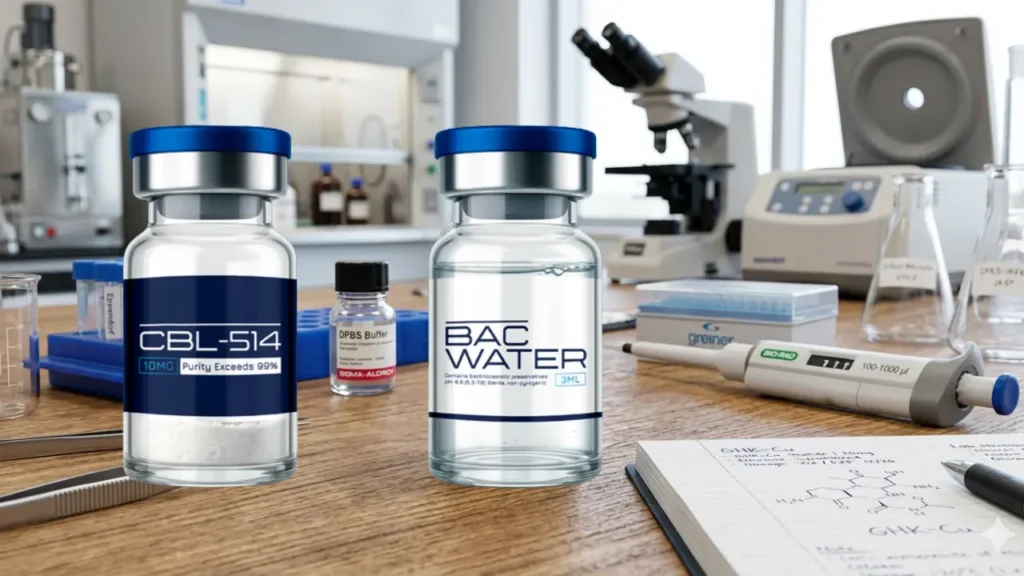
TECHNICAL AND SCIENTIFIC GUIDE CBL-514: Pharmacology, Clinical Evidence and Therapeutic Outlook Updated 29 July 2026 Intended audience: researchers,...
Read more...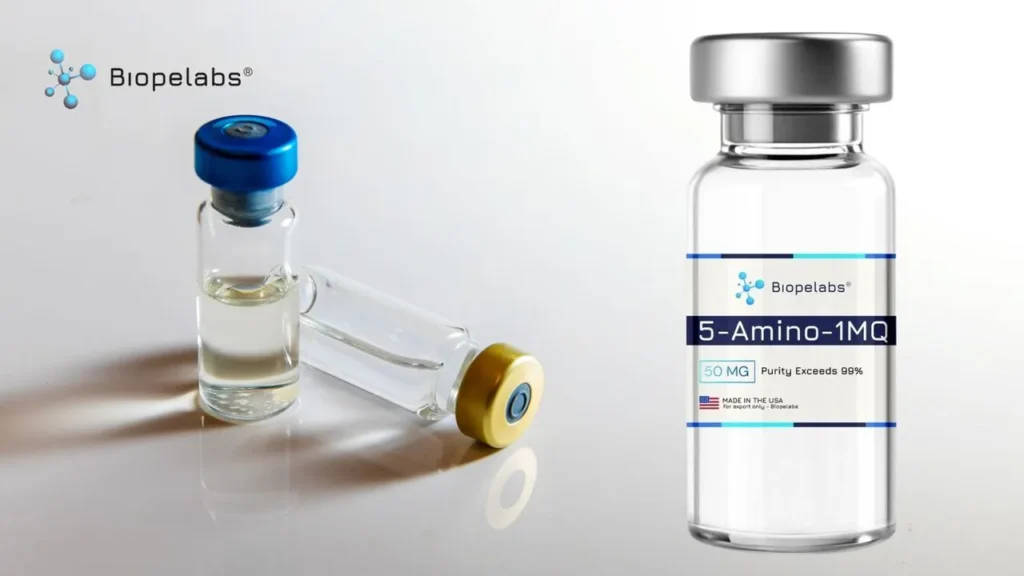
1. Abstract Lyophilization, or freeze-drying, is the most effective method for stabilizing both synthetic and natural peptides. By...
Read more...
1. Abstract Ovágeno is a synthetic tripeptide (L-glutamic acid, L-aspartic acid, and L-proline) developed to act as a...
Read more...
1. Nature and Molecular Architecture AOD9604 is a synthetic peptide analog that mimics the C-terminal region of human...
Read more...
BIOPELABS delivers research-focused peptides with a clean, modern experience—clear product options, responsive support, and secure shopping. Explore our peptide catalog and find the right format for your needs today.
Disclaimer: The products offered by BiopeLabs are intended for research and laboratory use only. They are not approved for human consumption, therapeutic, diagnostic, or veterinary use. By purchasing from our website, you acknowledge that you are a qualified researcher or purchasing on behalf of a legitimate research institution and agree to use these products in accordance with all applicable laws and regulations.

1: 5-Amino-1MQ 10mg
2: 5-Amino-1MQ 50mg
3: ACE-031 1mg
4: ACTH 1-39 5mg
5: Adamax 5mg
6: Adamax 10mg
7: AHK-Cu 50mg
8: AICAR 50mg
9: AICAR 100mg
10: AOD-9604 5mg
11: AOD-9604 10mg
12: Alprostadil 20mcg
13: Amylin 5mg
14: Angiotensin (1–7) 5mg
15: ARA-290 10mg
16: Bimagrumab 5mg
17: Botulinum Toxin 100IU
18: BPC-157 10mg
19: BPC-157 20mg
20: BPC-157 5mg + TB-500 5mg
21: BPC-157 10mg + TB-500 10mg
22: Bronchogen 20mg
23: Cagrilintide 10mg
24: Cagrilintide 20mg
25: Cardiogen 20mg
26: Cartalax 20mg
27: CBL-514 10mg
28: CBL-514 20mg
29: CBL-514 30mg
30: Cerebrolysin 60mg
31: Cerlankin 2mg
32: CGRP (Calcitonin Gene-Related Peptide) 1mg
33: CJC-1295 with DAC 5mg
34: CJC-1295 with DAC 10mg
35: CJC-1295 with DAC 5mg + Ipamorelin 5mg
36: CJC-1295 without DAC 5mg
37: CJC-1295 without DAC 10mg
38: CJC-1295 without DAC 5mg + Ipamorelin 5mg
39: Chonluten 20mg
40: Cortagen 20mg
41: Crystagen 20mg
42: CT-1 Cardiotrophin-1 5mg
43: Dermorphin 5mg
44: Dihexa 5mg
45: DSIP 5mg
46: Dulaglutide 5mg
47: Elabela Apelin 5mg
48: Enfuvirtide 90mg
49: Epithalon 5mg
50: Epithalon 40mg
51: Epithalon 50mg
52: EPO 3000IU
53: FGF21 10mg
54: Follistatin-344 1mg
55: FOXO4 10mg
56: GHK-Cu 50mg
57: GHK-Cu 100mg
58: Ghrelin 10mg
59: GHRP-2 5mg
60: GHRP-6 5mg
61: Glucagon 1mg
62: Glutathione 1500mg
63: Gonadorelin Acetate 5mg
64: Goserelin 10mg
65: GLOW BPC-157 10mg + GHK-Cu 50mg + TB-500 10mg
66: HGH 191AA 15IU
67: HGH 191AA 36IU
68: HGH Fragment 176-191 10mg
69: HGH Fragment 176-191 15mg
70: HMG (Human Menopausal Gonadotropin) 75IU
71: Humanin 10mg
72: Hyaluronic Acid 5mg
73: Hexarelin Acetate 2mg
74: Hexarelin Acetate 5mg
75: IGF-1 LR3 1mg
76: Ipamorelin 5mg
77: Ipamorelin 10mg
78: Kisspeptin-10 5mg
79: Kisspeptin-10 10mg
80: KLOW BPC-157 10mg + GHK-Cu 50mg + TB-500 10mg + KPV 10mg
81: KPV 10mg
82: Leuprolide Acetate 10mg
83: Liraglutide 5mg
84: Livagen 20mg
85: LL-37 5mg
86: Lysyl Oxidase 30mg
87: Matrixyl 10mg
88: Mazdutide 10mg
89: Melanotan I 10mg
90: Melanotan II 10mg
91: Melatonin 10mg
92: MGF 2mg
93: MOTS-c 10mg
94: MOTS-c 40mg
95: NAD+ 100mg
96: NAD+ 500mg
97: NAD+ 1000mg
98: Nesiritide 5mg
99: Neuropeptide Y (NPY) 10mg
100: Ovagen 20mg
101: Oxytocin Acetate 5mg
102: Oxytocin Acetate 10mg
103: P21 5mg
104: P21 10mg
105: PACAP 5mg
106: Pancragen 20mg
107: PE 22-28 10mg
108: PEG-MGF 2mg
109: Pinealon 5mg
110: Pinealon 10mg
111: Pinealon 20mg
112: PNC-27 5mg
113: PNC-27 10mg
114: Prostamax 20mg
115: PT-141 10mg
116: PTH Fragments 10mg
117: Relamorelin 5mg
118: Retatrutide 10mg
119: Retatrutide 20mg
120: Retatrutide 30mg
121: Retatrutide 40mg
122: Retatrutide 60mg
123: Retatrutide 5mg + Cagrilintide 5mg
124: Selank 5mg
125: Selank 10mg
126: Semaglutide 5mg + Cagrilintide 5mg
127: Semax 5mg
128: Semax 10mg
129: Sermorelin 5mg
130: Sermorelin 10mg
131: SLU-PP-332 10mg
132: SNAP-8 10mg
133: SS-31 10mg
134: SS-31 50mg
135: Survodutide 10mg
136: TB-500 5mg
137: TB-500 10mg
138: TB-500 (FRAG) 10mg
139: Teduglutide 5mg
140: Teriparatide 10mg
141: Tesamorelin 5mg
142: Tesamorelin 10mg
143: Tesamorelin 20mg
144: Tesamorelin 5mg
145: Tesofensine 1mg
146: Testagen 20mg
147: Thymalin 10mg
148: Thymosin Alpha-1 5mg
149: Thymosin Alpha-1 10mg
150: Treprostinil 5mg
151: Vesugen 20mg
152: VIP 5mg
153: VIP 10mg
154: Vilon 20mg