

Discover Our Complete Catalog
Browse our full peptide catalog and explore additional compounds. Click any product to view its details and discover more research solutions.

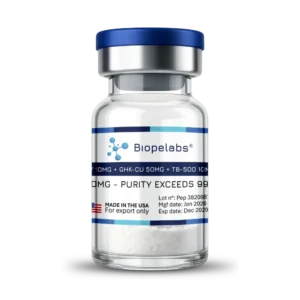
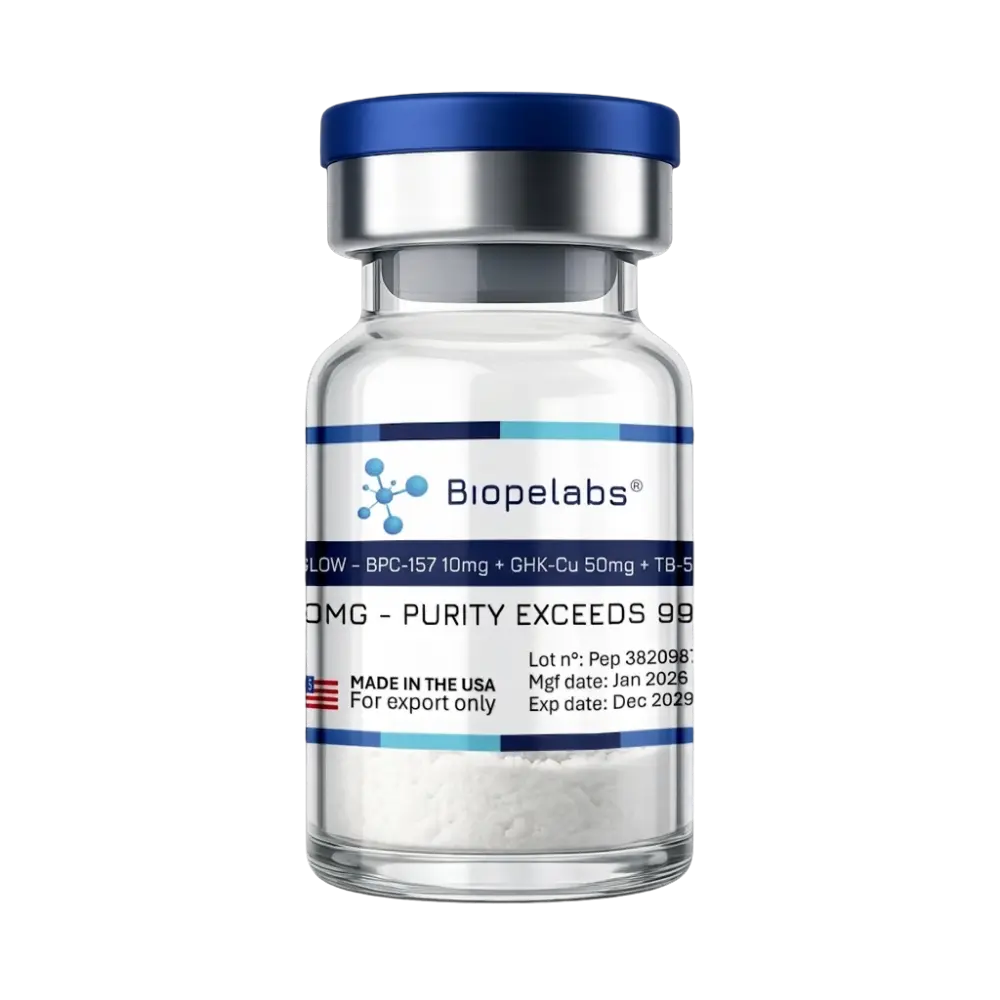
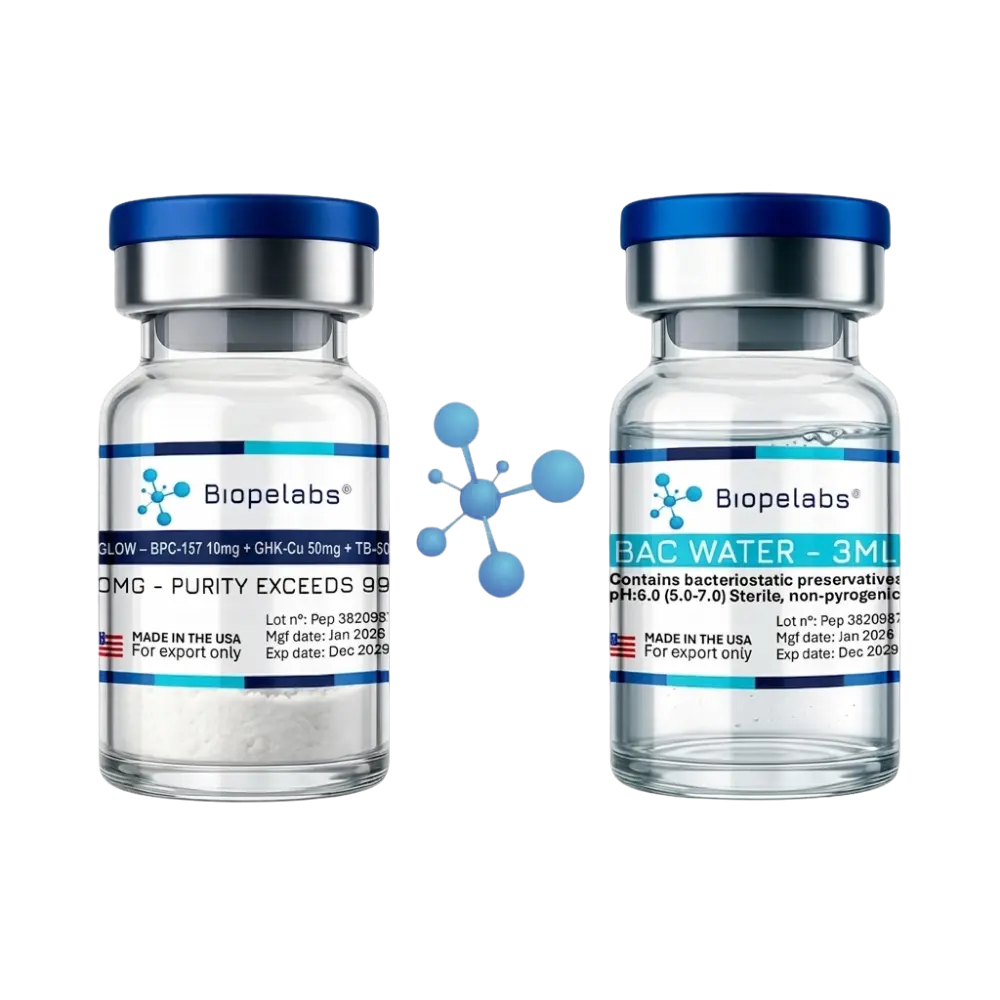
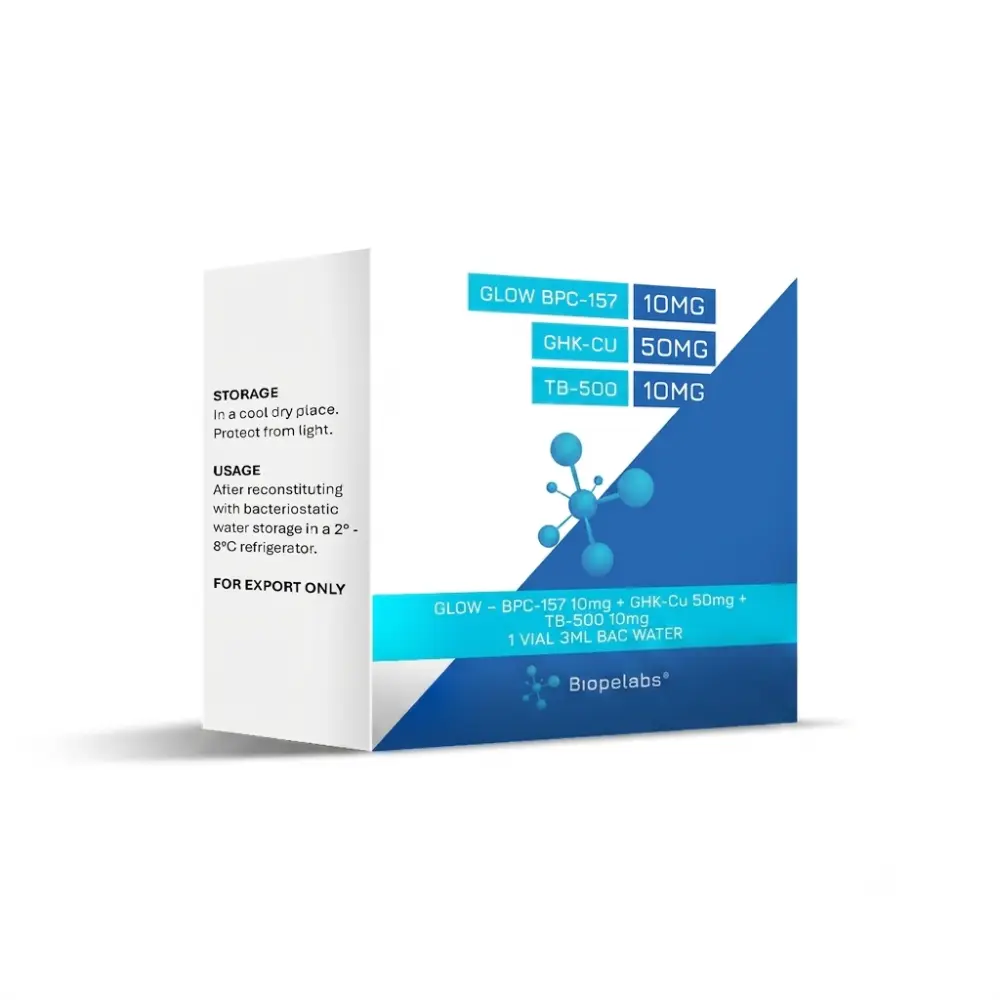
GLOW – BPC-157 10mg + GHK-Cu 50mg + TB-500 10mg

Dermal Repair / Combination for Deep Skin Regeneration

The GLOW blend consists of the experimental combination of BPC-157 (10mg), GHK-Cu (50mg), and TB-500 (10mg), formulated for scientific investigation into mechanisms related to dermal regeneration, angiogenesis, extracellular matrix remodeling, and cutaneous inflammatory modulation. This peptide combination is intended for preclinical studies involving wound healing, tissue integrity, and deep skin repair processes.

R$ 1.460,00

10 in stock

💡 Digite seu CEP para calcular automaticamente o frete e prazo de entrega

We accept USDT as our exclusive payment method, ensuring fast transactions, enhanced privacy, and efficient order processing.

Warning — For Research Use Only

Scientific content intended for research laboratories only. It is not a clinical, therapeutic, or diagnostic recommendation. Use is restricted to qualified professionals. Consult specialists before purchasing or using. Biopelabs reinforces its commitment to ethical and responsible use.
Discover Our Complete Catalog
Browse our full peptide catalog and explore additional compounds. Click any product to view its details and discover more research solutions.

Description

BPC-157 is a synthetic pentadecapeptide derived from a sequence isolated from human gastric juice, widely studied in experimental models for its cytoprotective, angiogenic, and inflammatory response-modulating potential. In a dermal context, it has been investigated for its possible ability to stimulate neovascularization, connective tissue reorganization, and modulation of factors such as VEGF and nitric oxide (NO), which are associated with endothelial integrity and tissue repair.

GHK-Cu (glycyl-L-histidyl-L-lysine complexed with copper) is an endogenous tripeptide naturally present in human plasma, saliva, and urine, with recognized relevance in dermatological studies. The form complexed with the copper ion (Cu²⁺) plays a significant role in activating extracellular matrix remodeling processes, stimulating collagen synthesis (types I and III), elastin, and glycosaminoglycans, as well as possibly modulating matrix metalloproteinases (MMPs). It is widely investigated in models of cutaneous wound healing and dermal regeneration.

TB-500, corresponding to the functional synthetic fragment of thymosin beta-4, is associated with the regulation of actin dynamics and cell migration. In experimental studies, it has demonstrated potential involvement in angiogenesis, inflammatory modulation, and acceleration of tissue repair, including epithelial and connective tissues.

The combination of these three peptides is proposed on an investigational basis as a multimodal approach aimed at deep dermal regeneration, acting simultaneously on angiogenic, inflammatory, and structural pathways of the extracellular matrix. The formulation remains classified as experimental and is intended exclusively for scientific research.

Important Information

Properties Value
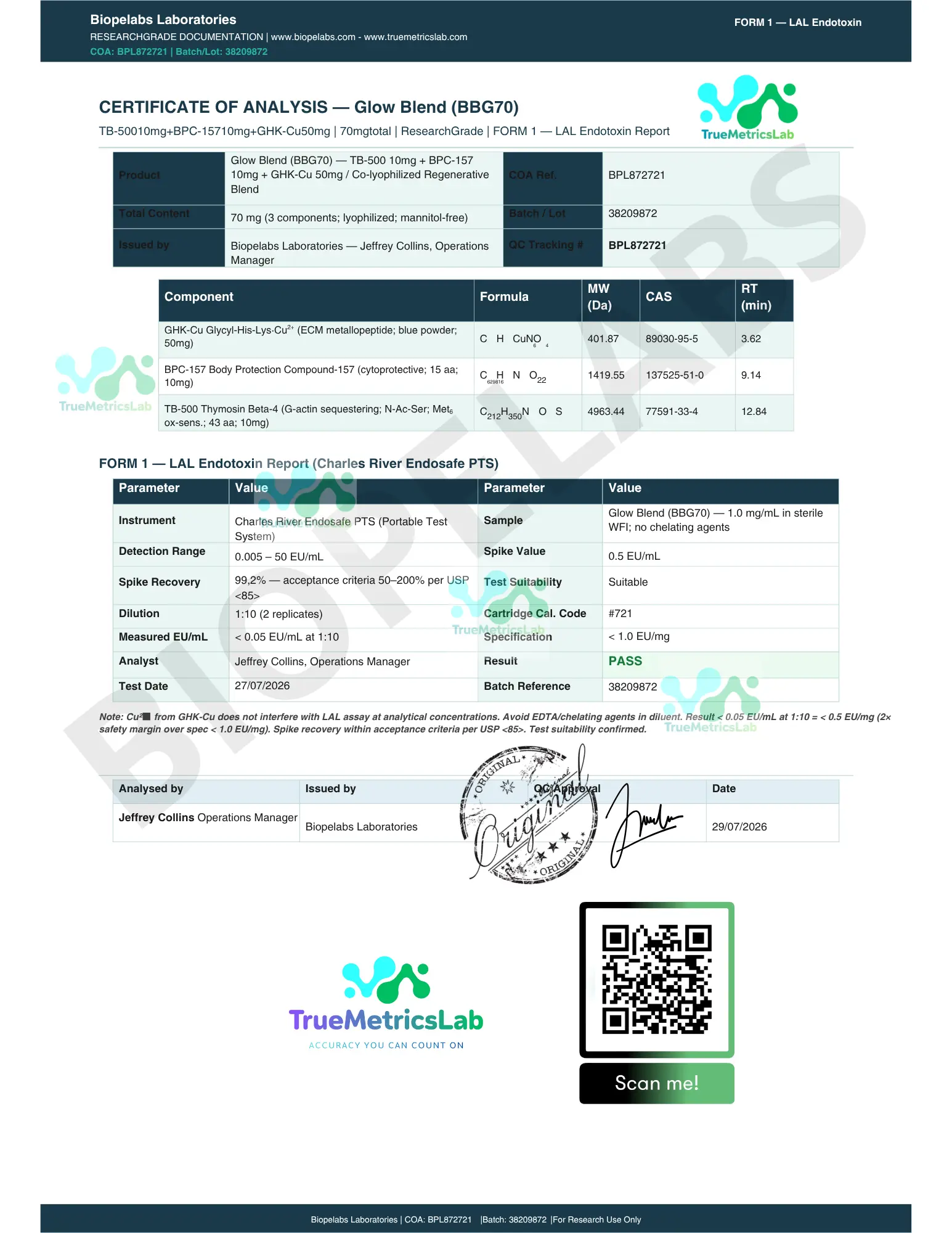
Molecular Formula BPC-157: C₆₂H₉₈N₁₆O₂₂
GHK-Cu: C₁₄H₂₄N₆O₄·Cu
TB-500 (active fragment of Thymosin Beta-4): C₂₁₂H₃₅₀N₅₆O₇₈S
Molecular Weight BPC-157: approximately 1419.6 g/mol
GHK-Cu: approximately 340.0 g/mol
TB-500: approximately 4963.5 g/mol
Synonyms BPC-157 is also referred to as Pentadecapeptide BPC, Body Protection Compound-157, PL-14736. GHK-Cu is known as Copper Tripeptide-1, Glycyl-L-histidyl-L-lysine copper, Copper Peptide GHK. TB-500 is referred to as synthetic Thymosin Beta-4, Thymosin Beta-4 active fragment, synthetic Tβ4.

Observed Scientific Findings
Preclinical studies with BPC-157 have demonstrated accelerated soft tissue repair, increased angiogenesis, and modulation of inflammatory mediators in animal models, including epithelial tissues.

Research involving GHK-Cu indicates stimulation of collagen synthesis, increased fibroblast activity, improved extracellular matrix reorganization, and a possible antioxidant effect. Experimental studies suggest improved wound healing quality, reduction of local inflammation, and modulation of gene expression related to tissue regeneration.

Investigations with Thymosin Beta-4 and its synthetic fragments have demonstrated increased cell migration, promotion of neovascularization, and support for cutaneous repair in animal models.

Despite promising findings from in vitro models and animal studies, controlled clinical data in humans remain limited. The proposed combination remains at an investigational stage, with no regulatory approval for an established therapeutic use, and is intended exclusively for scientific research.

Lyophilized Peptides
The peptides undergo a lyophilization process, a technique that contributes to greater stability and durability, while maintaining purity and molecular structure during storage. It should be noted that no bulking agents are used during this process.

Intended Use
Biopelabs warns: this material is provided exclusively as a chemical input for research. Its use is restricted to in vitro assays and experimental activities in laboratory settings. The information presented is strictly for informational and educational purposes. Handling must be performed only by properly qualified professionals. The product is not classified as a medication, food, or cosmetic, and should not be used, marketed, or described as such.

Research

GLOW blend, a high-potency combination focused on systemic regeneration, extracellular matrix (ECM) remodeling, and soft tissue repair.

Scientific Research on GLOW BPC-157 10mg + GHK-Cu 50mg + TB-500 10mg
The GLOW blend integrates three of the most potent peptides in experimental regenerative medicine. BPC-157 (Gastric Pentadecapeptide) acts as a cytoprotective and angiogenic agent; GHK-Cu (Copper Peptide) focuses on tissue remodeling and collagen synthesis; and TB-500 (active fraction of Thymosin Beta-4) promotes cell migration and repair of muscle and tendon fibers. The high concentration of GHK-Cu (50mg) suggests an intense focus on dermal and systemic regeneration.

Mechanism of Action and Inhibition
The synergy of this blend occurs through parallel and convergent repair pathways:

  • BPC-157: Activates the nitric oxide pathway and modulates VEGF (Vascular Endothelial Growth Factor) expression, promoting the formation of new blood vessels (angiogenesis) and tendon repair via fibroblast activation.
  • GHK-Cu: Acts as a copper carrier, modulating the activity of matrix metalloproteinases (MMPs) and MMP inhibitors, which allows for extracellular matrix remodeling and the removal of damaged scar tissue.
  • TB-500: Binds to G-actin, facilitating actin polymerization and cell motility. This allows repair cells to migrate more quickly to the site of injury.
  • Inhibition: Activity is regulated by tissue proteases. Excess free copper (if GHK dissociates) can be inhibited by metallothioneins.

Metabolic Impacts Already Scientifically Investigated

  1. Collagen and Elastin Synthesis: Massive stimulation of the production of structural components of the dermis and connective tissues.
  2. Inflammatory Modulation: BPC-157 and GHK-Cu act by reducing pro-inflammatory cytokines (such as TNF-α and IL-6), accelerating the transition from the inflammatory phase to the proliferative phase of wound healing.
  3. Hair and Epithelial Health: GHK-Cu stimulates hair follicle size and keratinocyte proliferation.

Investigation in Oncological Models
The GLOW blend presents a complex relationship with oncology:

  • Angiogenesis: As BPC-157 and TB-500 are potent promoters of angiogenesis, there is academic caution in solid tumor models, as new blood vessels could theoretically fuel the tumor mass.
  • GHK-Cu Anti-Metastatic Studies: Paradoxically, GHK-Cu has been investigated for its ability to "revert" gene signatures of cancer cells to a healthier state in certain lineages, although the systemic use of the blend in oncology remains strictly experimental and cautious.

Specific Action of the GLOW Blend
The specific action of this blend is Accelerated Multitissue Regeneration. It combines "local repair" signaling (BPC-157), "support cell migration" (TB-500), and "matrix restructuring" (GHK-Cu). This triad is particularly effective in reversing chronic damage in tissues with low vascularization (such as tendons and ligaments) and in deep skin revitalization.

Pharmacokinetic Considerations in Research

  • Stability: GHK-Cu is stable, but BPC-157 and TB-500 are sensitive to heat and agitation after reconstitution.
  • Bioavailability: Administered almost exclusively via subcutaneous routes in research settings to maximize systemic absorption, although BPC-157 maintains remarkable gastric stability.
  • Half-life: TB-500 has a long half-life (days), allowing for less frequent administration, while BPC-157 and GHK-Cu are processed more rapidly (hours).

Other Important Research-Related Considerations
The relationship between Copper (Cu²⁺) and GHK is the focal point. The 50mg dosage of GHK-Cu requires attention to the body's mineral homeostasis. Research suggests that the efficacy of the blend is potentiated in the presence of adequate levels of Vitamin C and Zinc, which act as cofactors in collagen synthesis.

Final Considerations
The GLOW blend represents the pinnacle of modern regenerative combinations. Its ability to act on both physical structure (collagen) and cellular mechanics (migration and angiogenesis) makes it an unparalleled research tool for the study of tissue longevity and accelerated recovery from musculoskeletal trauma.


References
  • Pickart, L., & Margolina, A. (2025). Regenerative and Protective Actions of the GHK-Cu Peptide in the Light of the New Gene Data. International Journal of Molecular Sciences, 26.
  • Seiwerth, S., et al. (2024). BPC 157 and Standard Angiogenic Factors. Current Pharmaceutical Design, 30.
  • Kleinman, H. Y., & Sosne, G. (2023). Thymosin beta 4: Cell migration and regenerative properties. Vitamins and Hormones, 121.

COAs

LAL Endotoxin Test Report

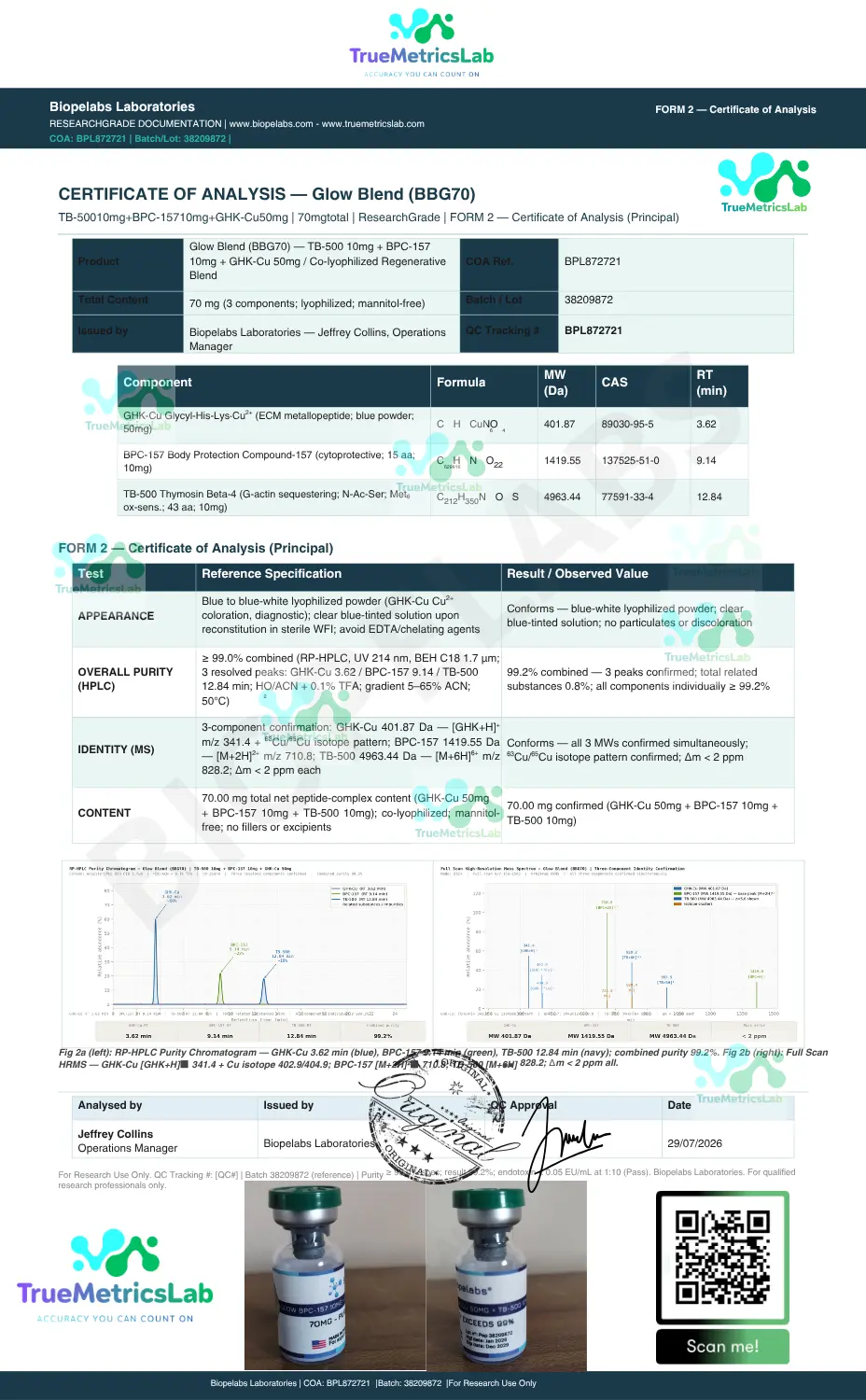
Certificate of Analysis (Including Product Images)

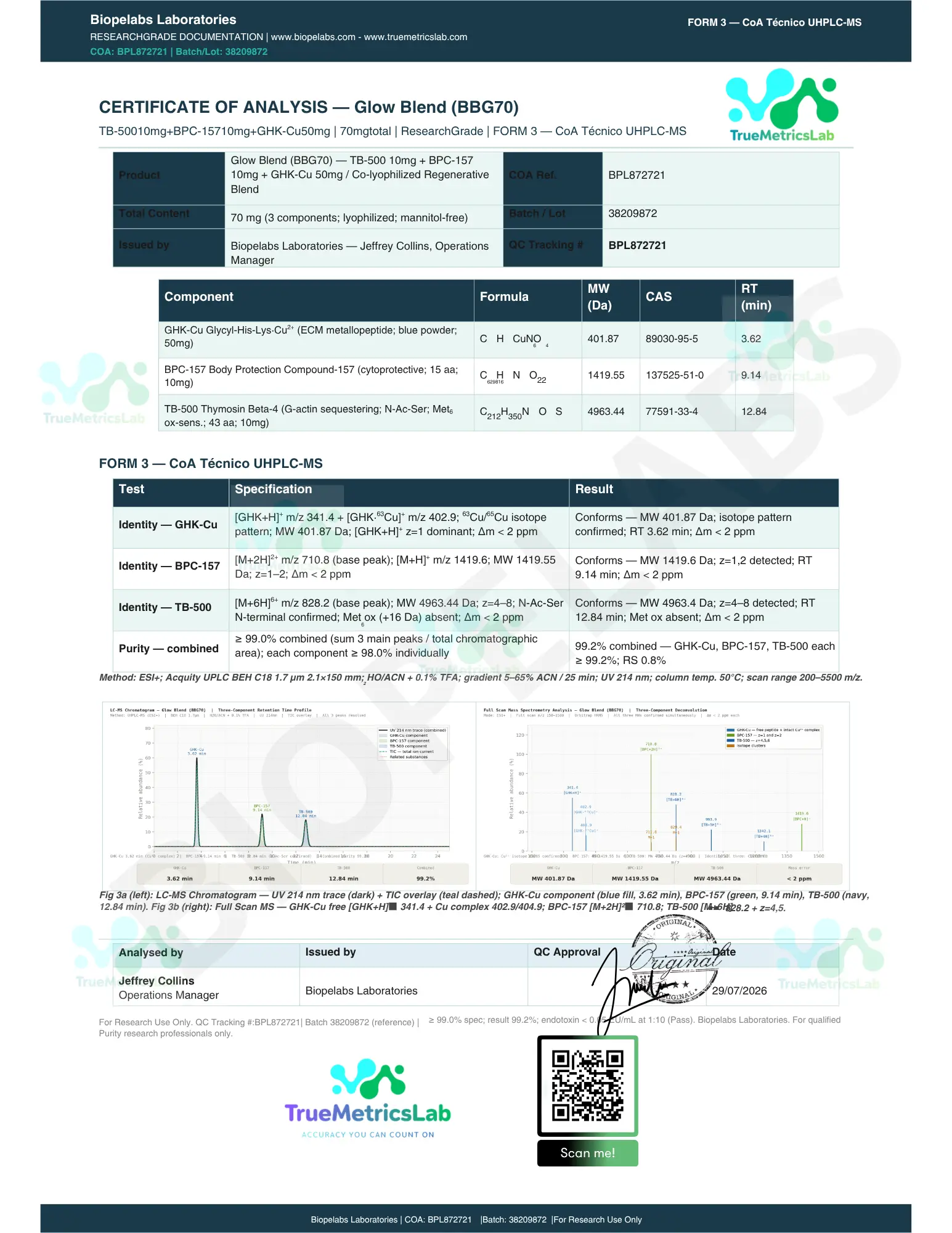
Certificate of Analysis (General / Physicochemical)

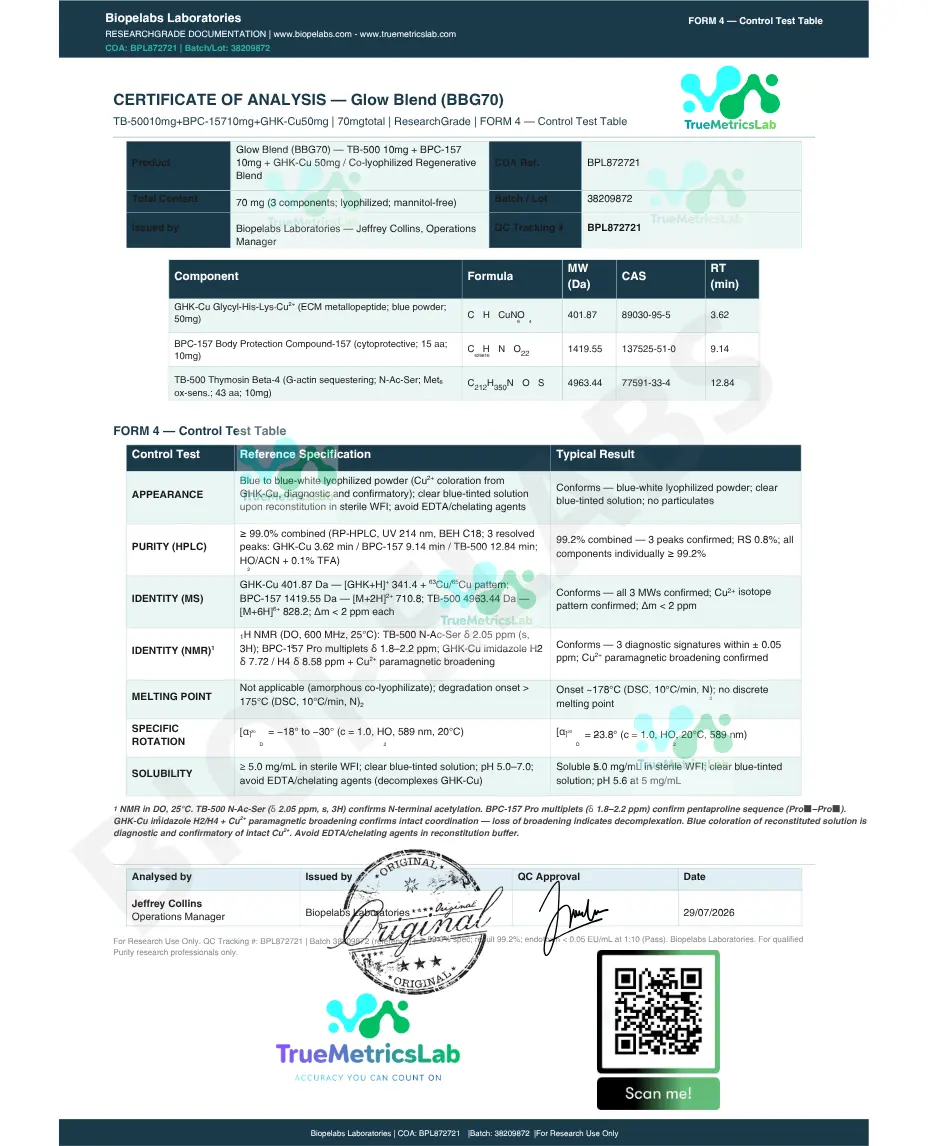
Certificate of Analysis (Analytical Method Details) ✅

Reviews

There are no reviews yet.

Only logged in customers who have purchased this product may leave a review.

Additional information

Weight 40 g
Dimensions 7 × 3,6 × 8 cm

Disclaimer: The products offered by BiopeLabs are intended for research and laboratory use only. They are not approved for human consumption, therapeutic, diagnostic, or veterinary use. By purchasing from our website, you acknowledge that you are a qualified researcher or purchasing on behalf of a legitimate research institution and agree to use these products in accordance with all applicable laws and regulations.

Peptides Catalog

1: 5-Amino-1MQ 10mg
2: 5-Amino-1MQ 50mg
3: ACE-031 1mg
4: ACTH 1-39 5mg
5: Adamax 5mg
6: Adamax 10mg
7: AHK-Cu 50mg
8: AICAR 50mg
9: AICAR 100mg
10: AOD-9604 5mg
11: AOD-9604 10mg
12: Alprostadil 20mcg
13: Amylin 5mg
14: Angiotensin (1–7) 5mg
15: ARA-290 10mg
16: Bimagrumab 5mg
17: Botulinum Toxin 100IU
18: BPC-157 10mg
19: BPC-157 20mg
20: BPC-157 5mg + TB-500 5mg
21: BPC-157 10mg + TB-500 10mg
22: Bronchogen 20mg
23: Cagrilintide 10mg
24: Cagrilintide 20mg
25: Cardiogen 20mg
26: Cartalax 20mg
27: CBL-514 10mg
28: CBL-514 20mg
29: CBL-514 30mg
30: Cerebrolysin 60mg
31: Cerlankin 2mg
32: CGRP (Calcitonin Gene-Related Peptide) 1mg
33: CJC-1295 with DAC 5mg
34: CJC-1295 with DAC 10mg
35: CJC-1295 with DAC 5mg + Ipamorelin 5mg
36: CJC-1295 without DAC 5mg
37: CJC-1295 without DAC 10mg
38: CJC-1295 without DAC 5mg + Ipamorelin 5mg
39: Chonluten 20mg
40: Cortagen 20mg
41: Crystagen 20mg
42: CT-1 Cardiotrophin-1 5mg
43: Dermorphin 5mg
44: Dihexa 5mg
45: DSIP 5mg
46: Dulaglutide 5mg
47: Elabela Apelin 5mg
48: Enfuvirtide 90mg
49: Epithalon 5mg
50: Epithalon 40mg
51: Epithalon 50mg
52: EPO 3000IU
53: FGF21 10mg
54: Follistatin-344 1mg
55: FOXO4 10mg
56: GHK-Cu 50mg
57: GHK-Cu 100mg
58: Ghrelin 10mg
59: GHRP-2 5mg
60: GHRP-6 5mg
61: Glucagon 1mg
62: Glutathione 1500mg
63: Gonadorelin Acetate 2mg
64: Goserelin 10mg
65: GLOW BPC-157 10mg + GHK-Cu 50mg + TB-500 10mg
66: HGH 191AA 15IU
67: HGH 191AA 36IU
68: HGH Fragment 176-191 10mg
69: HGH Fragment 176-191 15mg
70: HMG (Human Menopausal Gonadotropin) 75IU
71: Humanin 10mg
72: Hyaluronic Acid 5mg
73: Hexarelin Acetate 2mg
74: Hexarelin Acetate 5mg
75: IGF-1 LR3 1mg
76: Ipamorelin 5mg
77: Ipamorelin 10mg
78: Kisspeptin-10 5mg
79: Kisspeptin-10 10mg
80: KLOW BPC-157 10mg + GHK-Cu 50mg + TB-500 10mg + KPV 10mg
81: KPV 10mg
82: Leuprolide Acetate 10mg
83: Liraglutide 5mg
84: Livagen 20mg
85: LL-37 5mg
86: Lysyl Oxidase 30mg
87: Matrixyl 10mg
88: Mazdutide 10mg
89: Melanotan I 10mg
90: Melanotan II 10mg
91: Melatonin 10mg
92: MGF 2mg
93: MOTS-c 10mg
94: MOTS-c 40mg
95: NAD+ 100mg
96: NAD+ 500mg
97: NAD+ 1000mg
98: Nesiritide 5mg
99: Neuropeptide Y (NPY) 10mg
100: Ovagen 20mg
101: Oxytocin Acetate 5mg
102: Oxytocin Acetate 10mg
103: P21 5mg
104: P21 10mg
105: PACAP 5mg
106: Pancragen 20mg
107: PE 22-28 10mg
108: PEG-MGF 2mg
109: Pinealon 5mg
110: Pinealon 10mg
111: Pinealon 20mg
112: PNC-27 5mg
113: PNC-27 10mg
114: Prostamax 20mg
115: PT-141 10mg
116: PTH Fragments 10mg
117: Relamorelin 5mg
118: Retatrutide 10mg
119: Retatrutide 20mg
120: Retatrutide 30mg
121: Retatrutide 40mg
122: Retatrutide 60mg
123: Retatrutide 5mg + Cagrilintide 5mg
124: Selank 5mg
125: Selank 10mg
126: Semaglutide 5mg + Cagrilintide 5mg
127: Semax 5mg
128: Semax 10mg
129: Sermorelin 5mg
130: Sermorelin 10mg
131: SLU-PP-332 10mg
132: SNAP-8 10mg
133: SS-31 10mg
134: SS-31 50mg
135: Survodutide 10mg
136: TB-500 5mg
137: TB-500 10mg
138: TB-500 (FRAG) 10mg
139: Teduglutide 5mg
140: Teriparatide 10mg
141: Tesamorelin 5mg
142: Tesamorelin 10mg
143: Tesamorelin 20mg
144: Tesamorelin 5mg
145: Tesofensine 1mg
146: Testagen 20mg
147: Thymalin 10mg
148: Thymosin Alpha-1 5mg
149: Thymosin Alpha-1 10mg
150: Treprostinil 5mg
151: Vesugen 20mg
152: VIP 5mg
153: VIP 10mg
154: Vilon 20mg

Fill out the form