Helps tissue repair / promotes cell migration and wound healing
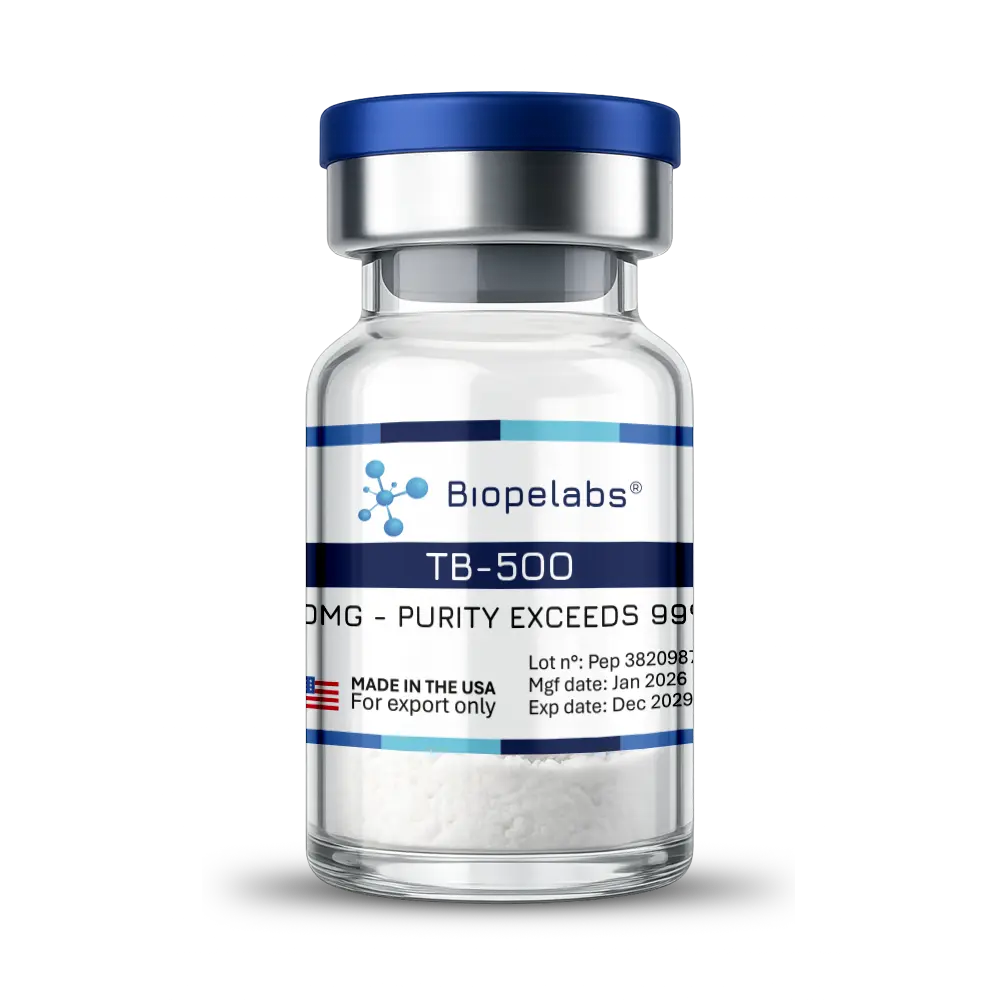
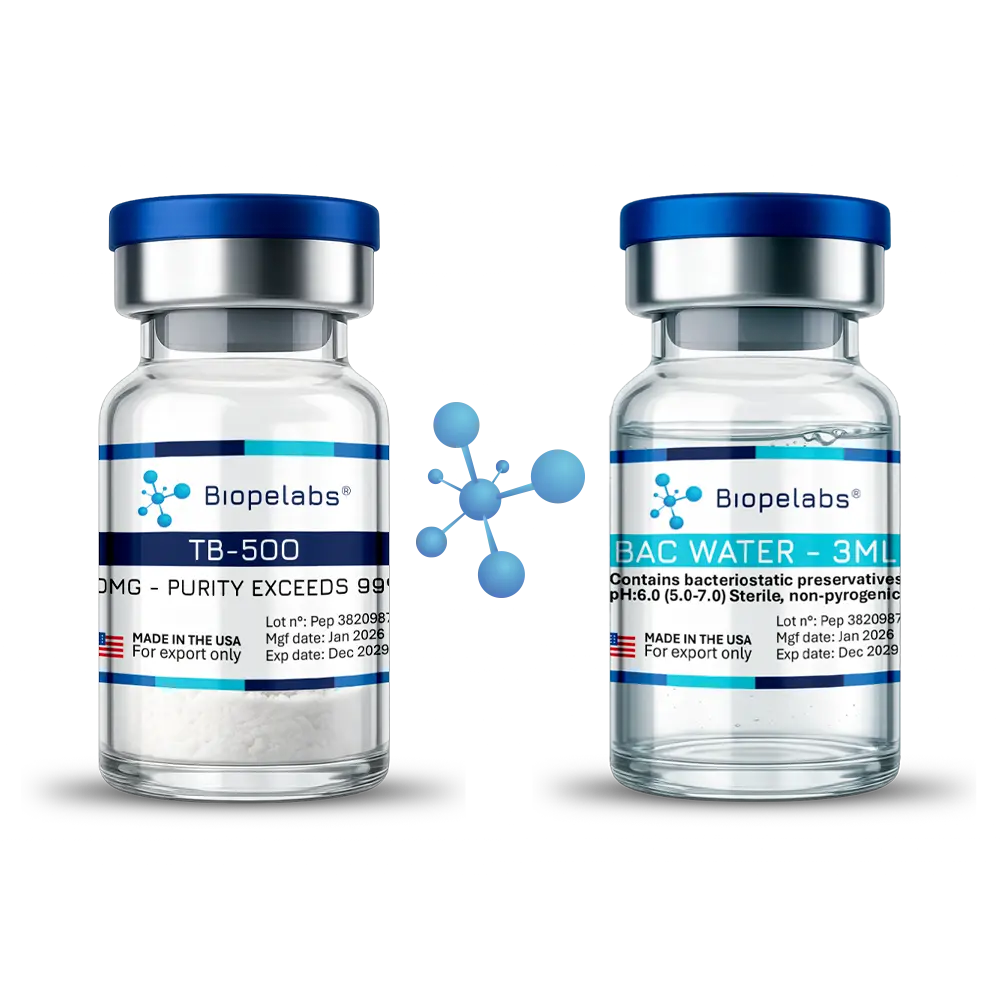
TB‑500 is a synthetic peptide derived from the active site of the naturally occurring peptide thymosin beta‑4 (Tβ4), specifically from the sequence LKKTETQ, with artificial acetylation at the N‑terminus.
R$ 798,00
148 in stock
💡 Digite seu CEP para calcular automaticamente o frete e prazo de entrega
We accept USDT as our exclusive payment method, ensuring fast transactions, enhanced privacy, and efficient order processing.
Warning — For Research Use Only
Scientific content intended for research laboratories only. It is not a clinical, therapeutic, or diagnostic recommendation. Use is restricted to qualified professionals. Consult specialists before purchasing or using. Biopelabs reinforces its commitment to ethical and responsible use.
Discover Our Complete Catalog
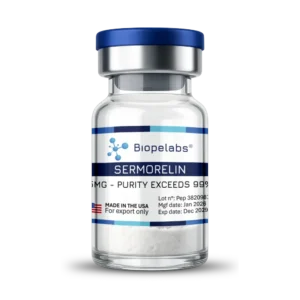
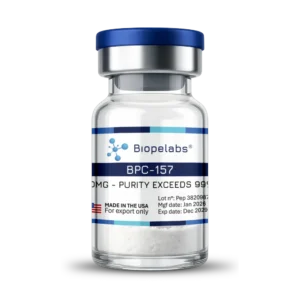
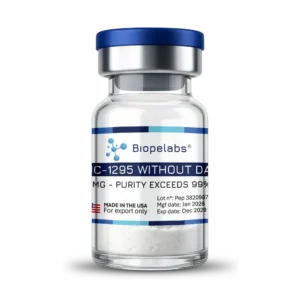
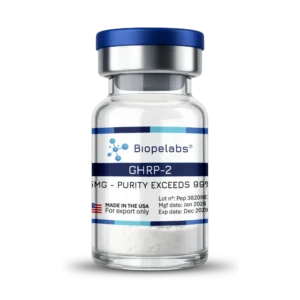
Browse our full peptide catalog and explore additional compounds. Click any product to view its details and discover more research solutions.
TB‑500 is a synthetic analog of thymosin beta‑4, a 43‑amino‑acid peptide present in virtually all mammalian cells. Thymosin beta‑4 functions as a multifunctional regulatory peptide containing distinct bioactive regions within its structure: the N‑terminal tetrapeptide (Ac‑SDKP) mediates anti‑inflammatory and antifibrotic activities; amino acids 1–15 inhibit apoptosis and promote cell survival; while the central actin‑binding domain (amino acids 17–23, containing LKKTET) drives angiogenesis, cell migration, and wound healing.
Peptides undergo a lyophilization process, a technique that contributes to greater stability and extended shelf life, while preserving purity and molecular structure during storage. It is important to note that no fillers are used during this procedure.
Intended Use
Biopelabs states: this material is provided exclusively as a chemical input for research purposes. Its use is restricted to in vitro assays and experimental activities in laboratory environments. The information presented is strictly for informational and educational purposes. Handling must be carried out only by properly qualified professionals. This product is not classified as a medication, food, or cosmetic, and must not be used, marketed, or described as such.
Research
Scientific Research on the TB‑500 Peptide (Thymosin Beta‑4)
Thymosin Beta‑4 (TB‑500) is a widely studied peptide in the scientific literature due to its involvement in cellular regeneration, inflammatory modulation, and tissue repair. Experimental studies indicate its potential across multiple research areas, including cardiovascular health, ocular integrity, liver function, neural regeneration, and strategies related to biological aging.
Tissue Repair and Cellular Regeneration
TB‑500 participates in several biological mechanisms essential for tissue recovery.
It stimulates cell migration, promotes formation of new blood vessels, supports cell survival, and aids in the maturation of stem cells, all of which are critical for efficient wound healing and structural regeneration.
The peptide also modulates the inflammatory response, reducing the expression of inflammatory mediators and helping to resolve inflammation through regulatory cellular processes such as autophagy.
In the cardiovascular context, preclinical studies suggest that TB‑500 can support recovery of myocardial tissue after ischemic events.
It promotes activation of resident progenitor cells, increases cardiomyocyte resilience, and improves cardiac function, mainly by supporting coronary neovascularization and controlling local inflammation.
In the central nervous system, TB‑500 has been associated with the regulation of neurogenesis and neural‑tissue repair.
Its angiogenic, anti‑inflammatory, and anti‑apoptotic effects make it an object of interest in studies on neurological injuries and brain trauma.
Regenerative effects of TB‑500 have also been observed in other organs, such as kidney, liver, and intestine, where the peptide contributes to the preservation of tissue integrity and the recovery of injured areas.
Cardiovascular Research
In cardiovascular research, TB‑500 is being investigated for its ability to enhance cell‑based therapies, particularly in ischemic settings.
Experimental evidence shows that the peptide promotes angiogenesis and cell migration, two key processes for restoring tissues with impaired blood flow.
In animal models, the combination of TB‑500 with stem cells has resulted in improved blood perfusion and reduced tissue loss, reinforcing its interest as an adjunctive agent in experimental cardiovascular regeneration protocols.
Anti‑aging and Organ Regeneration Research
TB‑500 has also attracted attention in studies related to biological aging.
Research indicates that the peptide promotes cell survival, particularly in cardiac tissue, and supports functional recovery after injury.
Its ability to reactivate pathways associated with embryonic development and to stimulate vascularization suggests a potential role in experimental strategies aimed at reversing age‑related damage and sustaining organ function over time.
Liver Disease and Ferroptosis
Recent studies have explored the role of thymosin beta‑4 in non‑alcoholic fatty liver disease (NAFLD).
In experimental models, TB‑500 has shown potential by inhibiting ferroptosis, a specific form of cell death associated with oxidative stress.
Results indicate improvements in hepatic inflammation, regulation of lipid metabolism, increased antioxidant defenses, and reduced accumulation of reactive oxygen species, suggesting that TB‑500 may represent an innovative research approach to liver health, particularly via enzymes such as GPX4.
Ocular Health and Bacterial Keratitis
In experimental ophthalmology, TB‑500 has been studied as a complementary therapy in bacterial keratitis, a severe inflammatory condition of the cornea.
Evidence suggests that the peptide helps reduce inflammation and accelerates corneal healing.
Studies also indicate that TB‑500 may enhance the efficacy of antibiotics such as ciprofloxacin, contributing to better experimental outcomes in ocular‑infection models.
References
Philp, D., & Kleinman, H. (2010). Studies in animal models with thymosin β4, a multifunctional peptide for tissue repair and regeneration. Annals of the New York Academy of Sciences, 1194.
Renga, G., et al. (2018). Thymosin β4 limits inflammation via autophagy. Expert Opinion on Biological Therapy, 18, 171–175.
Bjorklund, G., et al. (2019). Thymosin β4: a multifaceted protein that stimulates tissue repair in cardiac injury. Current Medicinal Chemistry.
Zhang, G., et al. (2020). Protective effects of Tβ4 in central nervous system tissues and developmental perspectives. European Journal of Inflammation, 18.
Gao, J., et al. (2022). Thymosin β4 and actin: binding modes, biological functions, and clinical applications. Current Protein & Peptide Science.
Kim, J., et al. (2020). Abstract 469: Thymosin Beta4 increasing the therapeutic efficacy of human adipose‑derived stem cells in a mouse ischemic limb model. Circulation Research.
Bock‑Marquette, I., et al. (2023). Thymosin beta‑4 points to new directions for successful anti‑aging regenerative therapies. International Immunopharmacology, 116, 109741.
Zhu, Z., et al. (2021). Thymosin beta‑4 alleviates non‑alcoholic fatty liver disease by inhibiting ferroptosis via upregulation of GPX4. European Journal of Pharmacology, 174351.
Sosne, G., & Berger, E. (2023). Thymosin beta‑4: a possible innovative adjunctive treatment for bacterial keratitis. International Immunopharmacology, 118, 109953.
Scientific Reviewer
The content was reviewed by Dr. Ky H. Le, MD. Dr. Ky H. Le is a family physician in Aiea, Hawaii. He received his medical degree from St. George’s University School of Medicine and has practiced for over 20 years. He has expertise in the treatment of obesity, diabetes, hypertension, and high blood pressure, among other conditions. Dr. Ky H. Le accepts Medicare, Aetna, Humana, Blue Cross, and United Healthcare.
Disclaimer: The products offered by BiopeLabs are intended for research and laboratory use only. They are not approved for human consumption, therapeutic, diagnostic, or veterinary use. By purchasing from our website, you acknowledge that you are a qualified researcher or purchasing on behalf of a legitimate research institution and agree to use these products in accordance with all applicable laws and regulations.




Reviews
There are no reviews yet.