
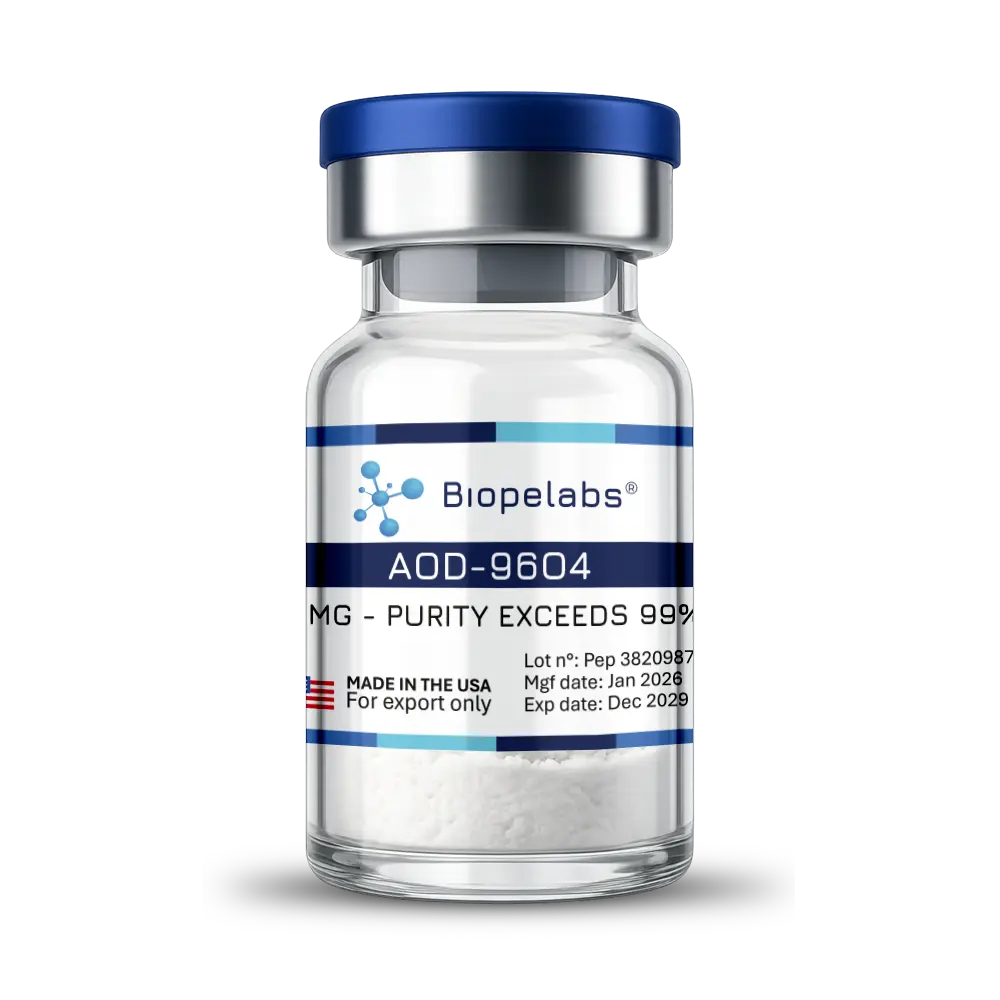
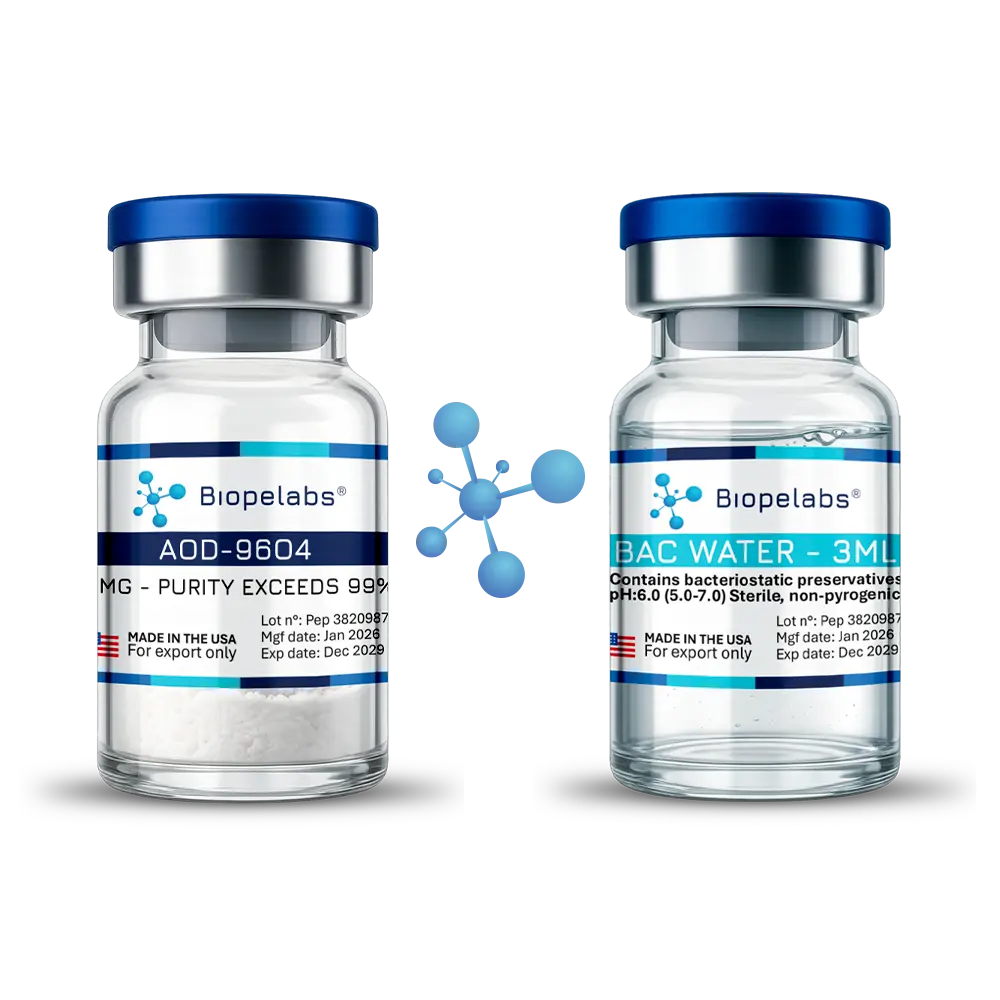
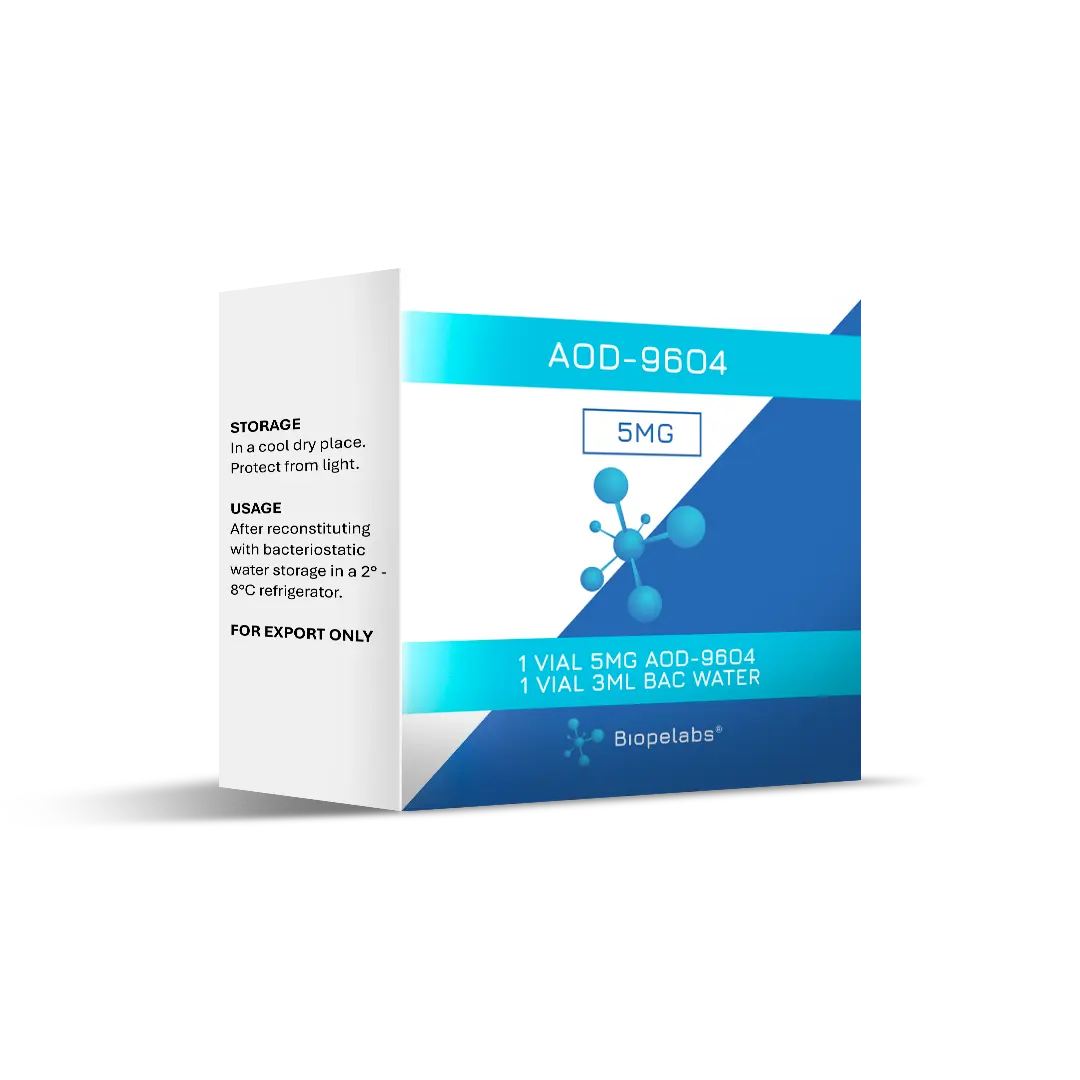


AOD-9604 corresponds to a specific fragment of the growth hormone (amino acids 176–191), developed to investigate the metabolic effects of hGH without directly activating pathways related to cellular growth. In experimental and in vitro models, this peptide has been used to analyze fat breakdown processes, regulation of energy metabolism, and cellular signaling associated with adipose tissue.
Due to its lack of significant mitogenic activity, AOD-9604 is considered a compound of scientific interest for studies focused on metabolic pathways, lipolysis, and energy homeostasis. The product is supplied in lyophilized form, ensuring stability, structural integrity, and proper preservation for use in controlled laboratory environments.
| Properties | Value |
| Molecular Formula | C₇₈H₁₂₃N₂₃O₂₁ |
| Molecular Weight | 1,813.9 g/mol |
| Synonyms | AOD-9604, hGH Fragment 176–191, Growth Hormone Fragment 176–191, GH-176-191 |
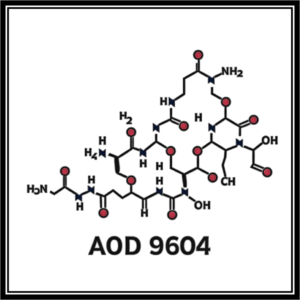
Source: científico
The peptides undergo a lyophilization process, a technique that enhances stability and shelf life while preserving purity and molecular structure during storage. It is important to note that no fillers are used during this procedure.
Biopelabs advises: this material is provided exclusively as a chemical input for research purposes. Its use is restricted to in vitro assays and experimental activities in laboratory environments. The information presented is strictly for informational and educational purposes. Handling must be carried out only by properly qualified professionals. This product is not classified as a medication, food, or cosmetic and must not be used, marketed, or described as such.
AOD-9604 is a synthetic peptide derived from the C-terminal fragment of human growth hormone (hGH), corresponding to residues 176–191. It was originally developed to preserve the lipolytic effects of hGH while avoiding the unwanted mitogenic and metabolic effects associated with elevated IGF-1 levels.
Due to this selective characteristic, AOD-9604 has attracted interest as an experimental tool in studies focused on obesity, lipid metabolism, and, more recently, regenerative applications.
Metabolic Context and Scientific Rationale
Obesity represents one of the greatest global public health challenges, being strongly associated with type 2 diabetes, cardiovascular diseases, musculoskeletal disorders, and reduced longevity. Although pharmacological therapies have advanced, limitations related to safety, tolerability, and sustained efficacy remain.
In this context, bioactive peptides such as AOD-9604 emerge as promising experimental alternatives due to their specificity of action and favorable safety profile in preclinical and early clinical models.
Proposed Mechanism of Action
AOD-9604 was designed to mimic the lipolytic region of hGH, acting primarily on fat metabolism. Its main effects include:
• Stimulation of lipolysis (fat breakdown)
• Inhibition of lipogenesis (fat formation)
• Lack of significant activation of the IGF-1 pathway
Experimental studies indicate that its action occurs, at least in part, through activation of β3-adrenergic receptors in adipocytes, promoting increased lipid oxidation and energy expenditure. Animal models deficient in these receptors show a diminished response, reinforcing the specificity of the mechanism.
Preclinical Evidence
In obese rodent models, administration of AOD-9604 resulted in:
• Significant reduction in body weight gain
• Decrease in white adipose tissue mass
• Preservation of insulin sensitivity
Unlike full-length hGH, AOD-9604 did not induce insulin resistance or significant alterations in glycemic homeostasis.
Chronic toxicological studies in rodents and non-human primates did not identify genotoxic effects, significant organ toxicity, or stimulation of the IGF-1 axis. The compound demonstrated good tolerability even with prolonged exposure, supporting its preclinical safety profile.
Clinical Studies in Humans (Historical)
Phase I and II clinical trials evaluated AOD-9604 in approximately 900 participants, using different administration routes (oral, intravenous, and subcutaneous) and doses up to 1 mg/day.
Key findings include:
• No serious adverse events
• No detectable immunogenic response
• Stable glucose, insulin, and IGF-1 levels
• Preserved hormonal profile
A 12-week randomized, double-blind, placebo-controlled study demonstrated modest weight loss compared to placebo. However, subsequent studies did not confirm clinically relevant and sustained benefits, leading to the discontinuation of formal pharmaceutical development in 2007.
Experimental Reassessment at Higher Doses
In recent years, scientific interest in the dose–response curve of AOD-9604 has resurfaced. Experimental 5 mg formulations, currently provided by Biopelabs exclusively for research use, have been used as laboratory tools to re-explore its biological effects.
Characteristics of the Biopelabs research formulation:
• Strictly scientific and experimental use
• Lyophilized powder for reconstitution
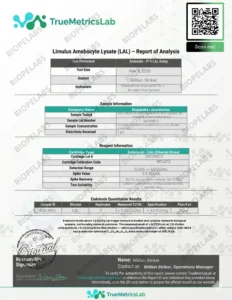
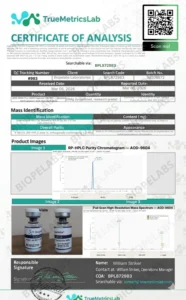
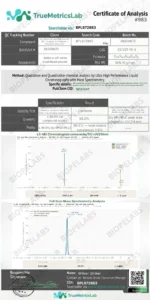
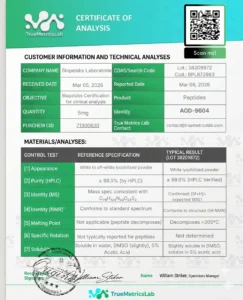
• Analytical purity ≥99%
• No therapeutic or clinical claims
It is important to note that doses above 1 mg/day have not been evaluated in human clinical trials, and their safety and efficacy remain unknown in this context.
Experimental Applications Beyond Metabolism
More recent research in animal models and in vitro studies suggests possible additional applications of AOD-9604, independent of its lipolytic action:
Cartilage Repair
• Increased synthesis of collagen and proteoglycans in chondrocytes
• Reduced cartilage degeneration in animal models
• Potential synergy with hyaluronic acid in intra-articular applications
Bone Differentiation
• Stimulation of mesenchymal stem cell differentiation into osteoblasts
• Potential interest in osteoporosis and bone regeneration studies
Experimental Oncology Research
• Preliminary studies indicate increased apoptotic signaling in tumor cells when used as part of combined delivery systems
• Still an exploratory area, with no defined clinical application
Ethical and Scientific Considerations
Despite a favorable safety history at lower doses, there are no clinical data validating the use of AOD-9604 at high doses in humans. Any extrapolation of efficacy or tolerability remains strictly hypothetical.
Responsible use of AOD-9604 should:
• Be restricted to controlled laboratory environments
• Comply with ethical and regulatory standards
• Prioritize mechanistic, pharmacodynamic, and dose-escalation studies
Final Considerations
AOD-9604 remains a compound of scientific interest due to its selective lipolytic mechanism and excellent historical safety profile at low doses. However, its clinical efficacy for weight loss has proven limited in studies conducted to date.
Higher-dose experimental formulations, such as those provided by Biopelabs, offer an opportunity to deepen the understanding of its biology, provided they are used exclusively for research and within rigorous protocols.
Future advances will depend on well-controlled studies evaluating safety, specific mechanisms in adipose tissue, and potential regenerative applications. Only with robust data will it be possible to reassess the translational potential of AOD-9604.
References
Heffernan et al. (2000). Effects of GH fragment 176–191 on adiposity in Zucker rats. Journal of Endocrinology.
AOD-9604 product page – Kimera Chems. Accessed August 2025.
Wikipedia contributors. AOD9604. Retrieved from Wikipedia.
Regulatory Review. FDA GRAS Notice for AOD-9604. Downloads.regulations.gov.
Elite Plastic Surgery peptide analysis. AOD-9604 cartilage effects. eliteplasticsurgeryaz.com.
Scientific Reviewer
This content was reviewed by Dr. Ky H. Le, MD. Dr. Ky H. Le is a family medicine physician in Aiea, Hawaii. He earned his medical degree from St. George’s University School of Medicine and has been practicing for over 20 years. He has expertise in treating obesity, diabetes, hypertension, and high blood pressure, among other conditions. Dr. Ky H. Le accepts Medicare, Aetna, Humana, Blue Cross, and United Healthcare.
Ref.: https://health.usnews.com/doctors/ky-le-371599#expertise
Only logged in customers who have purchased this product may leave a review.
| Weight | 40 g |
|---|---|
| Dimensions | 7 × 3,6 × 8 cm |

Reviews
There are no reviews yet.